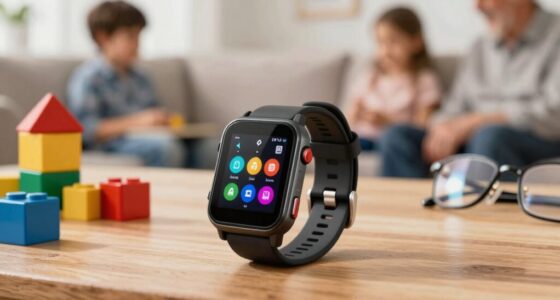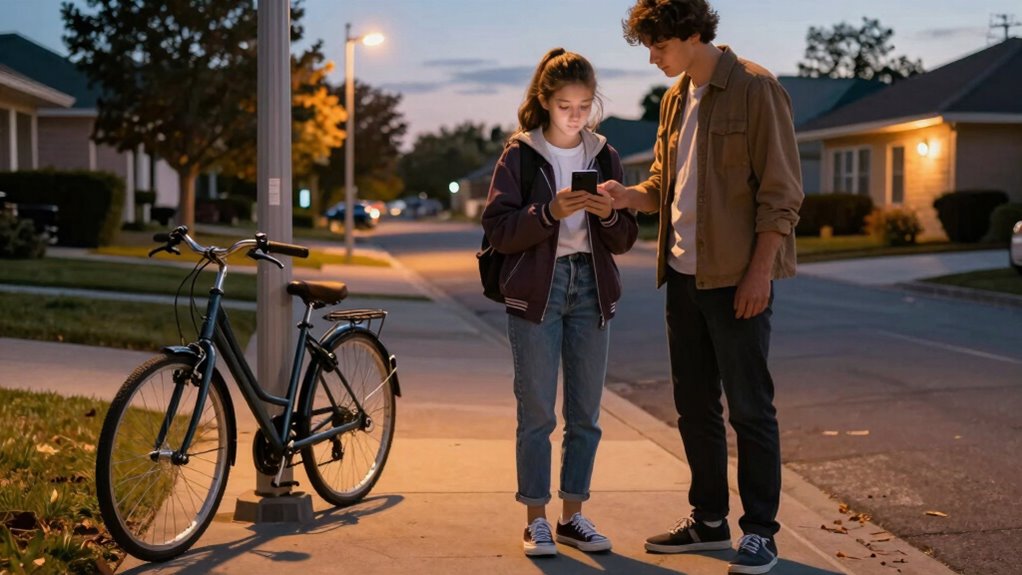
Before your teen heads out at night, you should set clear boundaries like curfew times based on safety and trust, and discuss acceptable activities and transportation options. Talk openly about handling changing plans or uncomfortable situations, ensuring they check in regularly. Use technology responsibly for communication, and make sure they know how to reach a trusted adult if needed. Establish safety expectations for transit and emergencies. Keep these plans in mind to help guide a safe, enjoyable night out—more tips await you.
Key Takeaways
- Establish and communicate clear curfew times based on safety and age considerations.
- Discuss and agree on acceptable activities, locations, and who they’ll be with.
- Set expectations for regular check-ins via calls or texts during their outing.
- Determine transportation methods, safety protocols, and responsible behavior during transit.
- Prepare a safety plan for emergencies, including how to handle uncomfortable or unsafe situations.
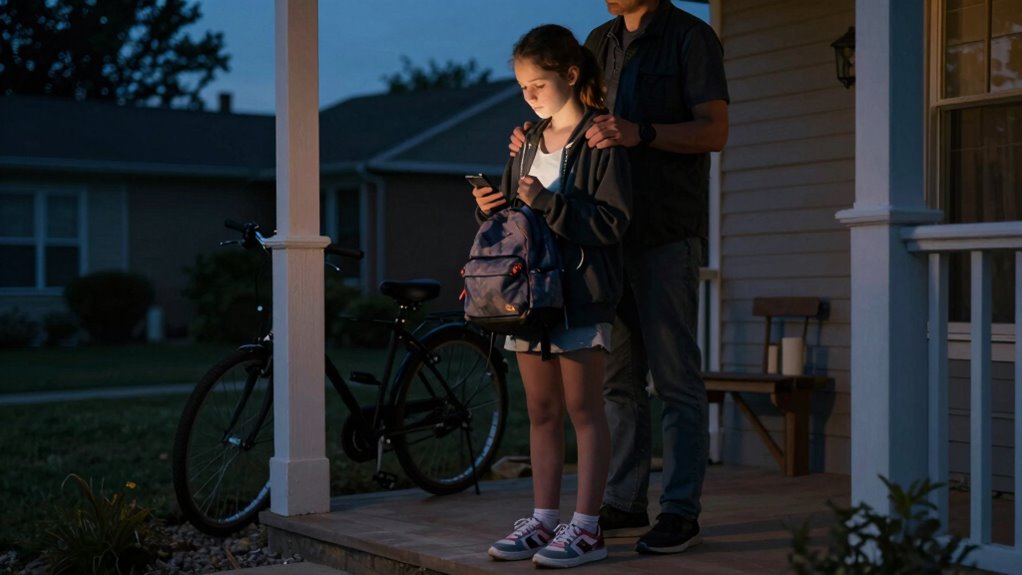
When your teen heads out at night, it’s natural to worry, but clear guidelines can help both of you feel more confident and prepared. Setting curfew boundaries is a crucial step. Decide on a specific time your teen should be home, considering their age, the type of outing, and safety factors. Be firm but flexible, allowing for occasional deviations if you trust the situation. Communicate these boundaries clearly, and make sure your teen understands that the curfew isn’t just a rule but a way to keep them safe. It’s also helpful to discuss what’s acceptable in terms of the length and nature of activities, whether they’re hanging out with friends, attending an event, or going to a movie.
Safety expectations are equally vital. Talk openly about how they should handle different situations, like if plans change unexpectedly or if they feel uncomfortable. Encourage your teen to share their whereabouts and check-in regularly, especially if they’re in unfamiliar places. Establishing a routine for updates, such as calling or texting at designated times, can ease your concerns and give your teen a sense of responsibility. Make sure they know they can reach you at any time if they face an emergency or need advice. Reinforce that their safety comes first, and they should trust their instincts—if something feels off, they should leave or seek help immediately. Using technology responsibly can also help in maintaining communication and safety. Understanding the role of communication tools in staying connected is an essential part of modern safety practices. Additionally, discussing home security measures can further reassure both you and your teen about their safety during outings. Incorporating safety plans can give both of you peace of mind and prepare your teen for unexpected situations. Remember, being aware of community safety resources can provide additional support if needed.
Deciding on transportation methods upfront is another key point. Will they be using public transit, a rideshare, or a designated driver? Clarify expectations around transportation, including punctuality and safety measures. If they’re driving, ensure they understand the importance of seat belts, avoiding distractions, and not driving under the influence. If they’re walking or biking, discuss safety precautions like staying in well-lit areas and avoiding shortcuts through unsafe neighborhoods. Taking these precautions can significantly reduce risk and help your teen develop responsible habits.

Joyreal AAC Device for Autism, Non Verbal Communication Tools for Speech Therapy & Stroke Rehab. Communication Tablet, Autism Talking Aids with 8 Programmable Buttons & Adjustable Volume
- Number of Talking Buttons: 37 pre-installed buttons for communication
- Voice Switch Options: Male and female voice toggle
- Programmable Buttons: 8 customizable voice recording buttons
As an affiliate, we earn on qualifying purchases.
As an affiliate, we earn on qualifying purchases.
Frequently Asked Questions
How Can I Trust My Teen to Stay Safe Without Constant Supervision?
You can trust your teen to stay safe by fostering teen independence through open communication and setting clear expectations. Use trust-building strategies like discussing safety plans and checking in without micromanaging. Encourage responsible decision-making and give them age-appropriate freedoms gradually. When you show confidence in their judgment and maintain honest conversations, you’ll build mutual trust, making it easier to let them enjoy outings while feeling assured of their safety.
What Should I Do if My Teen Refuses to Follow the Rules?
If your teen refuses to follow the rules, have an open conversation about their teen privacy and the importance of parental trust. Express your concerns calmly, listen to their perspective, and set clear boundaries together. Reinforce that trust is earned through responsible behavior, not strict control. If they continue to resist, consider revisiting the rules and involving them in creating mutually agreed-upon guidelines to foster respect and understanding.
How Do I Handle Peer Pressure Influencing My Teen’s Decisions?
When peer influence starts to sway your teen’s decision making, gently remind them of their values and the importance of staying true to themselves. Encourage open conversations about peer pressure, helping them recognize subtle influences. Empower your teen to stand firm and make confident choices, even when friends suggest otherwise. Your support helps them navigate peer influence wisely, fostering resilience and independence in their decision-making process.
When Is It Necessary to Set Stricter Curfews?
You should set stricter curfews when safety boundaries are at risk, like during late-night hours or in unfamiliar areas. If your teen’s activities involve high peer pressure or risky environments, tightening curfew flexibility helps protect them. Observe their maturity and responsibility levels, and adjust curfews accordingly. Clear boundaries reassure both you and your teen, ensuring they enjoy independence while staying safe and within acceptable limits.
How Can I Teach My Teen About Responsible Drinking or Substance Use?
You can teach your teen about responsible drinking or substance use by fostering open, responsible communication. Talk honestly about the risks and set clear boundaries to guide their choices. Encourage questions and listen without judgment, helping them understand the importance of moderation and making safe decisions. By establishing trust and boundaries, you empower your teen to handle peer pressure and make informed, responsible choices in real-life situations.

VyncsPro 4G No Monthly Fee 60 Seconds GPS, Live Map, Trip Replay, OBD GPS Tracker for Cars, Real Time GPS, 1 Year Data SIM, Teen Driving Alert Car Health Recall Fuel Report Activation Fee Reqd
- Real-Time GPS Tracking: 4G live map updates every 60 seconds
- Trip and Driving Alerts: Replay trips, speed, braking, and acceleration alerts
- Vehicle Diagnostics: OBD diagnostics, maintenance, recall, fuel reports
As an affiliate, we earn on qualifying purchases.
As an affiliate, we earn on qualifying purchases.
Conclusion
As you send your teen out into the night, remember that sometimes, the smallest decisions—like setting a curfew or sharing plans—can unexpectedly align with their safety. It’s as if the universe subtly reminds you that trust and communication create a safety net you both can rely on. In those quiet moments of coincidence, you realize that your guidance and their choices weave together, helping them navigate the night with confidence and care.

AUTODECO Car Roadside Emergency Kit, Portable Car Safety Kit Car Kits for Emergency, Black
- Portable & Compact Design: Fits in organizer bag for easy storage
- Fully Equipped for Emergencies: Includes essential tools and supplies
- Multi-Purpose Use: Suitable for winter, commuting, and trips
As an affiliate, we earn on qualifying purchases.
As an affiliate, we earn on qualifying purchases.
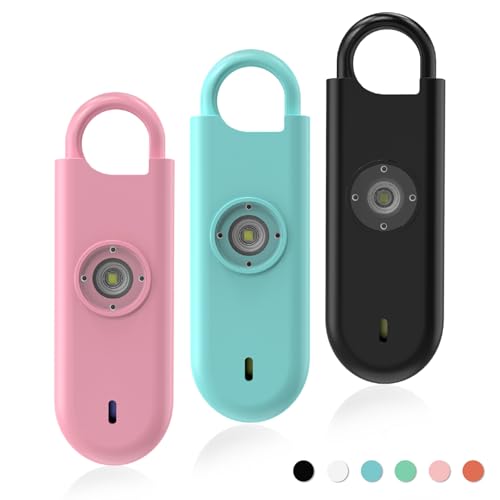
Fauxomor 140dB Personal Safety Alarm for Women 3pack Self Defense Keychain
- High-Decibel Siren: 140dB loud alarm to deter attackers
- Bright Strobe Light: High-intensity LED light for visibility
- Easy Activation: Pull pin to activate alarm and light
As an affiliate, we earn on qualifying purchases.
As an affiliate, we earn on qualifying purchases.