

As a small business owner, having a simple safety plan helps you respond quickly and confidently during emergencies. Complex plans can be overwhelming and hard to recall under stress, risking mistakes or delays. A clear, streamlined plan keeps everyone focused on essential actions, improving response times and safety outcomes. Plus, simpler plans are easier to update and keep relevant as your business evolves. If you want to learn how to create an effective, easy-to-follow safety plan, keep going.

Get the latest gadgets delivered free with Prime
- Fast, free delivery on millions of items
- Prime Video, Amazon Music and more included
- Member-only deals all year
Key Takeaways
- Small businesses benefit from quick, clear procedures that enable rapid response during emergencies, reducing confusion and delays.
- Simpler plans are easier to train staff on, ensuring they remember essential safety actions without overwhelming them.
- Concise safety plans foster ongoing engagement and easier updates, keeping protocols relevant as the business evolves.
- Overly complex plans can be intimidating and hard to implement, decreasing the likelihood of effective safety measures.
- Clear, straightforward procedures promote a strong safety culture and confident reactions in stressful situations.
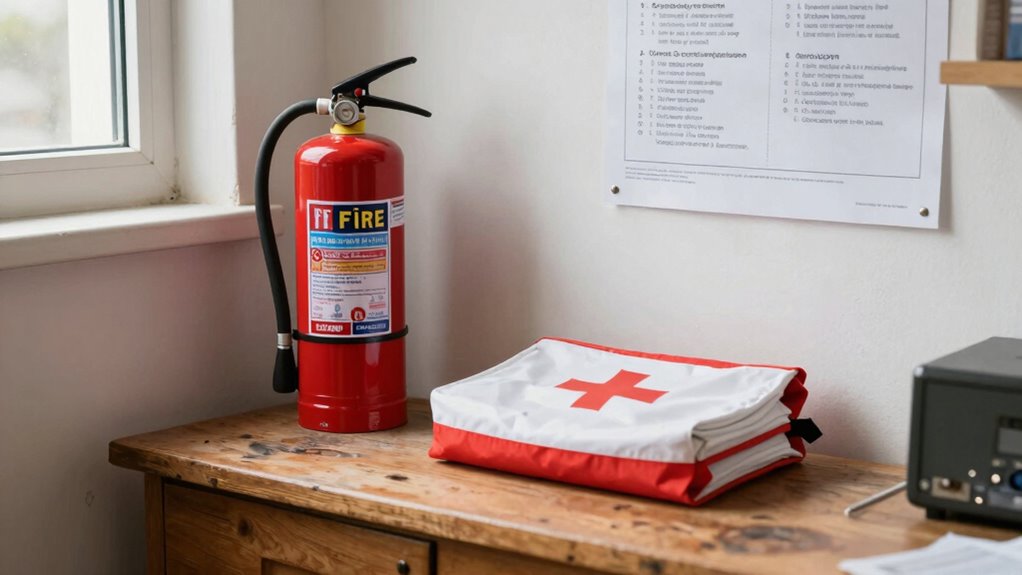
Are you confident your small business is prepared for emergencies? Many small business owners assume that elaborate safety plans are the way to go, but in reality, simpler safety plans often serve your needs better. Overly complex plans can become overwhelming, making it harder for your team to remember what to do when it counts most. Instead of trying to cover every possible scenario with a giant manual, focus on creating straightforward, easy-to-follow procedures that your employees can quickly learn and recall. Clear emergency procedures are essential because they make it easier for your staff to act confidently in stressful situations, reducing the chance of mistakes or delays that could worsen an emergency. Emphasizing emergency procedures helps ensure your team is prepared for urgent situations. Employee training plays a key role in effective safety planning. When your safety plan is simple, training becomes more manageable and effective. Instead of spending hours trying to memorize complicated protocols, your team can focus on understanding the core steps they need to take during an emergency. Regular, short training sessions that emphasize practical emergency procedures help reinforce these actions, making responses swift and instinctive. This approach guarantees everyone knows what to do without feeling overwhelmed by a lengthy manual or confusing instructions. Additionally, having clear communication channels in your safety plan can significantly improve coordination during crises. Simplified safety plans also encourage ongoing engagement because they’re less intimidating to review or update, which means your team stays informed and prepared over time. Incorporating flexible safety procedures further helps your business adapt quickly to changing circumstances, such as new regulations or operational modifications. A well-designed safety plan also considers ongoing review and improvement, ensuring it remains effective and relevant as your business evolves. Another advantage of keeping your safety plan straightforward is that it’s easier to adapt. Small businesses often face rapid changes, whether that’s new equipment, staff, or regulations. A complex plan can become outdated quickly, leading to confusion or neglect. Simple, flexible emergency procedures can be easily modified as your business evolves, ensuring your safety measures remain relevant. Additionally, in an emergency, clarity and speed are paramount. A concise safety plan allows your team to quickly locate and implement the necessary steps, rather than fumbling through a lengthy document trying to find the right procedure. Simplified safety plans are also more aligned with fostering a culture of safety, making it easier for everyone to prioritize safety practices daily. Ultimately, the goal isn’t to create a complete safety manual that covers every conceivable scenario but to develop a practical, easy-to-understand plan that emphasizes core emergency procedures. This approach improves employee training, enhances response times, and keeps your business prepared without adding unnecessary complexity. Remember, in times of crisis, simplicity often saves lives. Keeping your safety plan straightforward ensures your team can react decisively and confidently, helping you maintain a safe, resilient small business.
Products Worth Considering

Samsung 32-Inch Odyssey OLED G8 (G80SH) 4K Gaming Monitor

Bose QuietComfort Ultra Earbuds (2nd Gen), Deep Plum

Bose SoundLink Flex Bluetooth Speaker (2nd Gen), Portable Waterproof Speaker, Black
As an affiliate, we earn on qualifying purchases.
Frequently Asked Questions
How Often Should Safety Plans Be Reviewed and Updated?
You should review your safety plan at least once a year, but the safety plan frequency depends on your business’s specific risks and operations. Establish a review schedule that aligns with any changes in your workplace, new equipment, or procedures. Regular updates guarantee your safety plan remains effective, compliant, and tailored to your evolving needs, helping you prevent accidents and maintain a safe environment for everyone.
What Are Common Pitfalls in Small Business Safety Planning?
They say, “A stitch in time saves nine,” and that’s true for safety planning. Common pitfalls in your small business safety plan include neglecting thorough risk assessment, which leaves gaps in emergency procedures. You might also overcomplicate procedures, making them hard to follow. Keep your safety plan simple, regularly review it, and guarantee emergency procedures are clear. This helps you prevent accidents and keeps everyone protected.
How Can Small Businesses Train Employees Effectively on Safety?
You can train employees effectively on safety by using engaging training techniques like hands-on demonstrations, short videos, and interactive discussions. Focus on boosting employee engagement by encouraging questions and feedback, making safety a shared responsibility. Regularly refresh training sessions and incorporate real-life scenarios to reinforce learning. Keep instructions simple and clear, ensuring everyone understands their safety roles. This approach helps employees retain information and stay committed to maintaining a safe workplace.
Are There Legal Requirements for Safety Plans in Small Businesses?
Yes, small businesses must meet legal compliance requirements for safety plans. You’re typically required to conduct a risk assessment to identify potential hazards and develop a safety plan tailored to your operations. These legal standards aim to protect your employees and avoid penalties. By creating a simple, effective safety plan based on thorough risk assessments, you guarantee compliance and foster a safer, healthier workplace without unnecessary complexity.
How Do Safety Plans Impact Small Business Insurance Costs?
Safety plans directly impact your small business insurance costs by influencing your insurance premiums. When you implement effective safety protocols, you demonstrate strong risk management, which insurers see as lowering your likelihood of claims. This can lead to reduced premiums over time. Conversely, complicated or ineffective safety plans may increase perceived risks, driving up insurance costs. Keep your safety plans simple and focused to optimize risk management and keep insurance expenses manageable.
Conclusion
Think of your safety plan as a sturdy boat in a vast ocean. A smaller, well-crafted vessel navigates storms more easily than an oversized ship weighed down by unnecessary features. When your safety plan is simple, you can steer it swiftly through the rough waters of unexpected hazards. Remember, in the vast sea of business risks, it’s better to have a nimble, reliable craft than an unwieldy behemoth. Keep it simple, stay afloat.