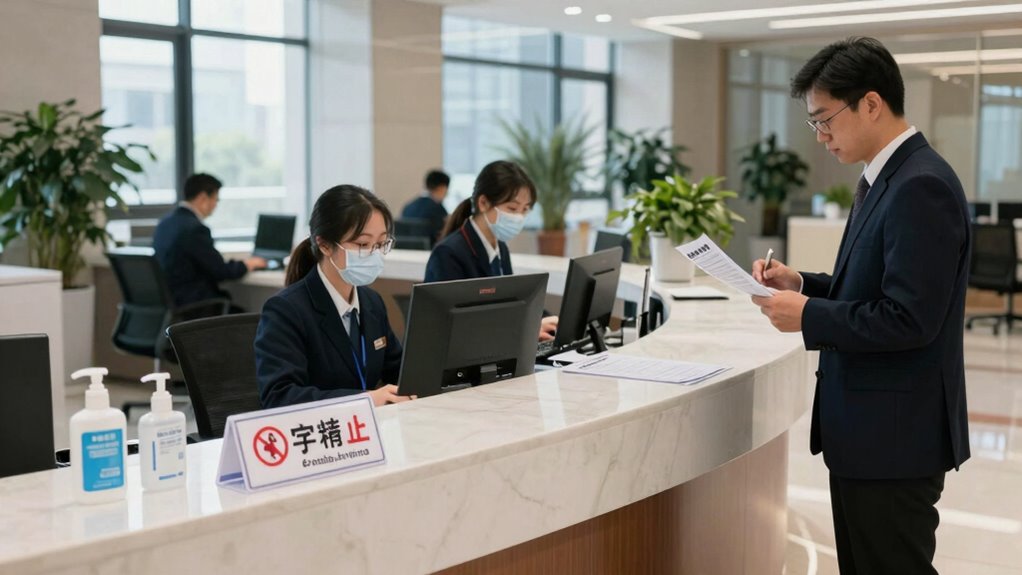

To create safer opening and closing routines, start by developing clear checklists that outline all safety steps, such as inspecting equipment, securing entry points, and ensuring emergency exits are accessible. Communicate roles clearly, encourage everyone to report hazards immediately, and regularly review procedures for improvements. Consistent routines foster accountability and safety awareness. If you keep exploring, you’ll discover practical ways to reinforce these routines and build a stronger safety culture at your workplace.

Get the latest gadgets delivered free with Prime
- Fast, free delivery on millions of items
- Prime Video, Amazon Music and more included
- Member-only deals all year
Key Takeaways
- Develop detailed checklists for opening and closing procedures, including equipment inspections and safety device checks.
- Train staff thoroughly on routines and emphasize the importance of safety compliance.
- Assign clear responsibilities to ensure accountability during opening and closing tasks.
- Encourage open communication for reporting safety concerns immediately during routines.
- Regularly review and update routines based on feedback and safety audits to improve effectiveness.
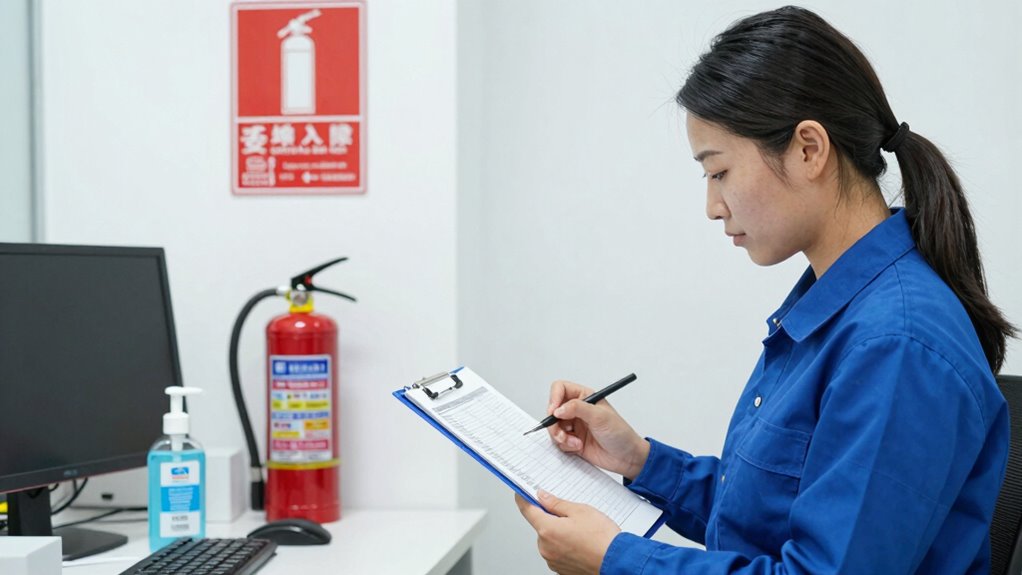
Establishing safe opening and closing routines at work is essential to protect yourself and your colleagues. These routines set the tone for the entire day, guaranteeing everyone knows their responsibilities and maintains a secure environment. When you follow clear procedures, you reinforce the importance of safety protocol adherence, which directly impacts overall workplace safety. You become a key player in creating a culture where safety is prioritized, and risks are minimized.
To start, develop a checklist that outlines each step needed to open and close your workspace properly. For opening routines, this might include inspecting equipment for damage, ensuring emergency exits are clear, and verifying that safety devices are in place and functional. When closing, your focus should be on securing all entry points, turning off machinery safely, and completing any necessary documentation. By following this structured approach, you reduce the chance of accidents or security breaches. Consistency is essential, so make sure everyone involved understands and commits to these routines.
Fostering employee accountability is important here. When each person understands their role in these routines, they’re more likely to follow through meticulously. Encourage open communication and clarify expectations so that everyone knows what’s required. If someone notices a safety issue, they should feel responsible for reporting it immediately. This collective accountability ensures that safety isn’t just a personal responsibility but a shared priority. Regularly review these routines with your team, emphasizing the importance of safety protocol adherence. Reinforcing these practices helps embed safety into your daily operations, making it second nature. Ensuring that safety procedures are well-documented and comprehensively communicated can further enhance understanding and compliance.
Training plays a significant role in establishing effective routines. New employees need thorough onboarding that covers opening and closing procedures, along with the reasons behind each step. Periodic refresher training reminds everyone of best practices and updates any procedures as needed. When safety is integrated into your training, it becomes part of your workplace culture, prompting everyone to stay vigilant. Incorporating safety culture into your training programs fosters a proactive approach to workplace safety, encouraging continuous improvement.
Finally, incorporate feedback from colleagues to refine your routines. If you identify gaps or inefficiencies, make adjustments to improve safety and streamline processes. Remember, the goal isn’t just compliance but creating an environment where safety is proactive, not reactive. By establishing and maintaining these routines with clear accountability and adherence to safety protocols, you protect yourself and everyone around you, fostering a safer, more secure workplace every day. Workplace safety should always be an ongoing priority.
As an affiliate, we earn on qualifying purchases.
Frequently Asked Questions
How Often Should Routines Be Reviewed for Safety?
You should review your routines regularly, ideally conducting routine audits every three to six months. This helps identify potential safety hazards and guarantees procedures stay effective. Incorporate safety reminders during these audits to reinforce safe practices. Additionally, update routines promptly if new risks emerge or processes change. Consistent reviews keep safety top of mind, empower employees to follow best practices, and create a safer work environment overall.
Who Is Responsible for Updating Safety Protocols?
You are responsible for updating safety protocols, ensuring they reflect your safety culture and recent hazard identification. Regularly review procedures to address new risks and promote a proactive safety environment. Collaborate with your team to gather feedback and keep protocols current. By actively maintaining and updating safety protocols, you foster a safety-conscious workplace where hazards are managed effectively, and everyone understands their role in maintaining safety.
How to Handle Unexpected Safety Incidents During Routines?
When an unexpected safety incident occurs, you should act quickly by following your emergency preparedness plan. Guarantee everyone’s safety first, then report the incident immediately using your incident reporting procedures. Stay calm, gather facts, and document what happened. By reacting swiftly and systematically, you help prevent further issues and guarantee proper response. Regularly practicing emergency preparedness drills also prepares you to handle incidents effectively during routines.
What Training Is Required for New Employees on Routines?
You probably think new employees can wing it, but they actually need thorough onboarding. You should include essential routines, safety drills, and hazard awareness in their training. Skipping this step’s like handing a fire extinguisher to someone who’s never seen one—dangerous! Proper employee onboarding guarantees they understand safety protocols, emergency procedures, and routine checks, making everyone’s work environment safer and more efficient from day one.
How to Ensure Routines Comply With Current Safety Regulations?
You guarantee routines comply with safety regulations by regularly reviewing safety gear requirements and updating them as needed. Incorporate clear emergency procedures into your routines and train staff on these protocols. Conduct routine safety audits to identify gaps, and stay informed about current safety standards. This proactive approach ensures your routines align with regulations, minimizes risks, and promotes a safer work environment for everyone.
equipment inspection safety tools
As an affiliate, we earn on qualifying purchases.
As an affiliate, we earn on qualifying purchases.
Conclusion
Think of your opening and closing routines as the foundation of a sturdy bridge. When you establish consistent, safe habits, you create a reliable pathway that supports your entire workday. By prioritizing safety at the start and end of each shift, you’re building a bridge that withstands the stresses of daily tasks. Keep these routines solid and secure, and you’ll guarantee a smoother, safer journey through your workday every time.
As an affiliate, we earn on qualifying purchases.
As an affiliate, we earn on qualifying purchases.
Halloween Picks
halloween
As an affiliate, we earn on qualifying purchases.