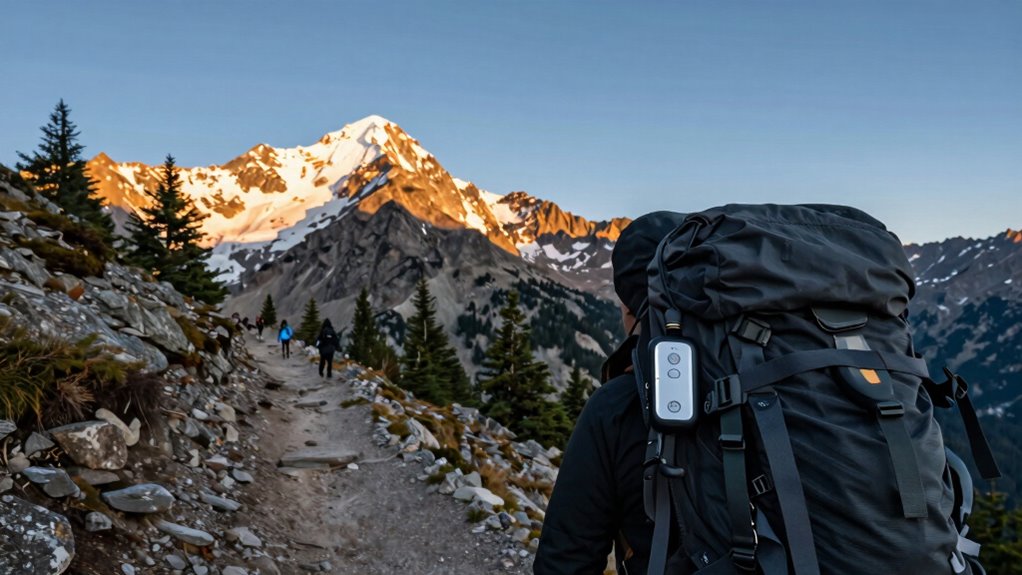

When venturing into remote areas or unfamiliar terrain, a personal locator beacon (PLB) can be a critical safety tool. The ACR ResQLink View stands out as the best overall for its combination of reliable GPS, ease of use, and durability. For those seeking compact options, the Ocean Signal rescueME PLB1 offers a lightweight design with solid performance. Meanwhile, the Garmin inReach® Mini 2 provides two-way messaging and broader communication capabilities but comes with a higher price tag. Buyers face tradeoffs between features, cost, and ease of use, especially when choosing between simple emergency beacons and more versatile satellite communicators. Keep reading for a detailed breakdown of these options and what to consider before purchasing.

Get the latest gadgets delivered free with Prime
- Fast, free delivery on millions of items
- Prime Video, Amazon Music and more included
- Member-only deals all year
Complete the kit



Key Takeaways
- Top picks stand out for reliable GPS accuracy and satellite connectivity, essential in remote terrains.
- Price varies significantly; simpler beacons are more affordable but lack communication features found in more advanced models.
- Durability and waterproof ratings are critical for rugged outdoor use, with some devices rated for extreme conditions.
- Two-way communication in devices like the Garmin inReach® Mini 2 adds versatility but increases complexity and cost.
- Registration requirements and regional differences can affect device usability and legal compliance.
| ACR ResQLink View RLS PLB Satellite SOS GPS Personal Locator Beacon |  | Best Overall Personal Locator Beacon | Weight: 5.28 ounces | Display: LCD 800 x 480 resolution | Battery Life: 24 hours | VIEW ON AMAZON | See Our Full Breakdown |
| ResQLink View GPS Personal Locator Beacon & ResQFlare USCG Approved Electronic Distress Flare Safety Kit | 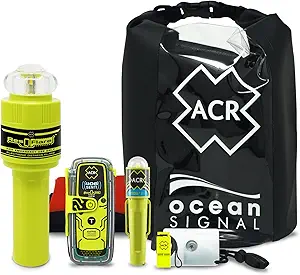 | Best Complete Safety Kit | Included Components: Whistle, ResQLink View, ResQFlare, Signal Mirror, Rescue Light, Distress Flag, Dry Bag | Number of Pieces: 1 | Set Name: ResQLink View and ResQFlare Survival Kit | VIEW ON AMAZON | See Our Full Breakdown |
| Garmin inReach® Mini 2 Satellite Communicator – Orange |  | Best for Two-Way Communication and Navigation | Special Feature: Bluetooth | Water Resistant: Yes | Battery Life: Up to 14 days | VIEW ON AMAZON | See Our Full Breakdown |
| ACR ResQLink 400 GPS Personal Locator Beacon Survival Kit |  | Best Durable Emergency Kit | Included Components: Dry Bag, ResQLink GPS, Rescue Strobe, Signal Mirror, Whistle | Number of Pieces: 5 | Model Number: PLB-400 | VIEW ON AMAZON | See Our Full Breakdown |
| ACR ResQLink 410 RLS PLB – Satellite SOS GPS Personal Locator Beacon |  | Best Lightweight and Visibility Features | Battery Life: 5 years | Operational Time: 24+ hours | Compatibility: GPS, Galileo GNSS, MEOSAR | VIEW ON AMAZON | See Our Full Breakdown |
| ACR ResQLink 400 Personal Locator Beacon without Display |  | Best Overall for Compact Emergency Signaling | Model: ResQLink 400 | Display: No | MSRP: $349 | VIEW ON AMAZON | See Our Full Breakdown |
| ACR ResQLink View GPS Personal Locator Beacon Survival Kit |  | Best for Safety and Multi-Tool Integration | Components: GPS beacon, waterproof gear, signal mirror, whistle, rescue light | Warranty: 5 years | Model: PLB-425 | VIEW ON AMAZON | See Our Full Breakdown |
| Ocean Signal rescueME PLB1 – US Registration |  | Best for Deep Water and Harsh Environments | Waterproof: 15 meters | Channels: 66 | GPS: 406 MHz | VIEW ON AMAZON | See Our Full Breakdown |
| ZOLEO Satellite Communicator (Slate Grey) |  | Best for Global Communication and Safety Off-Grid | Connectivity: Iridium, cellular, Wi-Fi | Battery Life: Over 200 hours | Durability: IP68-rated | VIEW ON AMAZON | See Our Full Breakdown |
| Jotron Tron SA20 Personal Locator Beacon, Compact & Lightweight with GPS & Galileo GNSS |  | Best for Long-Term Global Reliability | Frequencies: 406/121.5 MHz | Battery Life: 11 years | Enclosure Material: Plastic | VIEW ON AMAZON | See Our Full Breakdown |
| ACR ResQLink View PLB425 – Buoyant GPS Personal Locator Beacon |  | Best Overall for Versatile Outdoor Use | Compatible with Vehicle Type: Boat, RV | Screen Size: 1 inches | Additional Features: Waterproof | VIEW ON AMAZON | See Our Full Breakdown |
| Ocean Signal rescueME PLB1 – Compact Satellite SOS Personal Locator Beacon |  | Best for Lightweight, One-Handed Operation | Weight: 4 oz | Waterproof Depth: 49 feet | Battery Life: 7 years | VIEW ON AMAZON | See Our Full Breakdown |
| McMurdo FastFind 220 Personal Locator Beacon – US Programming |  | Best for Emergency Use in Remote and Extreme Conditions | Registration: US (programmed), reprogrammable | Activation: Deploy antenna, pull seal, press ON | Use case: Emergency, grave danger | VIEW ON AMAZON | See Our Full Breakdown |
| personal locator beacon for hikers and traveler | Battery Life |
|---|---|
| ACR ResQLink View RLS PLB Sate | 24 hours |
| ResQLink View GPS Personal Loc | — |
| Garmin inReach® Mini 2 Satelli | Up to 14 days |
| ACR ResQLink 400 GPS Personal | — |
| ACR ResQLink 410 RLS PLB | 5 years |
| ACR ResQLink 400 Personal Loca | 24 hours |
| ACR ResQLink View GPS Personal | — |
| Ocean Signal rescueME PLB1 | — |
| ZOLEO Satellite Communicator | Over 200 hours |
| Jotron Tron SA20 Personal Loca | 11 years |
| ACR ResQLink View PLB425 | — |
| Ocean Signal rescueME PLB1 | 7 years |
| McMurdo FastFind 220 Personal | — |
More Details on Our Top Picks
ACR ResQLink View RLS PLB Satellite SOS GPS Personal Locator Beacon
The ACR ResQLink View RLS PLB stands out for its comprehensive satellite coverage, combining GPS, Galileo, and MEOSAR, which ensures reliable global positioning in emergencies. Its 5-year battery life and 28+ hours of operational time make it highly dependable for extended outdoor adventures. The digital display and infrared strobe enhance visibility in rescue scenarios, while its buoyant, compact design suits both water and land activities. Compared with alternatives like the Garmin inReach Mini 2, this device offers superior satellite coverage but lacks two-way messaging, making it less versatile for regular communication. This pick makes the most sense for serious hikers or boaters who prioritize reliable rescue signals over two-way chat. However, it doesn’t require a subscription, which reduces ongoing costs, but users must be familiar with emergency signaling protocols. Pros: Global satellite coverage, long battery life, buoyant and compact, clear digital display. Cons: Limited to emergency signaling only, no two-way communication, requires some familiarity with rescue devices.
Verdict: Ideal for outdoor enthusiasts who need a dependable, all-in-one rescue device for remote environments.
Specs:- Weight: 5.28 ounces
- Display: LCD with 800 x 480 resolution
- Battery Life: 24 hours (average)
- Compatibility: Smartphone, Tablet
- Connectivity: Satellite, Worldwide
- Supported GNSS: GPS, Galileo GNSS, MEOSAR
Pros:- Global satellite coverage with GPS, Galileo, and MEOSAR
- Reliable 5-year battery life and 28+ hours of operation
- Buoyant, compact, and lightweight for easy carry
Cons:- Limited to emergency signaling, no two-way messaging
- Requires user familiarity with rescue protocols
Best for: Serious hikers, boaters, and campers who require reliable global rescue capability.
Not ideal for: Casual outdoor users seeking two-way communication or budget-friendly options.
- Weight:5.28 ounces
- Display:LCD 800 x 480 resolution
- Battery Life:24 hours
- Compatibility:Smartphone, Tablet
- Connectivity:Satellite, Worldwide
- Supported GNSS:GPS, Galileo GNSS, MEOSAR
Our verdict“Best suited for users who need a dependable, all-in-one emergency rescue device in remote areas.”
ResQLink View GPS Personal Locator Beacon & ResQFlare USCG Approved Electronic Distress Flare Safety Kit
This ResQLink View GPS Personal Locator Beacon & ResQFlare kit offers a comprehensive approach to outdoor safety, combining a reliable GPS beacon with an electronic distress flare approved by the US Coast Guard. It’s ideal for multi-activity adventurers like hikers, hunters, and boaters who want multiple signaling options in one package. Unlike the Garmin inReach Mini 2, which excels in two-way communication, this kit emphasizes visual and audio signaling, making it perfect for situations where rescue visibility is critical. The inclusion of accessories like a whistle, signal mirror, and dry bag adds to its versatility, though the lack of detailed specs on battery life or device range can be a concern for some users. This kit is best for those looking for a one-stop emergency solution for remote environments. However, the higher total cost and limited info on device range could be drawbacks for casual users. Pros: USCG approved, all-in-one safety kit, multiple signaling tools, suitable for various outdoor activities. Cons: Higher cost, limited device range details, no specific size or weight info.
Verdict: A strong choice for outdoor enthusiasts who prefer an all-in-one safety package over standalone devices.
Specs:- Included Components: Whistle, ResQLink View, ResQFlare, Signal Mirror, Rescue Light, Distress Flag, Dry Bag
- Number of Pieces: 1
- Set Name: ResQLink View and ResQFlare Survival Kit
- UPC: 791659023617
Pros:- USCG approved for reliable signaling
- Includes multiple rescue tools and signaling devices
- Designed for versatile outdoor use
Cons:- Higher overall cost
- Limited info on device range and battery specifics
Best for: Adventurers who want a multi-tool emergency kit for diverse outdoor activities.
Not ideal for: Users seeking lightweight, minimal gear or budget-conscious buyers.
- Included Components:Whistle, ResQLink View, ResQFlare, Signal Mirror, Rescue Light, Distress Flag, Dry Bag
- Number of Pieces:1
- Set Name:ResQLink View and ResQFlare Survival Kit
- UPC:791659023617
Our verdict“Best for users needing a complete, multi-signal emergency kit for diverse outdoor pursuits.”
Garmin inReach® Mini 2 Satellite Communicator – Orange
The Garmin inReach Mini 2 is a standout for its ability to send and receive messages globally, making it ideal for travelers who want both emergency SOS and regular communication. Its compact size and Bluetooth connectivity make it easy to pair with smartphones, extending functionality. Compared with the ACR ResQLink series, it offers the advantage of two-way messaging, but this feature requires an active satellite subscription, adding ongoing costs. Its battery life of up to 14 days is impressive for such a small device, though some regions may restrict satellite device use, limiting accessibility in certain areas. This device is best for outdoor travelers who want a versatile communication tool that can double as a navigation aid. However, users who prefer a device solely for emergency signaling without ongoing fees might find it less appealing. Pros: Two-way messaging, long battery life, compact and Bluetooth-enabled. Cons: Requires subscription, potential regulatory restrictions, higher ongoing costs.
Verdict: Perfect for travelers who need both emergency SOS and regular communication in remote areas.
Specs:- Special Feature: Bluetooth
- Water Resistant: Yes
- Battery Life: Up to 14 days
- Size: Compact
- Color: Orange
Pros:- Global two-way messaging capability
- Long battery life up to 14 days
- Small, lightweight, and Bluetooth connectivity
Cons:- Requires ongoing satellite subscription fees
- Some regions may restrict satellite device use
Best for: Travelers and outdoor explorers who want reliable communication and navigation from a small device.
Not ideal for: Budget-conscious users or those solely needing emergency signaling without ongoing fees.
- Special Feature:Bluetooth
- Water Resistant:Yes
- Battery Life:Up to 14 days
Our verdict“Ideal for adventurers who want a compact device combining emergency SOS with ongoing communication features.”
ACR ResQLink 400 GPS Personal Locator Beacon Survival Kit
The ResQLink 400 GPS Personal Locator Beacon Survival Kit combines a reliable GPS beacon with durable survival tools, making it well-suited for harsh environments where resilience matters. Its waterproof rescue light, signal mirror, and whistle complement the GPS tracking, providing multiple signaling options. Compared to the ResQLink View, which offers a digital display, the ResQLink 400 emphasizes ruggedness and simplicity, but it may lack some of the advanced features like display visibility in low light. Its five-year warranty adds peace of mind, yet the high price tag could deter casual users. This device is best for those venturing into remote, rugged terrain where durability outweighs the need for extra features. However, its operation may require some familiarity with rescue signaling, and it’s not ideal for casual hikers. Pros: Waterproof, rugged build, reliable GPS, includes multiple survival tools. Cons: Expensive, limited user-friendliness for beginners, no digital display.
Verdict: Designed for serious outdoor adventurers needing tough, dependable rescue equipment.
Specs:- Included Components: Dry Bag, ResQLink GPS Beacon, Rescue Strobe, Signal Mirror, Whistle
- Number of Pieces: 5
- Model Number: PLB-400
- Warranty: 5 Years
- UPC: 791659023464
Pros:- Waterproof and rugged design for harsh conditions
- Reliable GPS with signaling tools included
- Long five-year warranty for peace of mind
Cons:- High price point for casual users
- Limited ease of use for beginners
- No digital display for quick status checks
Best for: Adventurers in rugged, remote environments where durability is essential.
Not ideal for: Casual hikers or budget buyers seeking lightweight or simple devices.
- Included Components:Dry Bag, ResQLink GPS, Rescue Strobe, Signal Mirror, Whistle
- Number of Pieces:5
- Model Number:PLB-400
- Warranty:5 Years
- UPC:791659023464
Our verdict“Best suited for outdoor explorers who need durable, reliable rescue gear for challenging environments.”
ACR ResQLink 410 RLS PLB – Satellite SOS GPS Personal Locator Beacon
The ResQLink 410 RLS PLB combines lightweight portability with enhanced visibility features, including built-in buoyancy, strobe, and infrared lights, making it ideal for water-based and land adventures. Its 5-year battery life and support for multiple satellite systems ensure reliable performance during emergencies. Compared to the ResQLink View, which includes a digital display, the 410 RLS emphasizes visual signaling and ease of access with multifunction clips and buoyancy, though it lacks a display screen. It’s perfect for boaters and kayakers who need quick access to signaling tools and visibility in rescue scenarios. The upfront cost is a consideration, but its durability and visibility features make it worth the investment for water-centric activities. Casual hikers who don’t require buoyancy or high visibility features may find it excessive. Pros: Built-in buoyancy, strobe and infrared lights, lightweight and portable, supports multiple satellite systems. Cons: No digital display, upfront cost may be high, limited to emergency use only.
Verdict: Excellent for water adventurers needing a compact, highly visible rescue device.
Specs:- Battery Life: 5 years
- Operational Time: 24+ hours
- Compatibility: GPS, Galileo GNSS, MEOSAR
- Features: Built-in buoyancy, strobe, infrared lights
- Size: Compact
Pros:- Built-in buoyancy for water safety
- Enhanced visibility with strobe and infrared lights
- Supports multiple satellite systems for reliable coverage
Cons:- No digital display for status updates
- Higher initial cost
- Limited to emergency use only
Best for: Kayakers, boaters, and water-based adventurers requiring high visibility rescue features.
Not ideal for: Land-only hikers or users seeking digital display-based devices.
- Battery Life:5 years
- Operational Time:24+ hours
- Compatibility:GPS, Galileo GNSS, MEOSAR
- Features:Built-in buoyancy, strobe, infrared lights
- Size:Compact
Our verdict“Ideal for water explorers who need a lightweight, highly visible rescue beacon with buoyant features.”
ACR ResQLink 400 Personal Locator Beacon without Display
The ACR ResQLink 400 stands out for its compact, lightweight design and reliable emergency signaling, making it ideal for those who need a straightforward device without extra features. Unlike the ResQLink View, it omits a display, which simplifies operation but means you won’t receive real-time status updates. Its higher price reflects its simplicity and reliability, though some may find it less versatile. This pick makes the most sense for experienced hikers who prefer minimalism and are comfortable with basic signaling.
Pros include compact size, dependable SOS transmission, and lightweight form factor. Cons involve no display for status checks, higher cost, limited advanced features.
Verdict: Best for seasoned outdoor enthusiasts seeking a reliable, no-frills beacon.
Specs: Model: ResQLink 400, Display: No, MSRP: $349, Battery Life: 24 hours, Frequency: 406 MHz, Size: 3.2 x 2.2 x 0.9 inches, Weight: 4.4 oz.Pros:- Compact and lightweight for easy carry
- Reliable emergency signaling
- No display reduces complexity
Cons:- Lacks a display for status updates
- Higher price compared to some alternatives
Best for: Experienced hikers and adventurers who value reliability and simplicity.
Not ideal for: Beginners or casual users who want real-time updates and more features.
- Model:ResQLink 400
- Display:No
- MSRP:$349
- Battery Life:24 hours
- Frequency:406 MHz
- Size:3.2 x 2.2 x 0.9 inches
- Weight:4.4 oz
Our verdict“A solid choice for those who prioritize dependable signaling over extra features.”
ACR ResQLink View GPS Personal Locator Beacon Survival Kit
This ResQLink View GPS kit combines a GPS-enabled beacon with a suite of survival tools, making it perfect for those who want more than just emergency signaling. Compared with the ResQLink 400, it offers GPS tracking and visual signaling, plus waterproof gear, which enhances safety in water or extreme conditions. The included signal mirror, whistle, and rescue light make it a comprehensive safety kit, but it comes at a higher price—less suited for casual hikers. It’s best for outdoor enthusiasts who want a one-stop safety solution.
Pros include GPS tracking, waterproof durability, and added safety tools. Cons involve costly for casual use, requires some familiarity with signaling devices, limited to outdoor/marine contexts.
Verdict: Ideal for serious adventurers needing a multi-tool rescue kit.
Specs: Included Components: GPS beacon, waterproof gear, signal mirror, whistle, rescue light; Warranty: 5 years; Model: PLB-425; Price: varies, typically higher; Durability: waterproof and rugged; Size: compact; Weight: approximately 8 oz.Pros:- GPS tracking and visual signaling
- Waterproof and durable gear
- Multiple safety tools in one kit
Cons:- Expensive for infrequent users
- Requires familiarity with emergency signaling
Best for: Adventure travelers who need a complete safety kit for diverse environments.
Not ideal for: Casual hikers or those on short day trips who prefer simpler devices.
- Components:GPS beacon, waterproof gear, signal mirror, whistle, rescue light
- Warranty:5 years
- Model:PLB-425
- Price:Varies, generally higher
- Durability:Waterproof
- Size:Compact
- Weight:Approximately 8 oz
Our verdict“A strong choice for those seeking a multi-safety solution for remote or water-based adventures.”
Ocean Signal rescueME PLB1 – US Registration
The Ocean Signal rescueME PLB1 provides robust rescue signaling with 66-channel GPS and dual-frequency beaconing, making it ideal for marine and harsh outdoor environments. Its waterproof rating up to 15 meters surpasses many competitors, including the Jotron Tron SA20, especially for water-based adventures. It’s solely focused on emergency use, with no additional features, which simplifies operation but limits versatility. This device is best suited for serious sailors and explorers who need dependable, high-performance signaling in extreme conditions.
Pros include deep water waterproofing, multi-channel GPS, and reliable satellite communication. Cons involve strictly emergency use, no extra functionalities, and higher cost.
Verdict: Perfect for water-focused adventurers needing durability and precision signaling.
Specs: Waterproof: 15 meters, Channels: 66, GPS: 406 MHz, Homing Beacon: 121.5 MHz, Size: compact, Weight: around 5 oz, Battery Life: 24 hours.Pros:- Waterproof up to 15 meters
- Multiple communication channels
- Reliable satellite signaling
Cons:- Limited to emergency signaling only
- No additional features for convenience
Best for: Sailors, marine explorers, and adventurers in water-heavy environments.
Not ideal for: Land hikers or casual travelers seeking basic features or multi-use devices.
- Waterproof:15 meters
- Channels:66
- GPS:406 MHz
- Homing Beacon:121.5 MHz
- Size:compact
- Weight:around 5 oz
Our verdict“A top choice for marine and extreme outdoor users demanding high waterproof standards.”
ZOLEO Satellite Communicator (Slate Grey)
The ZOLEO Satellite Communicator excels as a versatile device enabling global messaging via Iridium, making it ideal for travelers and hikers venturing far from cell service. Unlike traditional beacons focused solely on rescue signaling, ZOLEO offers continuous communication, GPS location sharing, and emergency SOS, which broadens its appeal. However, its reliance on a subscription plan adds ongoing costs that might deter casual users. This device is best for those who want to stay connected and safe in remote areas without relying on a single emergency signal.
Pros include global satellite messaging, long battery life, rugged IP68 design. Cons involve service plan costs, limited satellite coverage for non-messaging features.
Verdict: Ideal for remote travelers and outdoor professionals needing reliable off-grid communication.
Specs: Connectivity: Iridium, cellular, Wi-Fi; Battery Life: over 200 hours; Durability: IP68; Messages: up to 900 characters; Service Plans: from $20/month.Pros:- Global satellite messaging
- Rugged, IP68-rated durability
- Long battery life and emergency SOS
Cons:- Service plan required, ongoing cost
- Limited functionality without subscription
Best for: Travelers, remote hikers, and outdoor professionals needing continuous communication.
Not ideal for: Casual backpackers or those unwilling to pay ongoing subscription fees.
- Connectivity:Iridium, cellular, Wi-Fi
- Battery Life:Over 200 hours
- Durability:IP68-rated
- Messages:Up to 900 characters
- Service Plans:From $20/month
Our verdict“A smart choice for those who prioritize staying connected worldwide, even in the most remote locations.”
Jotron Tron SA20 Personal Locator Beacon, Compact & Lightweight with GPS & Galileo GNSS
The Jotron Tron SA20 offers a combination of 11-year battery life and advanced GNSS options like GPS and Galileo, making it a standout for long-term safety in remote environments. Its SOLAS approval and US registration add credibility for professional maritime and expedition use. Compared to the Ocean Signal rescueME PLB1, it provides a longer battery span, reducing maintenance worries over time. However, the lack of detailed user documentation and the absence of extra features mean it’s primarily designed for dedicated professionals rather than casual hikers.
Pros include extremely long battery life, global GNSS coverage, waterproof design. Cons involve requires US registration, limited user info, potentially higher price.
Verdict: Best suited for long-term, high-reliability use by serious explorers and maritime professionals.
Specs: Frequencies: 406/121.5 MHz; Battery: 11 years; GNSS: GPS & Galileo; Waterproof: Yes; Registration: US; Approval: SOLAS; Size: compact; Weight: approx 6 oz.Pros:- 11-year battery lifespan
- Global GNSS coverage
- Waterproof and SOLAS approved
Cons:- Requires US registration and reprogramming for other regions
- Limited user manual details
Best for: Maritime professionals, long-term expeditions, and serious outdoor explorers needing durability and longevity.
Not ideal for: Casual hikers or those seeking multi-function devices with user-friendly manuals.
- Frequencies:406/121.5 MHz
- Battery Life:11 years
- Enclosure Material:Plastic
- Waterproof:Yes
- Registration:US registered
- GNSS:GPS & Galileo
- Approval:SOLAS
Our verdict“A perfect match for explorers requiring dependable, long-lasting distress communication in demanding environments.”
ACR ResQLink View PLB425 – Buoyant GPS Personal Locator Beacon
The ACR ResQLink View PLB425 stands out for its comprehensive features that suit a variety of outdoor activities, including boating, hiking, and camping. Its buoyant and rugged design makes it particularly well-suited for water-based adventures, and its satellite connectivity offers reliable global SOS signals. Unlike the smaller rescueME PLB1, this device provides visual signals like LED and infrared strobes, which can be crucial in low-visibility situations. However, the complexity of its touchscreen and customizable messaging may overwhelm casual users or those seeking a straightforward device. It lacks detailed info on software updates, which could impact long-term usability, and its price is not specified, making it less transparent for budget-conscious buyers. Overall, this model is ideal for those seeking a multi-purpose beacon with advanced signaling features but who are comfortable with a potentially steeper learning curve.
Pros:- Buoyant and rugged design suitable for water and land activities
- Global SOS coverage via satellite with GPS accuracy
- Includes visual signaling like LED and infrared strobes
- Supports customizable messaging via SMS and email
Cons:- Limited info on software update support, which could affect long-term functionality
- Complex interface may be intimidating for casual users
- Price and customer reviews are not available, reducing purchase confidence
Best for: Hikers and boaters who want a multi-use, GPS-enabled device with visual signaling for diverse outdoor scenarios
Not ideal for: Casual hikers or travelers seeking a simple, low-maintenance beacon without complex features
- Compatible with Vehicle Type:Boat, RV
- Screen Size:1 inches
- Additional Features:Waterproof
- Connectivity Technology:GPS
- Map Types:Satellite, Worldwide
- Battery Average Life:28 hours
Our verdict“This device is best suited for experienced outdoor enthusiasts needing a versatile beacon with advanced signaling options.”
Ocean Signal rescueME PLB1 – Compact Satellite SOS Personal Locator Beacon
The rescueME PLB1 makes a compelling choice for those prioritizing portability and ease of use, especially compared to bulkier options like the FastFind 220. Its ultra-lightweight design at just 4 ounces allows for quick deployment during emergencies, and its durable, waterproof construction ensures reliability in harsh conditions. One-handed operation simplifies activation when seconds count, but this simplicity also means it lacks advanced features like visual signaling or customizable messaging found in the ResQLink View. Additionally, while it performs well in open skies, its reliance on a clear satellite view can limit its effectiveness in dense forests or urban environments. This pick is excellent for solo hikers or climbers who value minimal weight and straightforward operation over extra signaling capabilities.
Pros:- Extremely lightweight and compact for easy carry
- One-handed, simple operation for quick activation
- Durable and waterproof up to 49 feet
- Long battery life of 7 years with 24+ hours operational time
Cons:- Limited to basic safety and location features without visual signaling
- Requires a clear satellite view, which may be problematic in dense environments
Best for: Solo hikers or climbers needing a compact, reliable device that’s easy to activate in emergencies
Not ideal for: Group expeditions or water-based activities where visual signaling or multi-functionality is desired
- Weight:4 oz
- Waterproof Depth:49 feet
- Battery Life:7 years
- Operational Time:24+ hours
- GPS Channels:66
- Light Intensity:1 candela
Our verdict“This beacon is ideal for solo adventurers seeking a straightforward, lightweight safety device with long-term reliability.”
McMurdo FastFind 220 Personal Locator Beacon – US Programming
The McMurdo FastFind 220 is designed for critical emergency situations, especially in remote areas where quick rescue response is vital. Its straightforward activation process—deploying the antenna, pulling the anti-tamper seal, and pressing ON—makes it reliable under stress. Compared to the rescueME PLB1, which emphasizes portability and ease, the FastFind 220’s focus on emergency activation in life-threatening scenarios makes it a dedicated safety tool. It is pre-programmed for US registration, with reprogramming possible for other regions, but it should only be used in genuine emergencies to avoid penalties for false alerts. Its limited features make it less suitable for recreational use but invaluable for those venturing into extreme environments where survival depends on prompt rescue.
Pros:- Reliable activation in extreme conditions
- Pre-programmed for US registration with reprogramming options
- Simple, clear activation process suitable for emergencies
- Effective in remote areas with minimal environmental interference
Cons:- Limited to emergency use—lacks signaling or tracking features
- False alerts can cause disruptions and penalties
- Only suitable for life-threatening situations, not everyday safety
Best for: Travelers or explorers in remote regions needing a dependable, US-registered emergency beacon
Not ideal for: Casual travelers or those seeking multi-purpose devices with navigation or signaling features
- Registration:US (programmed), reprogrammable
- Activation:Deploy antenna, pull seal, press ON
- Use case:Emergency, grave danger
Our verdict“This beacon is best for those needing a dedicated, reliable emergency device in remote or extreme environments where quick rescue can be life-saving.”

How We Picked
These products were selected based on a combination of performance, ease of use, build quality, and value. Priority was given to devices with proven satellite connectivity, GPS accuracy, and durability for outdoor use. We also considered user interface simplicity, battery life, and compliance with safety standards. Devices that offer reliable emergency signaling and are suitable for a range of outdoor activities ranked higher. Cost was balanced against features to identify options that provide the best value for different types of hikers and travelers. The ranking reflects these criteria to help readers find a device that fits their safety needs and budget.Factors to Consider When Choosing Personal Locator Beacon For Hikers And Travelers
Choosing the right personal locator beacon involves balancing several key factors. It’s essential to consider your typical activity environment, budget, and whether you need additional features like two-way messaging. Understanding these factors can help you avoid common pitfalls, such as buying a device with limited satellite coverage or poor battery life, which can compromise safety when it matters most.Coverage and Satellite Compatibility
Most PLBs operate via global satellite networks like COSPAS-SARSAT, but some devices also support additional systems like GNSS (GPS, Galileo). Devices with multi-constellation support tend to provide more accurate location data, especially in dense forests or rugged terrain. Ensuring your device is registered and compatible with your region’s requirements is equally important to avoid legal issues and maximize functionality.
Battery Life and Power Management
Long battery life is essential for extended outdoor trips, particularly in remote areas where recharging isn’t possible. Look for devices with at least 24-48 hours of standby or active use. Some beacons feature rechargeable batteries, while others use replaceable batteries—each with tradeoffs in convenience and cost. A device with an indicator for low battery status can prevent unexpected failures during critical moments.
Ease of Use and Activation
In an emergency, simplicity is vital. Devices with one-button activation or straightforward interfaces reduce the risk of confusion or hesitation. Consider whether the device has clear indicator lights or audible signals confirming activation. Complex devices with multiple features might provide more options but can also lead to delays or errors during stress.
Durability and Weather Resistance
Outdoor safety gear must withstand harsh conditions. Look for IP ratings indicating waterproofness (such as IPX7 or IPX8) and rugged construction that resists shocks and extreme temperatures. A device that fails in rain, snow, or mud could be a critical liability, so prioritize durability that matches your activity environment.
Additional Features and Communication
Some PLBs come with extra capabilities like two-way messaging, built-in compasses, or emergency flares. Two-way communication can be invaluable for providing status updates or coordinating rescue efforts but often increases cost and complexity. Decide whether these features align with your needs—if you’re primarily concerned with emergency signaling, a basic beacon might suffice.
Frequently Asked Questions
Do I need to register my personal locator beacon?
Yes, most regions require registering your PLB with a national rescue coordination center. Registration helps rescue teams locate you faster and ensures compliance with local laws. It usually involves providing your contact details and trip information, which can be crucial if rescue becomes necessary. Failure to register may delay rescue efforts or lead to legal issues in some regions.
How long does the battery last in a typical PLB?
Battery life varies by model, but most PLBs are designed to last between 24 to 48 hours of continuous operation or standby. Some devices offer longer shelf lives, with batteries rated to remain functional for years until activation. Always check the manufacturer’s specifications and consider carrying spare batteries or ensuring your device has a battery status indicator to avoid surprises during critical moments.
Can I use a personal locator beacon everywhere?
While most PLBs are designed for global satellite coverage, regional restrictions or licensing requirements may apply. Some devices support additional satellite systems, improving coverage in difficult environments, but regional regulations might influence their use. Always verify compatibility with your destination and ensure your device complies with local laws before heading into remote areas.
Is a two-way messaging device better than a basic beacon?
Two-way messaging devices, like the Garmin inReach®, provide the ability to communicate with rescue services or loved ones, which can be reassuring and helpful. However, they tend to be more expensive and require subscription plans. If your trips are short or primarily in areas with reliable cell service, a basic beacon may be sufficient. For extended or more complex trips, the added communication capabilities can be worth the extra investment.
What features should I prioritize for extreme weather conditions?
In harsh environments, prioritize a device with high waterproof ratings (IPX7 or IPX8), shock resistance, and a rugged construction. Long battery life and clear indicators for activation and battery status also matter. Some devices are specifically rated for extreme temperatures and conditions, which can prevent failures when you need them most. Always verify the device’s certified standards before relying on it in severe weather.
Conclusion
For most hikers and travelers seeking a reliable emergency tool, the ACR ResQLink View offers the best overall balance of performance, ease of use, and durability. Budget-conscious adventurers will appreciate the Ocean Signal rescueME PLB1 for its compact design and solid features. Those needing advanced communication capabilities should consider the Garmin inReach® Mini 2, despite its higher cost. Beginners or occasional outdoor enthusiasts might prefer simpler, user-friendly models, while professionals or frequent explorers should look toward devices with extended battery life and rugged certifications. Choosing the right device depends on your specific needs, activity environment, and budget, but prioritizing reliable coverage and durability remains essential for safety.
As an affiliate, we earn on qualifying purchases.Fall Picks
fall essentials