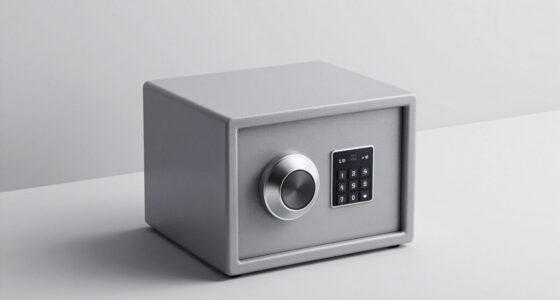
A GPS tracker with geofencing alerts can notify you when a vehicle enters or leaves a defined area, but the right choice depends on how it connects, how it is powered, and whether ongoing service is required. My best overall pick is the Bouncie GPS Tracker for drivers who want real-time vehicle location and a familiar plug-in format. The Moto Watchdog stands out for buyers seeking mileage and route tools without a monthly fee, while the Optimus Wired GPS Tracker suits installations where a concealed, vehicle-powered unit matters more than easy setup. The main tradeoffs are subscription costs versus service limits, convenient OBD-II installation versus concealment, and battery life versus frequent location updates. Read on for the full breakdown, selection criteria, and guidance on matching a tracker to your vehicle and alert needs.

Get the latest gadgets delivered free with Prime
- Fast, free delivery on millions of items
- Prime Video, Amazon Music and more included
- Member-only deals all year
Complete the kit



Key Takeaways
- Bouncie leads for everyday vehicle monitoring: its real-time location focus and OBD-II-style setup make it a practical starting point, while buyers should check the service terms before choosing it.
- Moto Watchdog differentiates itself with vehicle-use data: mileage, speed, and route history add value for families and fleets, but a no-monthly-fee claim should be checked against the exact features and service conditions.
- Power and installation shape the shortlist: OBD-II models such as Bouncie and VITALGLOW are easier to set up, while wired picks such as Optimus and Spy Tec Pulse call for more involved installation.
- Battery-powered magnetic trackers prioritize placement flexibility: the long-battery and waterproof two-pack is suited to longer-term concealment, though battery-based devices may not match vehicle-powered trackers for uninterrupted live updates.
- Compatibility can rule out an apparent bargain: the two-pack options rely on different phone ecosystems—one is listed for Apple Find My and another for Android and iPhone—so buyers should confirm device and alert support before purchase.
| GPS Tracker for Vehicles No Monthly Fee No Subscription Real-Time Location Mileage Tracking Speed Monitoring Route History Geofence OBD Fleets & Families USA Moto Watchdog |  | Best for Subscription-Free OBD Tracking | Connectivity: Cellular | Installation: Plug-and-play OBD | Supported functions: Location tracking, route history, speed monitoring, tamper notification, and geofence | VIEW ON AMAZON | See Our Full Breakdown |
| Bouncie GPS Tracker for Vehicles with Real-Time Location |  | Best for Detailed Driving and Vehicle Insights | Connectivity: 4G LTE | Interface: OBD2 | Location update interval: Every five seconds | VIEW ON AMAZON | See Our Full Breakdown |
| Slim Waterproof GPS Tracker for Vehicles and Valuables |  | Best for Long-Life Portable Tracking | Brand and model: Wnrfg GF18 | App compatibility: iOS and Android | Subscription: No SIM card or monthly service plan required | VIEW ON AMAZON | See Our Full Breakdown |
| GPS Tracker for Vehicles, No Subscription, Real-Time Location Tracking, Route History, Geofencing Alerts, Magnetic Hidden Vehicle Locator, Free App |  | Best for Easy Magnetic Installation | Real-time tracking: Yes; location updates every few seconds | Route history: Yes | Geofence alerts: Yes | VIEW ON AMAZON | See Our Full Breakdown |
| GPS Tracker for Vehicles, 2 Pack – Portable, Splashproof, iOS Find My Compatible, No Monthly Fee |  | Best Two-Pack for Apple Find My Users | Compatibility: iOS Find My network | Number of devices: 2 | Water resistance: Splashproof | VIEW ON AMAZON | See Our Full Breakdown |
| Optimus Wired GPS Tracker for Vehicles |  | Best for Driving Reports | Installation: Hardwired to positive and negative battery wires | Reporting frequency: Every 30 seconds; 10-second updates available as an upgrade | Coverage: Nationwide United States | VIEW ON AMAZON | See Our Full Breakdown |
| GPS Tracker for Vehicles No Monthly Fee Real-Time Location Long Battery Life Hidden Magnetic Device |  | Best for Portable, No-Subscription Tracking | Connectivity: 4G; SIM card required | Location updates: Every 30 seconds | Battery life: Up to 20 days | VIEW ON AMAZON | See Our Full Breakdown |
| GPS Tracker for Vehicles – 2 Pack, Magnetic Case, 2-Year Battery Life, Waterproof, No Monthly Fee, Compatible with Android & iPhone |  | Best for Long-Term, Low-Maintenance Placement | Pack size: 2 trackers | Battery life: Up to 2 years | Compatibility: Android 9+ and iPhone | VIEW ON AMAZON | See Our Full Breakdown |
| VITALGLOW 4G OBD-II GPS Tracker for Vehicles |  | Best Overall for Geofence Alerts | Connectivity: 4G LTE | Power: Vehicle OBD-II port | Tracking update interval: Every 5 seconds while moving | VIEW ON AMAZON | See Our Full Breakdown |
| Spy Tec Pulse Wired GPS Tracker for Vehicles, Waterproof, Real-Time Monitoring |  | Best for Hardwired Security Monitoring | Installation: Two-wire connection directly to vehicle battery | Real-time updates: Every 5 seconds | Waterproof: Yes | VIEW ON AMAZON | See Our Full Breakdown |
More Details on Our Top Picks
GPS Tracker for Vehicles No Monthly Fee No Subscription Real-Time Location Mileage Tracking Speed Monitoring Route History Geofence OBD Fleets & Families USA Moto Watchdog
No monthly subscription is the main reason I’d choose the Moto Watchdog: it pairs geofence, route-history, mileage, and speed features with an OBD plug-in design, avoiding the recurring service charge required by the Bouncie GPS Tracker. Its vehicle-powered setup also means there’s no battery to recharge during normal use, which suits cars monitored regularly. The tradeoff is that this tracker depends on an OBD port and vehicle power, so it is less flexible for luggage or equipment than the Wnrfg GF18 or the magnetic rechargeable option. It also lacks the engine diagnostics and battery and fuel insights listed for Bouncie. I’d pick it for a family or small fleet that prioritizes geofence alerts and predictable ongoing costs over vehicle-health data.
Pros:- Geofence support alongside route history, mileage monitoring, and speed alerts
- No monthly subscription or stated hidden fees
- Plug-and-play OBD installation with power from the vehicle
- Supports smartphones and operation across more than 170 countries, including the US, Canada, and Mexico
Cons:- Requires an available vehicle OBD port
- Has no battery backup if vehicle power is interrupted
- Does not read engine DTC codes or track fuel level
Best for: Families and small fleet operators who want OBD-based vehicle location and geofence monitoring without a monthly service plan.
Not ideal for: Owners of vehicles without a compatible OBD port, or buyers who need battery backup, engine diagnostic codes, or fuel-level insights.
- Connectivity:Cellular
- Installation:Plug-and-play OBD
- Supported functions:Location tracking, route history, speed monitoring, tamper notification, and geofence
- Supported devices:Smartphones
- Supported countries:More than 170, including the US, Canada, and Mexico
- Power:Powered by the vehicle; no battery backup
- Enclosure material:Plastic
Our verdict“Choose the Moto Watchdog if you want subscription-free geofence and route monitoring in an OBD-powered vehicle tracker, not engine diagnostics or portable tracking.”
Bouncie GPS Tracker for Vehicles with Real-Time Location
The Bouncie GPS Tracker is the strongest fit here for buyers who want geofence alerts alongside frequent location updates and a fuller picture of vehicle use. Its five-second updates, unlimited trip history, unsafe-driving alerts, impact notifications, and engine-health insights go beyond the simpler geofence-and-route focus of the Moto Watchdog. That extra detail can help a family review driving habits or a vehicle owner spot diagnostic and battery concerns. The tradeoff is a required monthly subscription, while the Moto Watchdog is designed to avoid recurring fees. Bouncie also uses an OBD2 port and supports most vehicles from 1996 onward, so it is not a portable tracker for luggage or equipment. I’d choose it when vehicle monitoring depth matters more than subscription-free operation.
Pros:- Location updates every five seconds and unlimited trip history
- Geofence entry and exit alerts plus unsafe-driving and impact notifications
- Includes engine diagnostics, battery, and fuel insights
- OBD2 installation works with most vehicles from 1996 onward
Cons:- Requires a monthly subscription
- Needs an OBD2 port and is limited to vehicle use
- Older vehicles may not be compatible
Best for: Families or vehicle owners who want geofence notifications, frequent location updates, driving-behavior reporting, and basic vehicle-health insights in one OBD2 device.
Not ideal for: Buyers avoiding recurring service charges, people tracking non-vehicle belongings, or owners of vehicles outside its stated compatibility range.
- Connectivity:4G LTE
- Interface:OBD2
- Location update interval:Every five seconds
- Trip history:Unlimited
- Monitoring:Speed, acceleration, hard braking, idle time, engine diagnostics, battery, and fuel insights
- Alerts:Geofence entry and exit, unsafe driving, and impacts
- Compatibility:Most vehicles from 1996 onward
- Subscription:Monthly subscription required
- Warranty:Lifetime-limited
Our verdict“Pick Bouncie if you want richer driving and vehicle-health information with geofence alerts and accept a monthly subscription.”
Slim Waterproof GPS Tracker for Vehicles and Valuables
The Wnrfg GF18 makes more sense for someone who wants to move a tracker among a vehicle, bag, or other belongings than for a driver seeking frequent live updates. Its replaceable battery rated for up to one year, IPX7 waterproof design, location history, and sharing features favor low-maintenance placement. That is a different use case from the vehicle-powered Moto Watchdog or subscription-based Bouncie, both of which are more directly oriented to ongoing car monitoring. The supplied details do not specify geofence alerts or a live-update interval, so I would not choose the GF18 when dependable boundary notifications are the primary requirement. It also needs internet access to view location data in its app, and buyers must provide their own strap, cord, or connector. Its strength is portable, occasional tracking rather than a dedicated geofence system.
Pros:- Replaceable battery rated for up to one year
- IPX7 waterproof design suited to wet conditions
- App offers location history for up to 30 days and location sharing
- No SIM card or monthly service plan required
Cons:- Product details do not specify geofence alerts or a location update interval
- Internet connectivity is needed to access location data in the app
- Attachment cord, strap, or connector is not included
Best for: People who want a compact, waterproof tracker for belongings or occasional vehicle location checks and value a replaceable long-life battery.
Not ideal for: Drivers who need confirmed geofence entry and exit alerts, frequent live updates, or an included attachment strap.
- Brand and model:Wnrfg GF18
- App compatibility:iOS and Android
- Subscription:No SIM card or monthly service plan required
- Battery life:Up to one year
- Battery type:Replaceable
- Location history:Up to 30 days
- Water resistance:IPX7
- Attachment:Integrated attachment point; connector not included
- Weight:17.0 (unit not stated in product data)
Our verdict“Choose the Wnrfg GF18 for portable, low-maintenance location history, but skip it if geofence alerts are a must-have.”
GPS Tracker for Vehicles, No Subscription, Real-Time Location Tracking, Route History, Geofencing Alerts, Magnetic Hidden Vehicle Locator, Free App
For buyers who want geofence alerts without wiring, this magnetic tracker is the most straightforward fit in the group. It attaches to a vehicle or asset, offers route history and location updates every few seconds, and recharges by USB-C. Compared with the OBD-based Moto Watchdog, it can be placed without using the vehicle’s diagnostic port; unlike the portable Wnrfg GF18, its product details explicitly list geofence alerts and real-time tracking. The tradeoff is battery upkeep: standby is described as long, but no specific runtime is provided and actual life depends on use. Tracking also requires the mobile app, while the no-subscription setup may limit advanced features. I’d favor it for someone who wants discreet, repositionable vehicle monitoring and is comfortable checking and charging the battery.
Pros:- Magnetic installation avoids wiring and an OBD port
- Geofence alerts, route history, and real-time location tracking are listed
- Rechargeable lithium battery charges through USB-C
- Low-battery notifications can prompt charging
Cons:- Battery life varies with use and no specific runtime is stated
- Requires the mobile app for tracking
- No-subscription operation may limit some advanced features
Best for: Vehicle owners and asset managers who want app-based geofence alerts from a magnetic tracker without OBD installation.
Not ideal for: People who need a fixed, vehicle-powered tracker, a stated battery-runtime estimate, or tracking that does not depend on a mobile app.
- Real-time tracking:Yes; location updates every few seconds
- Route history:Yes
- Geofence alerts:Yes
- Installation:Magnetic
- Battery:Rechargeable lithium
- Charging:USB-C
- Battery life:Long standby; runtime not specified
- Notifications:Low-battery alert
Our verdict“Choose this magnetic model if you want explicit geofence support and flexible placement without OBD wiring, and can manage recharging.”
GPS Tracker for Vehicles, 2 Pack – Portable, Splashproof, iOS Find My Compatible, No Monthly Fee
This two-pack suits Apple households that want to place a compact tracker in two vehicles or belongings without adding a subscription or SIM plan. Its integration with the iOS Find My network makes it distinct from the Moto Watchdog and Bouncie, which are dedicated vehicle trackers with listed geofence functions and more vehicle-specific monitoring. Here, the product information confirms Find My compatibility, but does not specify geofence alerts, location-update timing, or route history. I would not treat it as a direct substitute for a tracker with clearly documented geofence notifications. It is also limited to iOS, unlike the Android-and-iOS app support listed for the Wnrfg GF18. The pair offers flexible placement, but buyers need an iOS device and should accept splashproof rather than fully waterproof protection.
Pros:- Two devices allow tracking of separate vehicles or belongings
- Works with the iOS Find My network
- No monthly fee or SIM card required
- Compact, discreet design with splashproof protection
Cons:- Not compatible with Android devices
- Product details do not specify geofence alerts or location-update frequency
- Splashproof protection is not the same as full waterproofing
Best for: iPhone or iPad owners who want two compact, subscription-free Find My-compatible trackers for vehicles, luggage, or valuables.
Not ideal for: Android users or drivers who need specifically documented geofence alerts, frequent live updates, or vehicle diagnostics.
- Compatibility:iOS Find My network
- Number of devices:2
- Water resistance:Splashproof
- Monthly fee:None
- SIM card:Not required
- Form:Compact and portable
- Use cases:Vehicles, luggage, and valuables
Our verdict“Choose this pair for simple Find My-based tracking across two items if you use iOS, but select Bouncie or the Moto Watchdog for documented vehicle geofence alerts.”
Optimus Wired GPS Tracker for Vehicles
For buyers who want geofence entry and exit alerts alongside a clearer picture of how a vehicle is driven, the Optimus combines location monitoring with reports and alerts for speeding and harsh driving. Its 30-second updates are less frequent than the VITALGLOW OBD-II tracker’s five-second updates, but the Optimus connects directly to the battery and does not depend on an OBD-II port. The two-wire setup can be straightforward for someone comfortable with vehicle wiring, though it is less convenient than plugging in VITALGLOW. A SIM card and data plan are included, but active use still brings an ongoing subscription cost. Nationwide U.S. coverage also makes this a poor fit for buyers who need tracking outside the country. I’d choose it for ongoing vehicle oversight, not a quick, portable install.
Pros:- Provides zone entry and exit alerts along with movement and driving notifications
- Driving reports add speeding and harsh-driving information beyond location tracking
- Includes a SIM card and data plan
- Offers 30-second tracking updates, with an option to upgrade to 10-second updates
Cons:- Requires hardwiring to the vehicle battery, which may call for installation help
- Ongoing subscription expense is required
- Coverage is limited to the United States
Best for: U.S. vehicle owners who want geofence notifications plus speeding, movement, and harsh-driving reports from a permanently installed tracker
Not ideal for: Drivers who want a no-subscription device, need international coverage, or do not want to connect wires to the vehicle battery
- Installation:Hardwired to positive and negative battery wires
- Reporting frequency:Every 30 seconds; 10-second updates available as an upgrade
- Coverage:Nationwide United States
- Alerts:Movement, speeding, zone entry and exit, harsh driving, and energy disconnection
- Included connectivity:SIM card and data plan
- Certifications:FCC and PTCRB certified
Our verdict“Choose the Optimus if you want a hardwired U.S. tracker with geofence alerts and driving reports, and are comfortable with a subscription.”
GPS Tracker for Vehicles No Monthly Fee Real-Time Location Long Battery Life Hidden Magnetic Device
This magnetic tracker suits buyers who want a portable device without a monthly subscription and can accept less certainty about its geofencing tools. It reports location every 30 seconds, and its stated battery life of up to 20 days is more convenient than a hardwired unit when moving a tracker between vehicles. By comparison, the VITALGLOW OBD-II tracker draws power from the vehicle and explicitly lists geofence entry and exit alerts, while this model’s supplied details do not specify geofencing or explain its app features. Its global coverage claim may appeal to travelers, but operation still requires a SIM card, so “no subscription” should not be read as “no connectivity needs.” The plastic enclosure also has no stated waterproof rating. I’d shortlist it for basic mobile tracking, but not when clearly documented geofence alerts are the main requirement.
Pros:- Magnetic design supports discreet placement and transfer between vehicles
- Provides real-time location updates every 30 seconds
- Rechargeable battery is rated for up to 20 days
- Advertises coverage in more than 170 countries
Cons:- Requires a SIM card, and the supplied details do not clarify all connectivity costs
- Geofencing and other app functions are not described in the product information
- Plastic enclosure has no stated waterproof or ruggedness rating
Best for: Owners who need a rechargeable, magnetic tracker they can move between vehicles and want to avoid a recurring subscription
Not ideal for: Buyers who need clearly documented geofence entry and exit alerts, a rugged weatherproof casing, or a tracker that operates without a SIM card
- Connectivity:4G; SIM card required
- Location updates:Every 30 seconds
- Battery life:Up to 20 days
- Battery capacity:3000 mAh
- Location history:Supported
- Mounting:Magnetic
- Supported applications:Android and iOS
- Dimensions:1.7 x 0.8 x 2.9 inches
- Enclosure material:Plastic
Our verdict“Pick this for portable tracking without a monthly subscription, but choose VITALGLOW if documented geofence alerts matter more than portability.”
GPS Tracker for Vehicles – 2 Pack, Magnetic Case, 2-Year Battery Life, Waterproof, No Monthly Fee, Compatible with Android & iPhone
The appeal here is a two-tracker set with up to two years of battery life, not a dedicated live GPS geofence system. Its magnetic, IP65-rated casing makes it better suited than the Optimus wired tracker to placing devices on vehicles or other belongings without installation or regular charging. However, the product relies on native Google and Apple tracking services, and its distance visualization is limited to Bluetooth range. That is a different approach from the VITALGLOW, which specifies 4G tracking and geofence entry or exit alerts. The 105 dB alert sound can help locate a nearby item, but it does not make this a substitute for remote vehicle monitoring. I’d choose this for low-maintenance item finding across two devices, and skip it if the priority is dependable, remote geofence notifications.
Pros:- Includes two trackers for placing on separate vehicles or belongings
- Battery life is stated as up to two years
- IP65 waterproof rating supports use in wet conditions
- Works with Android and iPhone through native tracking services
Cons:- Bluetooth-range distance visualization does not provide the same remote monitoring as a cellular GPS tracker
- Requires native tracking apps rather than a dedicated tracker app
- Not compatible with Huawei devices
Best for: Households that want two low-maintenance magnetic tags for nearby vehicle or belongings location through compatible Android or iPhone services
Not ideal for: Drivers who need remote GPS tracking, cellular geofence entry and exit alerts, or compatibility with Huawei devices
- Pack size:2 trackers
- Battery life:Up to 2 years
- Compatibility:Android 9+ and iPhone
- Alert sound:105 dB
- Tracking services:Google and Apple native services
- Distance visualization:Limited to Bluetooth range
- Subscription:No monthly fee
Our verdict“Choose this two-pack for long-life, nearby item finding; choose the VITALGLOW or Optimus when remote geofence alerts are the priority.”
VITALGLOW 4G OBD-II GPS Tracker for Vehicles
For a buyer whose main need is dependable, clearly specified geofence entry and exit notifications, the VITALGLOW is the strongest fit in this group. It plugs into a compatible OBD-II port, draws power from the vehicle, and updates every five seconds while moving. That makes it more convenient to install than the Optimus or Spy Tec Pulse, both of which require battery wiring, while also offering a faster stated update interval than the Optimus. Its 180 days of trip history and app or web access suit owners who want to review activity as well as receive alerts. The tradeoff is vehicle compatibility: the tracker needs an OBD-II port, and cellular coverage varies by location. Its included 4G SIM and data are listed without recurring or activation fees, a useful contrast with subscription-based wired options.
Pros:- Explicit geofence entry and exit alerts, with movement and disconnection notifications
- Updates every five seconds while the vehicle is moving
- Keeps up to 180 days of trip history
- Includes 4G SIM and data without recurring subscription or activation fees
Cons:- Requires a compatible vehicle with an OBD-II port
- Coverage depends on local cellular availability
- OBD-II placement may be less discreet than a tracker wired out of sight
Best for: Owners of compatible cars, SUVs, trucks, vans, or motorcycles who want frequent location updates, documented geofence alerts, and long trip-history access
Not ideal for: Owners of vehicles without a compatible OBD-II port, or drivers whose routes fall outside reliable cellular coverage
- Connectivity:4G LTE
- Power:Vehicle OBD-II port
- Tracking update interval:Every 5 seconds while moving
- Trip history:Up to 180 days
- Alerts:Speeding, vehicle movement, geofence entry or exit, and device disconnection
- Supported applications:Android, iOS, and web dashboard
- Coverage:170+ countries and regions, including the U.S., Canada, and Mexico; subject to cellular availability
- Dimensions and weight:3.5 x 1.5 x 0.75 inches; 2 ounces
- Warranty:1 year
Our verdict“For compatible vehicles, choose the VITALGLOW for fast updates and clearly listed geofence alerts without hardwiring or recurring data fees.”
Spy Tec Pulse Wired GPS Tracker for Vehicles, Waterproof, Real-Time Monitoring
The Spy Tec Pulse is aimed at buyers who want a tracker to stay with one vehicle and deliver five-second location updates alongside geofencing and anti-theft notifications. Its waterproof construction and 4G connectivity make it a more security-focused wired choice than the Optimus, whose listed updates are every 30 seconds unless upgraded. Both connect to the vehicle battery, so neither offers the quick plug-in setup of the VITALGLOW OBD-II tracker. The Pulse also works only while the vehicle supplies power because it has no built-in battery; that permanent connection reduces charging chores but makes installation and power dependency part of the deal. Worldwide coverage is claimed, though actual service still depends on network availability. Active monitoring requires a subscription, so buyers seeking a no-recurring-fee option should look elsewhere.
Pros:- Provides location updates every five seconds
- Includes geofencing, speed, and anti-theft or tampering alerts
- Waterproof construction suits a fixed vehicle installation
- Uses a 4G network and advertises worldwide coverage
Cons:- Subscription is required for active monitoring
- No built-in battery, so tracking depends on vehicle power
- Two-wire battery installation may require technical help
Best for: Vehicle owners who want a permanently installed, waterproof security tracker with frequent updates and geofence or tampering alerts
Not ideal for: Drivers who want subscription-free monitoring, a portable tracker, or an installation that avoids battery wiring
- Installation:Two-wire connection directly to vehicle battery
- Real-time updates:Every 5 seconds
- Waterproof:Yes
- Network:4G
- Coverage:Worldwide, including rural areas
- Alerts:Speed, geofencing, and anti-theft notifications
- Subscription:Required for active monitoring and support
- Power source:Vehicle power; no built-in battery
Our verdict“Choose the Spy Tec Pulse for fast, hardwired security alerts if you accept a subscription and do not need a portable tracker.”
How We Picked
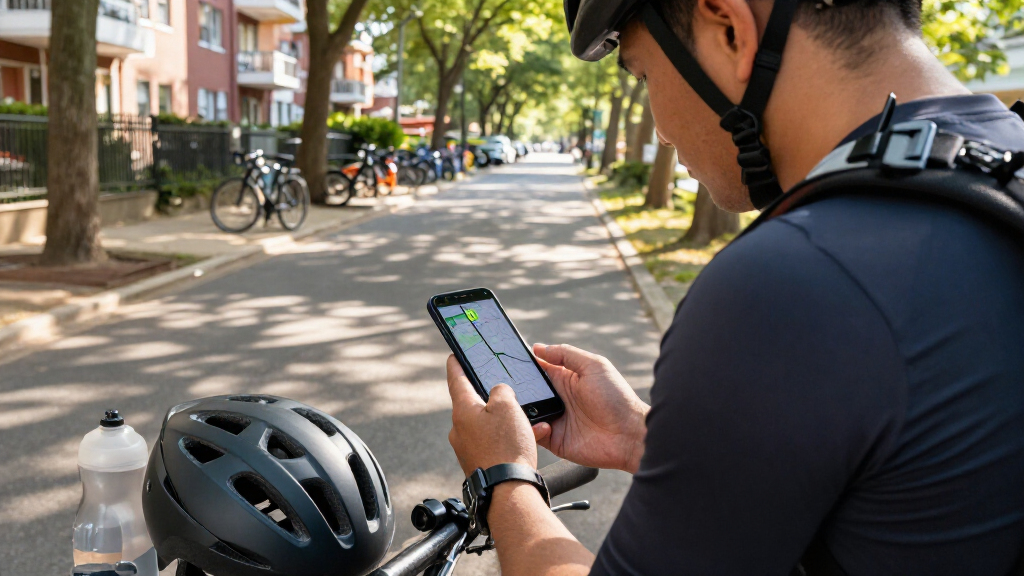
I ranked these trackers by how well their stated design fits the core job: setting a geofence and receiving useful vehicle-location alerts. I weighed connection type, power source, setup demands, listed tracking functions, weather protection, and whether the product is presented as subscription-free or tied to a service. I also treated ecosystem compatibility as a practical buying factor, since a tracker that does not work with a buyer’s phone or desired alert workflow cannot deliver much value.
The ranking favors products with a clear use case and a plausible balance of alerting, installation, and ongoing ownership demands—not the longest feature list. Bouncie takes the lead for a straightforward vehicle-monitoring role; Moto Watchdog ranks strongly for buyers who want added mileage and route data without a monthly fee. Wired units and specialized two-packs remain useful for particular installations or tracking setups, but they rank lower for buyers seeking a simple, broadly suitable vehicle geofence solution. Product names alone do not confirm alert frequency, service coverage, or ongoing fees, so I recommend checking those details before buying.
Factors to Consider When Choosing Gps Tracker With Geofencing Alerts
Choosing a tracker for geofencing is less about counting features and more about deciding how alerts will fit into your routine. I would start with the places you want to monitor, how often you need updates, and whether you can accept installation or service requirements. These factors can prevent a mismatch that a long feature list may not reveal.
Match the Geofence to the Alert You Need
A geofence is only useful if its boundaries match a real decision you need to make, such as confirming a vehicle arrived at work or noticing an unexpected departure from home. Before buying, check whether the app supports multiple zones, adjustable boundaries, and both entry and exit notifications. A tiny boundary around a dense urban location can create repeated alerts when GPS readings drift near the edge. A larger zone may reduce noise but delay awareness of a short detour. Ask whether notifications arrive promptly enough for your use, rather than assuming every tracker treats “real-time” the same way. Families may prefer a few stable zones, while fleet operators may need different zones and access for several vehicles. More alerts are not automatically better if they become easy to ignore.
Compare Ownership Costs, Not Just the Device Claim
Trackers described as subscription-free can be appealing, but the label does not by itself explain how location data reaches your phone or which functions are included. Confirm whether geofence notifications, live updates, route history, and app access all work without recurring charges. For connected cellular devices, ask about the required network service, coverage area, and any renewal terms. A paid service may be worthwhile if it provides dependable updates and a clear support path, while a no-fee option may fit buyers who can accept more limits. Do not assume that a free app means there is no ongoing service requirement. Compare the total ownership arrangement over the period you expect to keep the tracker.
Choose Power and Installation for the Vehicle
OBD-II trackers are usually attractive when quick installation and vehicle-powered operation matter, but the port may be visible and some vehicles or usage patterns may make it inconvenient. Wired trackers take more effort to install, yet can suit owners who want a more concealed setup or prefer not to occupy an OBD-II port. Magnetic battery devices can be moved between vehicles and placed without wiring, but need a plan for charging or replacement. Check whether your vehicle has a compatible OBD-II port and whether you are comfortable with a hardwired installation. Also think about access: a tracker that is easy to reach is easier to maintain, but may be less discreet. The best power source is the one you can support over time, not simply the one with the most appealing headline.
Treat Battery-Life Claims as a Usage Estimate
Long battery life is useful only when it fits the update frequency and conditions you need. Frequent location checks, poor reception, temperature changes, and alert activity can affect how long a battery-powered tracker lasts. Ask how the manufacturer defines its battery-life claim and whether the unit reports a low-battery warning. Waterproofing can help when a tracker is exposed to weather, but it does not remove the need to inspect its placement and attachment. A vehicle-powered unit avoids routine battery charging but introduces installation and compatibility considerations. Buyers who need continuous monitoring should compare power design and update behavior together rather than choosing from battery duration alone. For occasional location checks, a portable unit may be a simpler fit.
Check Phone Compatibility and Alert Sharing
Phone ecosystem compatibility can change the value of a tracker, especially when several people need access to the same vehicle alerts. Confirm that the listed app or network works with your phone and that geofence notifications are available through that setup. Apple Find My compatibility and Android support are not interchangeable, so a shared household should check every intended user’s device. Ask whether multiple users can receive alerts or whether access is tied to one account. For fleet use, check how the system handles multiple vehicles and permissions before buying several units. A tracker may still show a location while lacking the alert-sharing workflow your household or team expects. Verify the specific functions rather than relying on a broad compatibility label.
Balance Tracking Detail Against Privacy and Data Needs
Route history, mileage, and speed data can help with fleet oversight or family vehicle management, but they collect more information than a basic arrival alert. Decide which details you actually need and who should be able to view them. Check how long location history is stored, how accounts are secured, and whether access can be removed when a driver or vehicle changes hands. A tracker selected for theft recovery may need a different alert setup than one used to review business routes. More detailed monitoring can also create expectations about who is responsible for responding to notifications. Set clear access rules before installing the device, especially when other people drive the vehicle. Choose the least intrusive tracking level that still meets your purpose.
Frequently Asked Questions
Can a GPS tracker send geofence alerts without a monthly subscription?
Some listed trackers are marketed as having no monthly fee, including Moto Watchdog and several portable or magnetic options. That label does not confirm that every function, such as live tracking, route history, or geofence notifications, is available without conditions. Check how the tracker sends data to the app and whether network access, activation, or a particular phone service is required. Compare the included alert features with any paid alternatives before deciding. If uninterrupted live updates matter, verify the service details directly rather than relying on the product name or headline.
Will an OBD-II tracker work with every car?
No; an OBD-II tracker needs a compatible port, and vehicle access can vary by model, age, and port placement. Even when the connector fits, check whether the unit’s app and service support your intended vehicle and region. A plug-in tracker can be easier to set up than a wired model, but it may be visible or occupy a port you use for diagnostics. If compatibility is uncertain, confirm it with the manufacturer before ordering. A magnetic or wired tracker may be a better alternative when a suitable OBD-II setup is not available.
Are geofence alerts reliable enough to notify me immediately?
Alert timing depends on factors such as GPS reception, cellular coverage, tracker update settings, and how the app handles boundary crossings. A product description that says “real-time” does not specify a guaranteed delivery time for every location. Check whether the app lets you set entry and exit alerts and how frequently the device reports its position. For a high-stakes use, test the setup in the places where you plan to rely on it before treating alerts as the only safeguard. Poor reception or a boundary set too narrowly can lead to delayed or repeated notifications.
Should I choose a wired tracker or a magnetic battery-powered one?
A wired tracker makes more sense when you want vehicle power and are comfortable with a more involved installation. A magnetic battery-powered model suits buyers who value portability, flexible placement, or a simpler setup, but its battery needs monitoring and its update pattern may differ. Weather protection and attachment security matter for either type. Also consider whether you want the device to be easy to access for maintenance or less visible once installed. Your choice should reflect the vehicle, installation skills, and alert frequency you need—not concealment alone.
Can I share geofence alerts with other family members or drivers?
Sharing depends on the tracker’s app, account setup, and phone compatibility, so it should be confirmed before purchase. Check whether additional users can receive notifications directly or must sign in through a shared account. A two-pack designed around Apple Find My may not fit a household that relies on Android, while a product listing that mentions Android and iPhone still needs verification of the exact alert workflow. Decide who should receive alerts and whether everyone needs access to location history. For business use, also check user permissions and whether access can be changed when drivers or responsibilities change.
Conclusion
For most drivers, I would start with the Bouncie GPS Tracker as the best overall pick for straightforward vehicle monitoring, after checking its service terms and vehicle compatibility. The Moto Watchdog is my best value-style choice for buyers who want mileage, speed, and route details alongside geofencing without a monthly-fee pitch; verify exactly what its service includes. For a premium installation-focused setup, consider the Optimus Wired GPS Tracker or Spy Tec Pulse if you are prepared for wiring and want a vehicle-powered design. Beginners are better served by an OBD-II option such as Bouncie or VITALGLOW, provided their vehicle supports it. For portable or multi-vehicle needs, compare the two-pack models by phone compatibility, battery upkeep, and alert support; choose the Apple Find My option only if that ecosystem fits your household, and the Android-and-iPhone listing only after confirming its exact functions. The right choice is the one that delivers the geofence alerts you need with an installation and service arrangement you can maintain.
Fall Picks

DJI Osmo Action 4 Essential Combo Waterproof 4K Action Camera
As an affiliate, we earn on qualifying purchases.