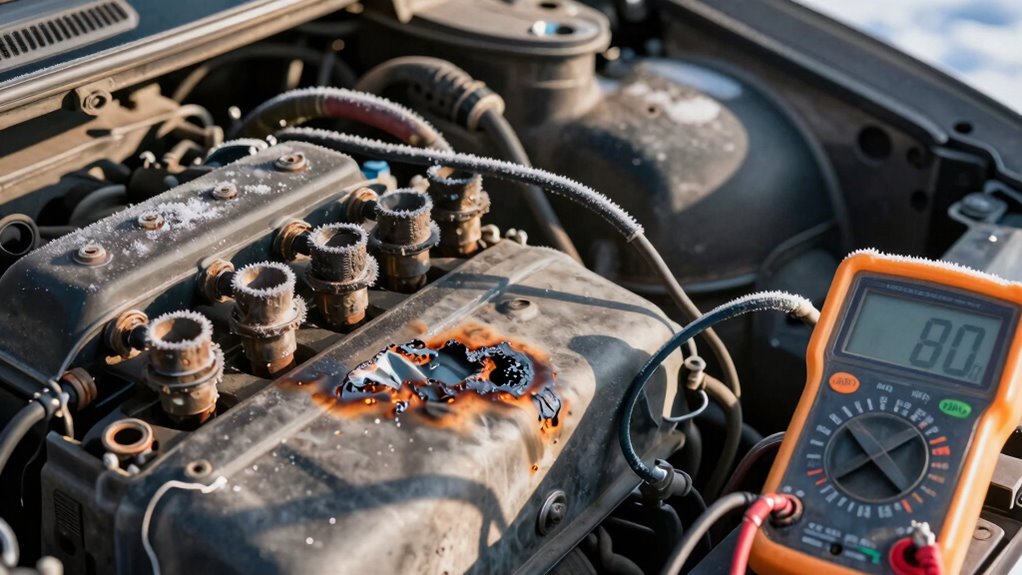

Extreme temperatures can cause your vehicle’s electronics to deteriorate over time, leading to performance issues or failures. Hot weather speeds up chemical reactions inside batteries and accelerates corrosion of connections, while cold temperatures slow down reactions and cause materials to contract. These effects can damage sensors, circuits, and other electronic parts, making your vehicle less reliable. If you want to know how to better protect your vehicle from these effects, there’s more to discover below.

Get the latest gadgets delivered free with Prime
- Fast, free delivery on millions of items
- Prime Video, Amazon Music and more included
- Member-only deals all year
Key Takeaways
- Extreme heat accelerates chemical reactions inside batteries, causing faster wear and reduced lifespan over time.
- Cold temperatures slow down chemical processes, decreasing battery efficiency and sensor responsiveness.
- Repeated temperature fluctuations induce material contraction and expansion, leading to early electronic component degradation.
- Overheating can damage delicate circuits, while cold causes lubricants to thicken and impair sensor function.
- Proper protection and maintenance help mitigate environmental damage, extending the lifespan of vehicle electronics.
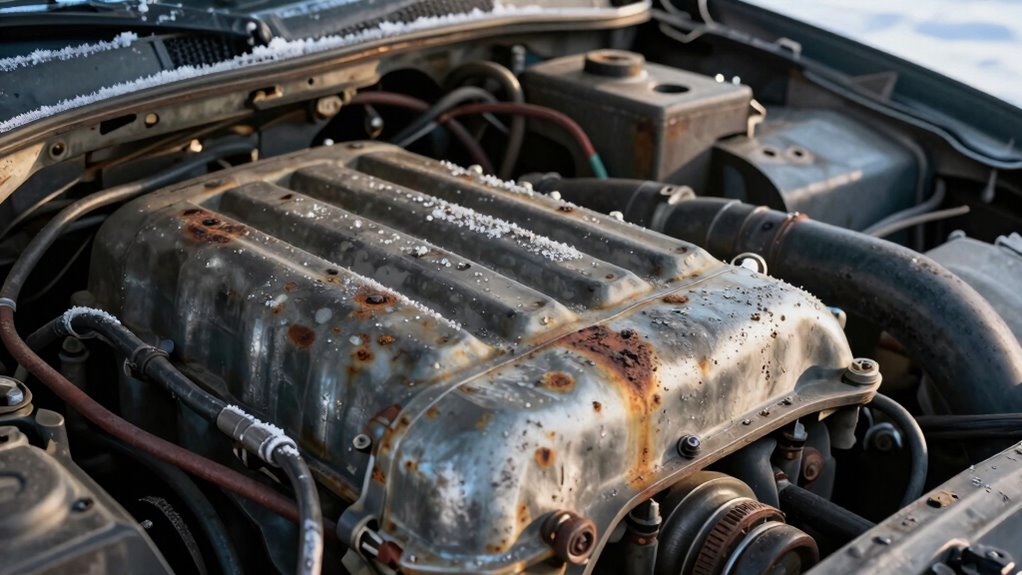
Ever wondered how extreme temperatures impact your vehicle’s electronics over time? When your car is exposed to intense heat or frigid cold, the effects aren’t just superficial—they can cause real, lasting damage to your vehicle’s electronic systems. One of the critical issues is battery degradation. In hot weather, the chemical reactions inside your battery accelerate, which might seem like a good thing initially, but it actually leads to faster wear and tear. The electrolyte inside the battery can break down more quickly, reducing its overall capacity and lifespan. Over time, you might notice your battery struggles to hold a charge or fails unexpectedly, often during the coldest mornings or hottest days. Cold weather, on the other hand, slows down these chemical reactions, which seems beneficial, but it also makes your battery less efficient. It takes more power to start your vehicle, and the reduced chemical activity can mask the battery’s true health until it’s too late. As a result, your battery ends up degrading faster due to repeated extreme temperature swings, making it less reliable and more prone to failure. Battery performance is particularly vulnerable to these temperature changes, emphasizing the importance of proper maintenance. Additionally, repeated exposure to these fluctuations can accelerate electronic component deterioration, further compromising your vehicle’s reliability. Environmental conditions can also contribute to corrosion, which can further impair electronic connections and sensors over time.
Sensor reliability is another big concern with temperature fluctuations. Modern vehicles depend heavily on sensors to monitor everything from engine performance to tire pressure. Heat can cause sensors to become inaccurate. High temperatures can lead to overheating of electronic components inside sensors, damaging their delicate circuits or causing them to give false readings. This, in turn, impacts your vehicle’s overall performance and safety systems. Cold temperatures also impair sensor function. When it’s freezing outside, the materials inside sensors contract, and lubricants can thicken, making sensors sluggish or unresponsive. This unreliable sensor data can trigger warning lights, affect engine timing, or even cause safety features like stability control or anti-lock brakes to malfunction. Over time, repeated exposure to extreme temperatures can deteriorate sensor components, leading to more frequent malfunctions and costly repairs. Additionally, the thermal stress caused by these temperature swings can accelerate the deterioration of electronic components, especially when combined with the effects of environmental factors, which can exacerbate damage. Protecting your car from extreme temperatures—whether by parking in shaded or garage areas or using protective covers—can help extend the lifespan of these crucial electronic components. Regular maintenance and inspections are also essential to catch early signs of damage, ensuring your vehicle remains dependable regardless of the weather outside.
car battery temperature protection
As an affiliate, we earn on qualifying purchases.
As an affiliate, we earn on qualifying purchases.
Frequently Asked Questions
Can Extreme Temperatures Cause Immediate Electronic Failure?
Extreme temperatures can cause immediate electronic failure by stressing components through thermal expansion or contraction. When parts expand or contract rapidly, it can crack circuits or damage electrical insulation, leading to short circuits or complete failure. Cold temperatures make materials brittle, increasing the risk of cracks, while heat can weaken insulation. You might notice sudden malfunctions or system shutdowns as a direct result of these thermal stresses impacting your vehicle’s electronics.
How Do Vehicle Electronics Recover After Temperature Fluctuations?
When vehicle electronics experience temperature fluctuations, they often recover through their built-in electronic resilience. Thermal expansion can temporarily affect connections and components, but once temperatures stabilize, these parts usually return to normal function. Your vehicle’s systems are designed to handle such shifts, allowing electronic components to adapt and recover quickly. Proper maintenance and avoiding extreme conditions can further support this resilience, ensuring your electronics keep working smoothly over time.
Are Certain Vehicle Models More Resistant to Temperature Damage?
You notice some models, like rugged SUVs, handle temperature swings better, thanks to their superior material durability and design resilience. These vehicles often feature advanced insulation, heat-resistant components, and better sealing, making them more resistant to temperature damage. Coincidentally, their robust design means they’re more likely to withstand extreme heat and cold, keeping your electronics safer over time and reducing repair costs.
What Maintenance Can Prevent Temperature-Related Electronic Issues?
You can prevent temperature-related electronic issues by regularly inspecting and maintaining thermal insulation and cooling systems. Guarantee insulation materials are intact to shield electronics from extreme temperatures. Keep cooling systems, like fans and radiators, clean and functioning properly to prevent overheating. Use protective covers in cold weather to prevent freezing. Regular maintenance helps electronics operate within safe temperature ranges, extending their lifespan and reducing the risk of costly failures caused by heat or cold.
Do Aftermarket Modifications Affect Temperature Sensitivity?
Did you know that 70% of vehicle owners who install aftermarket upgrades notice changes in temperature resilience? Yes, aftermarket modifications can impact your vehicle’s electronics by potentially increasing their sensitivity to extreme temperatures. While some upgrades improve performance, others might weaken electronic components’ ability to withstand heat or cold. It’s essential to choose quality parts and guarantee proper installation to maintain ideal temperature resilience and prevent electronic issues over time.
vehicle electronic sensor protectors
As an affiliate, we earn on qualifying purchases.
As an affiliate, we earn on qualifying purchases.
Conclusion
Understanding how heat and cold impact your vehicle’s electronics can save you money and headaches. Did you know that extreme temperatures can reduce battery life by up to 50%? By taking simple precautions, like regular inspections and proper maintenance, you can extend the lifespan of your electronic systems. Don’t let harsh weather catch you off guard—being proactive keeps your vehicle running smoothly, no matter the season. Stay informed, stay protected.
car electronic component cooling fan
As an affiliate, we earn on qualifying purchases.
As an affiliate, we earn on qualifying purchases.
automotive corrosion prevention spray
As an affiliate, we earn on qualifying purchases.
As an affiliate, we earn on qualifying purchases.
Halloween Picks
halloween
As an affiliate, we earn on qualifying purchases.