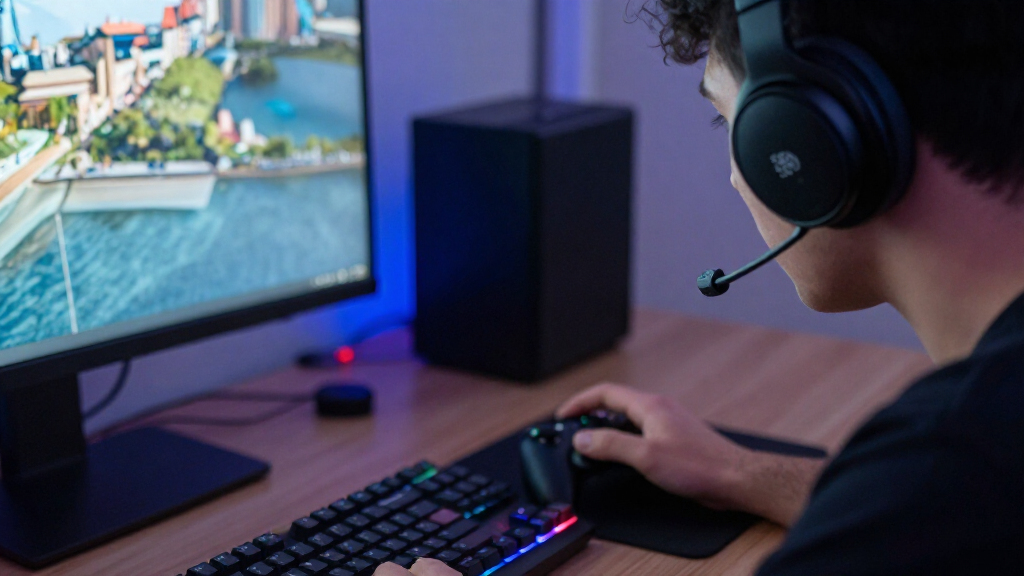
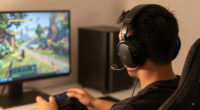
Set up your wireless gaming headset so you can hear game audio and use voice chat on a PC or console. This beginner guide covers checking compatibility, pairing or connecting the headset, adjusting audio settings, and testing the microphone. Allow 15–30 minutes, including time to charge the headset and troubleshoot a connection if needed.

Get the latest gadgets delivered free with Prime
- Fast, free delivery on millions of items
- Prime Video, Amazon Music and more included
- Member-only deals all year

SteelSeries Arctis Nova 7P Wireless Gen 2 Gaming Headset, Black
- ✔ Connectivity: 2.4GHz wireless and Bluetooth; compact USB-C dongle
- ✔ Battery: Up to 50 hours
- ✔ Charging: USB-C fast charge

Acer Tri-Mode Wireless Gaming Headset with Bluetooth 5.4, 50mm Drivers, and Detachable ENC Mic
- ✔ Connection modes: 2.4GHz wireless, Bluetooth 5.4, and 3.5mm wired
- ✔ Drivers: 50mm dynamic drivers
- ✔ Microphone: Detachable ENC

Logitech G733 LIGHTSPEED Wireless Gaming Headset, Black
- ✔ Wireless: 2.4GHz LIGHTSPEED
- ✔ Range: Up to 20 meters
- ✔ Battery: Up to 29 hours; varies with use and lighting
Difficulty: Beginner | Time: 15–30 minutes
What You’ll Need
Tools & Materials:
- Wireless gaming headset and any included USB transmitter or charging cable
- PC, PlayStation, Xbox, Nintendo Switch, or phone you plan to use
- A compatible USB port or Bluetooth connection, depending on the headset
- A game or audio app for testing sound and microphone
Knowledge:
- Basic ability to open device settings and select audio devices
- The gaming device model and headset model
Check the headset manual or manufacturer’s compatibility list before setup. Wireless headsets may connect through a USB transmitter, Bluetooth, or a console-specific wireless protocol. A headset that works with one console may not support another, even if its connector fits. Charge the headset first, and keep the manual available for pairing instructions.
SteelSeries Arctis Nova 7P Wireless Gen 2 Gaming Headset, Black
The Arctis Nova 7P Gen 2 is the strongest all-round choice here for players who move between console, PC, handheld, and phone audio. Its 2.4GHz wireless connection handles game sound while Bluetooth can play mobile audio at the same time, so we can keep a call or other phone audio in the mix without giving up the game connection. That simultaneous use is a more meaningful distinction than simply having Bluetooth available.Its stated up to 50-hour battery life is the longest in this group, and USB-C fast charging helps when a session outlasts the charge. SteelSeries also lists more than 200 game-specific EQ presets and 360° Spatial Audio support, giving players options to tune game sound. The retractable ClearCast Gen 2 microphone keeps the boom out of the way when we are not chatting. Its steel frame and AirWeave memory foam cushions are designed for extended wear, though fit is personal and the listed weight is 11.52 ounces.Compared with Acer, SteelSeries offers more seamless wireless mixing, while Acer is the one with a 3.5mm wired mode. A practical caveat is that the 7P connects wirelessly through a USB-C dongle; an adapter is included for USB-A ports. Some enhanced microphone noise-reduction features require a PC, so console players should not assume every mic enhancement is available on every platform. Choose it for the broadest wireless feature set; skip it if a wired Xbox connection is essential.
Pros:
- Mixes 2.4GHz game audio with Bluetooth audio simultaneously.
- Up to 50 hours of stated battery life with USB-C fast charging.
- Retractable noise-rejecting microphone and broad console, PC, handheld, and mobile support.
- Steel frame, AirWeave memory foam cushions, spatial audio support, and extensive game EQ presets.
Cons:
- Wireless play depends on a USB-C dongle, with an adapter needed for USB-A ports.
- Some enhanced microphone noise reduction features require a PC.
- No 3.5mm wired connection is listed.
Best for: Multi-platform players who want game and Bluetooth audio playing together, long intervals between charges, and a retractable mic.
Not ideal for: Players who need 3.5mm wired Xbox support or expect all microphone noise-reduction features to work on console.
Bottom line: For a flexible wireless gaming setup across devices, the Arctis Nova 7P Gen 2 offers the most complete combination in this comparison.
“For a flexible wireless gaming setup across devices, the Arctis Nova 7P Gen 2 offers the most complete combination in this comparison.”
Acer Tri-Mode Wireless Gaming Headset with Bluetooth 5.4, 50mm Drivers, and Detachable ENC Mic
Acer’s Tri-Mode headset suits buyers who want more than one way to connect. It offers 2.4GHz wireless, Bluetooth 5.4, and 3.5mm wired audio, which gives us a fallback if a wireless receiver is inconvenient or a device setup calls for a cable. That wired mode also makes it the clearest pick in this group for Xbox: the listed Xbox Series X|S and controller compatibility is through 3.5mm, while the wireless compatibility list covers PS5, PS4, PC, Mac, Switch, and mobile.The detachable ENC microphone and physical controls make it easy to remove the mic when chat is not needed and adjust settings without reaching for software. A self-adjusting suspension headband and breathable sports-mesh cushions are designed for long sessions. Battery life is listed at up to 45 hours with the logo light off, but falls to up to 20 hours with it on. We should treat those figures as a choice between longer runtime and keeping the lighting active, not as one consistent result.Compared with SteelSeries, Acer trades simultaneous game-and-phone audio for its wired option and detachable mic. Compared with Logitech, it adds Bluetooth and wired connectivity, but does not list a PC voice-filter feature like Blue VO!CE. The 50mm dynamic drivers describe the hardware, but do not by themselves establish a sound advantage. Choose Acer when connection fallback and removable chat hardware matter; skip it if wireless Xbox support or long battery life with the logo light on is a priority.
Pros:
- Three modes: 2.4GHz wireless, Bluetooth 5.4, and 3.5mm wired.
- Detachable ENC microphone and convenient physical controls.
- Suspension headband and breathable mesh cushions are designed for extended wear.
- Can be used while charging over USB-C.
Cons:
- Xbox Series X|S and controller support is limited to the 3.5mm wired connection.
- Listed battery life drops from up to 45 hours to up to 20 hours with the logo light on.
- The feature details do not specify simultaneous 2.4GHz and Bluetooth audio mixing.
Best for: Players switching between wireless devices and wired audio, especially Xbox owners comfortable using a 3.5mm connection.
Not ideal for: Xbox players who need wireless play, or anyone who wants the longest runtime while keeping the logo light on.
Bottom line: Acer is the practical choice when wired backup matters as much as wireless play, provided its Xbox and lighting limits fit your setup.
“Acer is the practical choice when wired backup matters as much as wireless play, provided its Xbox and lighting limits fit your setup.”
Logitech G733 LIGHTSPEED Wireless Gaming Headset, Black
The Logitech G733 LIGHTSPEED is a focused pick for PC players who want a lightweight headset with customizable looks and microphone processing. It weighs 278 g and uses a reversible suspension headband with dual-layer memory foam earcups, a combination intended to keep extended sessions comfortable. Dual-zone LIGHTSYNC RGB adds visual customization, while Blue VO!CE offers voice filters for chat. Those PC-oriented controls give the G733 a different role from the more connection-flexible Acer and the cross-device audio mixing of SteelSeries.Its 2.4GHz LIGHTSPEED wireless connection has a stated range of up to 20 meters, and battery life is listed at up to 29 hours. That is shorter than both SteelSeries’ 50-hour figure and Acer’s 45-hour figure with lighting off. Logitech notes that battery life varies with use and lighting settings, so players who keep RGB enabled should expect the lighting choice to affect runtime. The headset uses 40mm PRO-G drivers, but the listed driver size alone does not tell us how it will sound with a particular game or music mix.For buyers comparing it with the other two, the G733 makes more sense when PC voice customization and RGB matter more than wired backup or mobile-audio mixing. Its compatibility list includes PC, PS5, PS4, and Nintendo Switch, but the product details specify stereo play on PS4. It is not the best match for someone seeking three connection modes or the longest time between charges. Choose it for a lightweight, customizable PC setup; look to Acer for 3.5mm flexibility or SteelSeries for broader wireless features.
Pros:
- LIGHTSPEED 2.4GHz wireless range listed up to 20 meters.
- Reversible suspension headband and dual-layer memory foam earcups.
- Blue VO!CE voice filters and customizable dual-zone RGB lighting.
- Listed compatibility includes PC, PS5, PS4, and Nintendo Switch.
Cons:
- Up to 29 hours of battery life is shorter than the listed figures for the other two picks.
- Battery life varies with use and lighting settings.
- PS4 stereo play is specified; a 3.5mm wired mode is not listed.
Best for: PC gamers who want a lightweight suspension fit, customizable RGB lighting, and Blue VO!CE microphone filters.
Not ideal for: Buyers who need a 3.5mm wired option, simultaneous Bluetooth and game audio, or the longest listed battery life.
Bottom line: The G733 is a distinctive PC-centered option for comfort and customization, with fewer connection choices and less stated battery life than its rivals.
“The G733 is a distinctive PC-centered option for comfort and customization, with fewer connection choices and less stated battery life than its rivals.”
As an Amazon Associate we earn from qualifying purchases.
Before You Start
Check the connection type before plugging anything in. If the headset came with a USB transmitter, use that transmitter unless its manual says otherwise; it may provide lower-latency audio and microphone support than Bluetooth. Some consoles do not support ordinary Bluetooth audio headsets. Keep the headset and transmitter near the gaming device during setup, and turn off other nearby audio devices that might connect automatically.
Step-by-Step Instructions
Step 1: Charge the headset
Connect the headset to its supplied charging cable or place it on its charging dock. Leave it charging until its indicator shows a full charge, or until the time stated in the manual has passed. If the headset has a removable battery, check that it is seated correctly.
Tip: Use the supplied cable or a compatible charger. Do not assume that a blinking light means the headset is fully charged; check the manual’s indicator guide.
Check: The headset powers on and shows a full or adequate charge according to its indicator or companion app.
Step 2: Connect the headset to the gaming device
For a USB transmitter headset, plug the transmitter directly into a USB port on the gaming device, then turn on the headset. For Bluetooth, open the device’s Bluetooth settings, put the headset into pairing mode using the manual’s instructions, and select the headset name when it appears. If the headset has a console mode switch, set it to the mode specified for your device.
Tip: A transmitter may have a PC and console setting or a USB-A to USB-C adapter. Use the setting and adapter listed for your device. Avoid USB hubs during initial setup because they can interfere with power or detection.
Check: The console or computer detects the headset or transmitter, and the headset shows a connected indicator.
Step 3: Select the headset for game audio
Open the device’s sound or audio settings and choose the headset as the output device. On a PC, check both the system sound settings and the game’s audio menu. On a console, open its audio or accessories settings and select the headset where available. Start with a moderate volume level.
Tip: Some headsets create separate game and chat audio devices. If you see two headset options, consult the manual and select the one intended for game audio.
Check: A system sound, menu sound, or game sound plays through the headset rather than the device speakers.
Step 4: Set the microphone input
In the system’s audio or chat settings, choose the headset microphone as the input device. On a PC, also open the game or voice-chat app and select that microphone there. Lower or mute the microphone while you adjust it, then position the boom mic near the corner of your mouth if the headset has one.
Tip: Check the headset’s physical mute switch and any flip-to-mute feature. A correctly selected microphone can still be muted at the headset, system, or app level.
Check: The input meter moves when you speak, or a voice-chat test records your voice clearly.
Step 5: Adjust volume and chat balance
Use the headset controls or device settings to set a comfortable listening level. If the headset has a game and chat balance control, play game audio and join a test call, then adjust the balance until both are easy to hear. Change one control at a time so you can tell which setting affects the sound.
Tip: Keep the volume low while testing, then raise it gradually. Check whether the headset has separate controls for overall volume and chat balance.
Check: Game audio is clear, voices are audible, and neither source overwhelms the other.
Step 6: Test the connection in a game or chat app
Launch a game or voice-chat app and listen for audio while speaking into the microphone. Ask a teammate to confirm that your voice is clear, or use the app’s microphone test. Walk a short distance from the device and back to check that the connection remains stable within your usual gaming area.
Tip: Keep the transmitter in an open USB port with a clear path to the headset. Walls, metal objects, and nearby wireless equipment can reduce range or cause dropouts.
Check: You hear game sound without dropouts, other people hear your voice, and you can hear their replies.
Step 7: Save settings and check the headset controls
Save any changes in the system or game settings. Test the headset’s power, mute, volume, and chat controls so you know how to use them during play. If the manufacturer provides a companion app, check for firmware updates and apply them following its instructions.
Tip: Keep the headset charged and store the transmitter with the headset so it is ready for the next session.
Check: The headset reconnects after a brief power cycle, and its basic controls behave as expected.
Common Mistakes to Avoid
- Assuming every wireless headset works with every console. — Check the headset’s compatibility list for your exact console or device before setup. Confirm whether a console-specific version or transmitter is required.
- Selecting the headset for output but leaving the built-in microphone selected. — Set both the output and input devices in system settings and in the game or chat app. Speak and watch the input meter before joining a match.
- Leaving the headset or app muted. — Check the headset mute control, system mute status, and app microphone settings when voice chat does not work.
- Connecting the transmitter through a hub or placing it behind an obstructed console. — Connect it directly to the device during setup and keep it in an open position when possible.
Troubleshooting
Problem: The device does not detect the headset.
Solution: Confirm that the headset is charged and on, reseat the transmitter, and check its mode switch. Try another USB port, then restart the headset and gaming device. For Bluetooth, remove an old pairing entry and pair again using the manual’s instructions.
Problem: You hear no game audio.
Solution: Select the headset as the output device in both system and game settings. Raise the headset and system volume, check for a mute setting, and confirm that the game is sending audio to the selected device.
Problem: Other people cannot hear you.
Solution: Select the headset microphone as the input in the system and app, unmute the headset, and check the app’s voice-chat permissions. Speak near the mic and confirm that its input meter responds.
Problem: Audio cuts out, lags, or sounds distorted.
Solution: Move closer to the transmitter, remove obstacles, and connect the transmitter directly to the device. Charge the headset and reduce nearby wireless interference by moving other wireless devices away. If the issue continues, reconnect or re-pair the headset.
What Success Looks Like
The setup is complete when the gaming device consistently routes game audio to the headset, the headset microphone registers your voice, and you can hear and speak in a game or chat app. The connection should remain stable within your normal playing area, and the mute and volume controls should work.
Next Steps
Charge the headset after long sessions and store it in a dry, safe place with its transmitter. If you use it with more than one device, follow the manual to switch devices or pair it with each one; some headsets store multiple pairings, while others require a fresh connection. Repeat the audio and microphone checks after changing devices, updating firmware, or changing chat settings.
Frequently Asked Questions
Can I connect any wireless gaming headset to a console with Bluetooth?
No. Console support varies, and many consoles do not accept standard Bluetooth audio headsets. Check the headset and console compatibility information; a supported USB transmitter or console-specific headset may be required.
Should I use Bluetooth or the included USB transmitter?
Use the connection recommended for your device. A supplied gaming transmitter often supports the headset’s microphone and may reduce audio delay. Bluetooth can work well with compatible PCs and phones, but support and latency vary.
Why can I hear the game but nobody can hear me?
The output may be set correctly while the microphone input is not. Select the headset microphone in the device and chat app, then check the headset’s mute switch and the app’s voice-chat permissions.
Why does the headset connect but have a delay?
Bluetooth audio can add delay, and wireless interference can make it worse. If the headset includes a gaming transmitter, switch to that connection when your device supports it. Keep the transmitter near the headset and away from obstructions.