

Relying on “I’ve never had a problem before” is a risky safety approach because it assumes past success means future safety, which isn’t true. Hazards change, and new risks can pop up unexpectedly. This mindset can make you overlook needed safety measures and stop you from regularly evaluating processes. To stay safe, you need ongoing vigilance and adaptable practices. If you want to discover how to prevent complacency and stay protected, keep exploring these essential strategies.

Get the latest gadgets delivered free with Prime
- Fast, free delivery on millions of items
- Prime Video, Amazon Music and more included
- Member-only deals all year
Key Takeaways
- Relying on past safety records ignores the evolving nature of hazards and new risks that can emerge unexpectedly.
- The “never had a problem” mindset fosters complacency and diminishes ongoing risk assessments.
- Safety is a continuous process; past success does not guarantee future safety.
- Ignoring potential hazards can lead to overlooked vulnerabilities and prevent proactive measures.
- Building a strong safety culture requires vigilance and regular updates, regardless of previous safety performance.
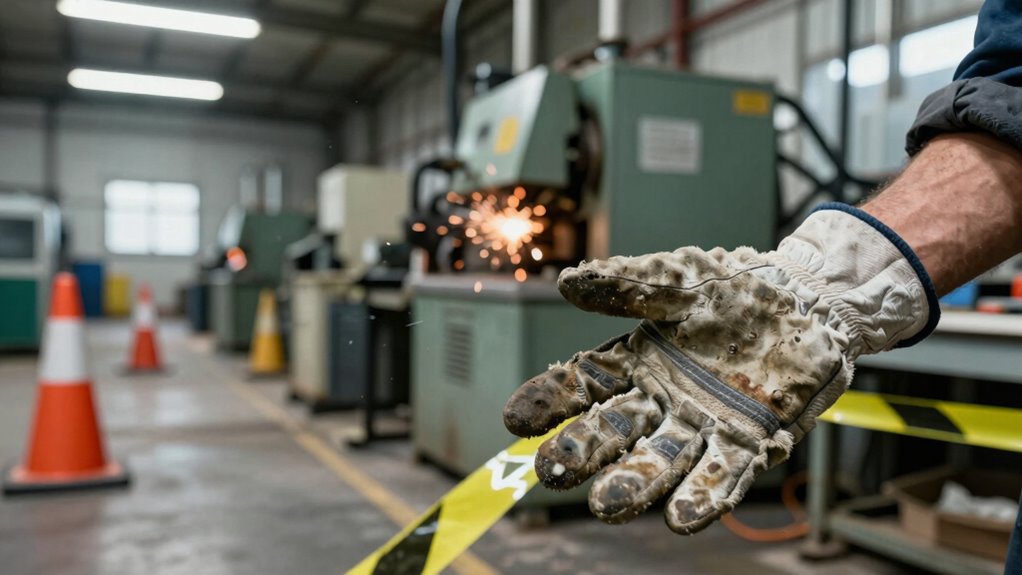
Developing a safety strategy is essential for protecting your team and assets, but it’s easy to fall into common pitfalls that undermine your efforts. One of the most dangerous is relying on the mindset of “I’ve never had a problem before.” This approach suggests that because nothing has gone wrong up to now, your safety measures are sufficient. However, this mindset can lead to complacency, where you underestimate the importance of ongoing risk assessment and continuous improvement. Just because you haven’t experienced an incident doesn’t mean your environment is risk-free. Hazards evolve, and new risks can emerge unexpectedly.
A strong safety culture isn’t built on assumptions or past successes; it depends on proactive risk assessment. You need to regularly evaluate your processes, equipment, and work environment for potential hazards. Relying solely on historical safety records ignores the possibility of future incidents. If you believe your team is safe because they’ve never been injured, you might overlook small, overlooked risks that could escalate. A thorough risk assessment helps you identify vulnerabilities before accidents happen, fostering a mindset of vigilance rather than complacency. Utilizing digital tools can enhance your ability to monitor and respond to emerging risks more effectively. Additionally, embracing continuous improvement practices ensures your safety measures evolve with changing conditions.
Proactive risk assessment identifies vulnerabilities, fostering vigilance and preventing complacency in safety management.
Your safety culture plays a pivotal role here. It’s about creating an environment where safety is prioritized, and everyone feels responsible for maintaining it. When you adopt an “I’ve never had a problem before” attitude, you risk sending a message that safety is less important once things seem to be going smoothly. This can demotivate employees from following safety protocols or reporting hazards, thinking it’s unnecessary. Instead, you should cultivate a culture that values regular safety training, open communication about risks, and continuous improvement. This mindset encourages your team to stay alert and proactive, rather than assuming safety is guaranteed. Recognizing that hazards are dynamic helps reinforce the need for ongoing vigilance and adaptation.
Furthermore, understanding that risk landscapes are constantly changing emphasizes the importance of not resting on past safety achievements. Thinking that past safety performance guarantees future safety is a dangerous misconception. You must understand that hazards are dynamic, and risks can increase or change without warning. Relying on history alone ignores the importance of ongoing risk assessment and a strong safety culture. It’s essential to recognize that safety isn’t a one-time achievement but an ongoing process. Maintaining vigilance, updating procedures, and fostering a safety-first environment keep your team protected, regardless of how safe things might seem now. The most resilient safety strategies are those built on continuous evaluation and a shared commitment to preventing accidents, not on the false security of “nothing has gone wrong before.”
digital safety risk assessment tools
As an affiliate, we earn on qualifying purchases.
As an affiliate, we earn on qualifying purchases.
Frequently Asked Questions
How Can We Identify When This Safety Mindset Is Dangerous?
You can spot when this safety mindset becomes dangerous by noticing complacency during risk assessments and safety training. If you or your team overlook hazards because of past safety records, it’s a red flag. When safety protocols are skipped or ignored, despite no previous incidents, it shows overconfidence. Regularly reviewing risk assessments and emphasizing ongoing safety training helps catch these dangerous mindsets before accidents happen.
What Are Alternative Safety Strategies to Consider?
Think of safety culture like a garden—you need constant care and attention. Instead of relying on past safety records, focus on fostering risk awareness through regular training, open communication, and proactive hazard assessments. Encourage team members to speak up about concerns and learn from near-misses. These strategies help you stay vigilant, adapt to new risks, and cultivate a safety-first environment where everyone actively contributes to safer practices.
How Does Complacency Develop in Safety Practices?
Complacency develops in safety practices when you stop actively practicing risk awareness, believing past safety success guarantees future safety. Over time, complacency traps you into overlooking hazards, thinking “it’s worked before, so it’s safe now.” This mindset diminishes vigilance, making you less alert to potential dangers. To prevent this, stay consistently aware of risks, challenge your assumptions, and continuously reinforce safety protocols, even during routine tasks.
Who Should Be Responsible for Challenging This Mindset?
Like Icarus flying too close to the sun, you should challenge this mindset by embracing leadership accountability and ongoing training reinforcement. You’re responsible for fostering a safety-first culture, ensuring complacency doesn’t set in. By actively questioning assumptions and encouraging open dialogue, you keep safety sharp. It’s up to you to lead by example, reminding everyone that even if problems haven’t occurred before, vigilance remains essential for preventing future incidents.
What Are the Long-Term Consequences of Ignoring Safety Protocols?
Ignoring safety protocols can lead to serious long-term consequences, including accidents, injuries, and even fatalities. Your lack of risk assessment might cause you to underestimate hazards, weakening the safety culture on your team. Over time, this complacency can foster a dangerous environment where safety isn’t prioritized, increasing the likelihood of preventable incidents. Prioritizing safety protocols helps protect everyone, ensuring a healthier, safer workplace for the future.
workplace hazard monitoring devices
As an affiliate, we earn on qualifying purchases.
As an affiliate, we earn on qualifying purchases.
Conclusion
Remember, relying on “I’ve never had a problem before” can be a dangerous mindset. Over 80% of workplace accidents happen to those with no previous incidents, proving that complacency can be costly. Safety isn’t just about avoiding trouble — it’s about proactively protecting yourself and your colleagues. Don’t wait for a warning sign; prioritize safety every day. Stay vigilant, because one overlooked risk can change everything in an instant.
safety training and assessment software
As an affiliate, we earn on qualifying purchases.
As an affiliate, we earn on qualifying purchases.
hazard identification and safety management kits
As an affiliate, we earn on qualifying purchases.
As an affiliate, we earn on qualifying purchases.
Halloween Picks
halloween
As an affiliate, we earn on qualifying purchases.