
To think about fall prevention at home holistically, focus on creating a safe, supportive environment that boosts your confidence and health. Clear pathways, install good lighting, and use safety devices like handrails and assistive tools. Stay active with balance exercises, manage health issues, and schedule regular check-ups. Adapt your space to your changing needs and promote independence. Exploring these interconnected strategies can help you stay safe and secure at home—there’s more to discover that can make a difference.

Get the latest gadgets delivered free with Prime
- Fast, free delivery on millions of items
- Prime Video, Amazon Music and more included
- Member-only deals all year
Key Takeaways
- Integrate home safety modifications with health management and regular medical check-ups.
- Promote physical activity and balance exercises to enhance strength and stability.
- Use assistive devices appropriately while maintaining independence and confidence.
- Regularly assess and adapt the living environment to evolving mobility needs.
- Foster overall well-being by encouraging active living, confidence, and holistic safety awareness.
Have you ever considered how simple changes around your home can prevent falls and keep you safe? When thinking about fall prevention, it’s easy to focus solely on specific hazards, but a comprehensive approach considers every aspect of your environment and your well-being. Home safety isn’t just about removing clutter or installing grab bars; it’s about creating a space that supports your independence and enhances elderly mobility. This means evaluating your entire living space and addressing risks in a way that promotes confidence and reduces fear of falling.
Simple home changes can prevent falls and support independence for safer, confident living.
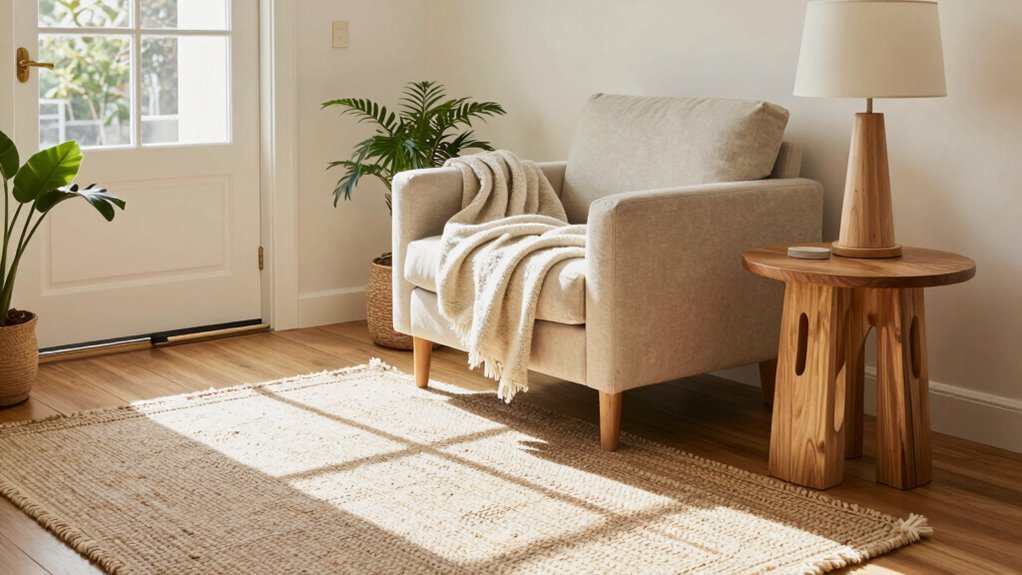
To start, consider the layout of your home. Clear pathways to essential areas like the bathroom, kitchen, and bedroom. Remove loose rugs, cords, or furniture that could cause trips. Good lighting is essential; install bright, even lighting in hallways, staircases, and entryways to help you see obstacles clearly. If you have stairs, make sure they have sturdy handrails on both sides and non-slip treads. Good home safety involves creating a reliable environment that adapts to your changing mobility needs, fostering a sense of security. Incorporating home safety assessments can help identify potential hazards you might overlook. These assessments are often performed by professionals trained to spot risks that may not be immediately apparent.
Beyond physical adjustments, it’s important to think about your daily routines and how they influence your fall risk. Staying active is indispensable for maintaining balance and strength, which directly impacts elderly mobility. Incorporate exercises like walking, tai chi, or strength training into your routine. These activities improve muscle tone, coordination, and confidence in movement. When you’re physically stronger and more balanced, you’re less likely to fall, even if an accident occurs. Engaging in balance exercises regularly can further enhance stability and reduce falls. Additionally, understanding fall prevention strategies can empower you to take proactive measures to stay safe. Recognizing and addressing home hazards proactively can further reduce your risk.
Furthermore, consider how your health influences fall prevention. Regular check-ups can identify issues like vision problems, medication side effects, or chronic conditions that may increase fall risk. Managing these health factors is a key part of a comprehensive approach. Be mindful of medications that cause dizziness or drowsiness, and discuss alternatives with your healthcare provider if necessary. Recognizing health factors that contribute to falls helps you take proactive steps to reduce risks.
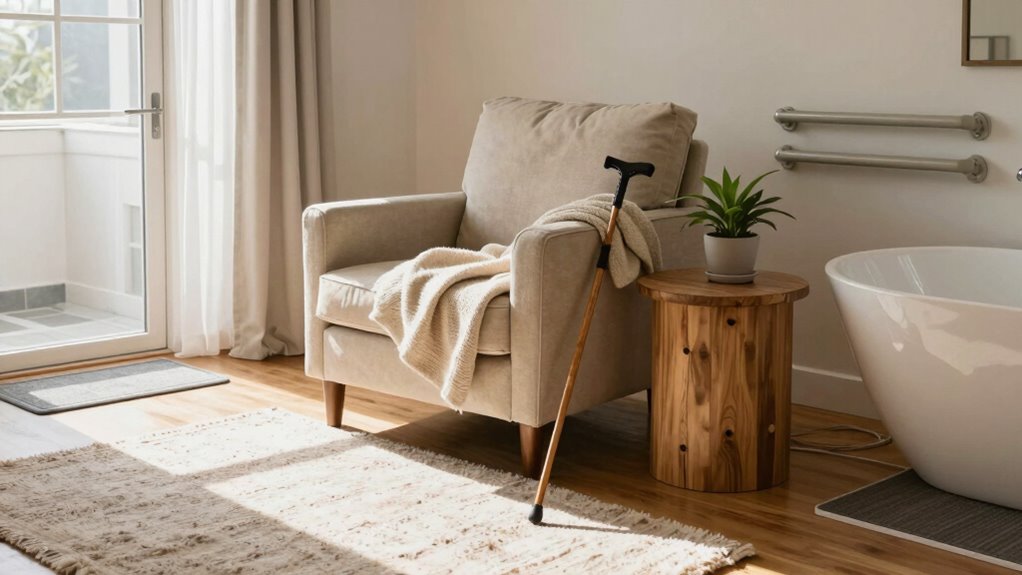
Finally, foster a safe environment by encouraging independence while recognizing your limits. Use assistive devices like walkers or canes if needed, and ensure they’re properly maintained. Keep emergency numbers handy and consider installing a personal alert system for added safety. A holistic view of fall prevention isn’t just about physical modifications; it’s about supporting your overall health, confidence, and mobility. When you think about your home as a dynamic space that adapts to your needs, you create a safer environment that promotes active, independent living well into the future.
As an affiliate, we earn on qualifying purchases.
Frequently Asked Questions
How Can Mental Health Impact Fall Risk at Home?
Your mental health awareness directly impacts your fall risk at home. Poor mental health can cause balance issues, slower reaction times, and decreased focus, increasing the chance of falls. Building emotional resilience helps you stay alert and manage anxiety or depression that might compromise your safety. Prioritizing mental well-being, staying active, and seeking support can reduce fall risks, creating a safer, more confident environment at home.
What Role Does Nutrition Play in Fall Prevention?
Ironically, your diet can be your best or worst fall prevention tool. Nutritional deficiencies, like lacking vitamin D or calcium, weaken bones, making falls more dangerous. Poor dietary habits, such as skipping meals or ignoring nutrient-rich foods, can sap your strength and coordination. By prioritizing balanced nutrition and avoiding deficiencies, you build stronger bones and muscles, reducing fall risk. Good eating habits aren’t just for health — they’re your fall safety net.
How Can Technology Assist in Fall Prevention Efforts?
Technology helps you prevent falls by using smart sensors and wearable devices that monitor your movements and environment. Smart sensors can detect hazards like clutter or uneven surfaces, alerting you to potential risks. Wearable devices track your balance and gait, providing real-time feedback or alerts if instability is detected. These tools empower you to take proactive steps, improve safety, and stay independent by addressing risks before falls happen.
Are There Community Resources for Holistic Fall Prevention?
Yes, community centers often offer local workshops focused on holistic fall prevention, providing valuable education and support. You can participate in classes covering balance exercises, home safety, and nutrition, all tailored to help prevent falls. These resources foster community engagement and empower you to take proactive steps. Check your local community centers or public health departments for schedules and programs designed to enhance your safety and well-being.
How Does Sleep Quality Influence Fall Risk?
Poor sleep quality increases your fall risk because disrupted sleep, like irregular dream patterns, impairs your coordination and judgment. By practicing good sleep hygiene—such as maintaining a consistent bedtime and reducing screen time—you help stabilize your sleep cycles. When you get better rest, your balance and reflexes improve, making falls less likely. Remember, quality sleep isn’t just restful—it’s an essential part of holistic fall prevention.
As an affiliate, we earn on qualifying purchases.
Conclusion
Now, imagine your home as a sanctuary where every step you take is safe, every surface secure. But what if the unseen risks are closer than you think? The next move you make could be the difference between stability and a fall. Don’t wait until it’s too late—take action now. Because when it comes to your safety, being proactive isn’t just smart; it’s life-changing. Are you ready to make that change today?
As an affiliate, we earn on qualifying purchases.
As an affiliate, we earn on qualifying purchases.
Fall Picks
fall essentials
As an affiliate, we earn on qualifying purchases.