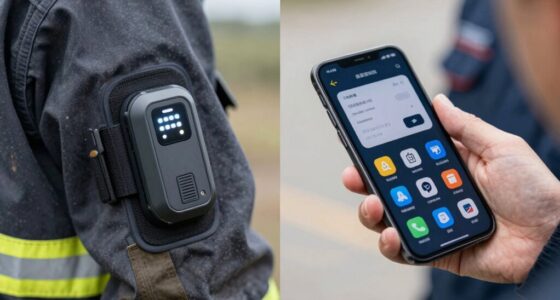
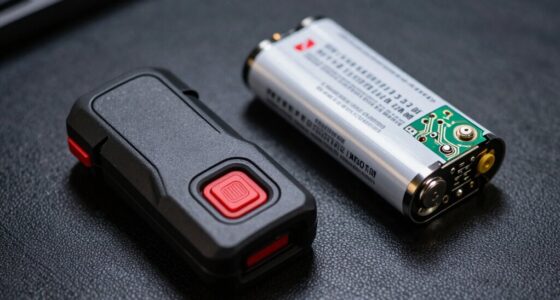
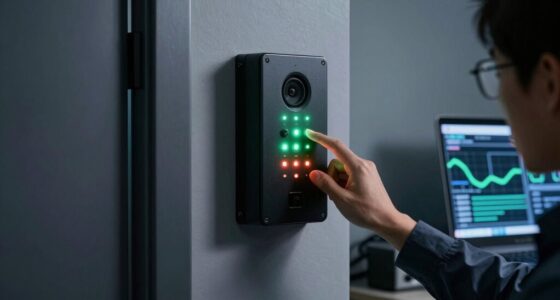
A panic button can quickly alert security or emergency contacts when you’re in danger, helping you get immediate assistance. However, it can’t prevent the emergency itself or guarantee instant rescue. Its effectiveness depends on proper placement, reliable technology, and your understanding of how to use it. Remember, a panic button is just one safety tool; there are additional steps and precautions to contemplate for better protection. Learn more about maximizing its safety benefits now.
Key Takeaways
- Panic buttons instantly alert security or emergency contacts but do not guarantee immediate rescue.
- They can trigger alarms and notifications but cannot prevent emergencies or threats from occurring.
- Proper placement, device maintenance, and user training are essential for effective operation.
- They serve as part of a broader safety system and should not be solely relied upon for security.
- External factors like network reliability can affect their effectiveness in emergency situations.
What Are Panic Buttons, and How Do They Help?
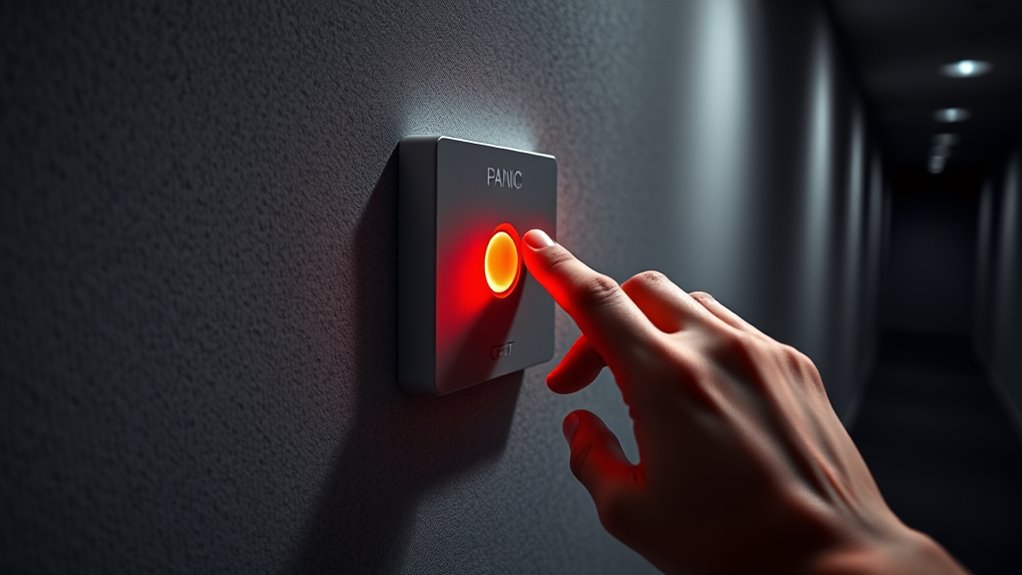
Have you ever wondered how a simple press can bring immediate help in emergencies? Panic buttons are a crucial part of security technology designed to alert others instantly when you’re in danger. They come in various forms, from wearable devices to installed wall-mounted buttons. When pressed, they send an immediate alert to security personnel, monitoring centers, or emergency services. But for a panic button to be effective, user training is essential. Knowing how and when to activate it ensures quick response times and reduces confusion during stressful situations. Proper training helps users understand the device’s function and builds confidence in using it effectively. Additionally, understanding emergency response protocols is vital to maximize the benefits of a panic button. An effective panic button system should also include proper maintenance to ensure it functions correctly when needed. Regular testing and maintenance are key to preventing equipment failure, which could compromise safety. Implementing security technology effectively requires a combination of reliable devices and well-informed users. Moreover, understanding device limitations helps set realistic expectations for its capabilities and ensures users are prepared for situations where a panic button may not be enough. Ultimately, panic buttons can markedly enhance safety, but their success depends on the right security technology and informed users.
What Can a Panic Button Do in an Emergency?

A panic button’s primary function is to activate an immediate alert during an emergency, helping you get rapid assistance when it matters most. When pressed, it can trigger security alarms, drawing attention and deterring potential threats. It also notifies your designated emergency contacts instantly, ensuring help is on the way. This quick response can be essential in situations like home invasions, medical emergencies, or personal attacks. Many panic buttons are integrated with security systems, allowing them to alert security personnel or monitoring services directly. Additionally, understanding everyday safety measures can enhance your overall preparedness and response. For example, regularly updating your emergency contact information ensures that help arrives without delay. Connecting security devices with your emergency plan can further improve response times and safety measures. It’s also helpful to familiarize yourself with home safety and accessibility tips to create a more secure environment. By connecting you to emergency contacts and triggering alarms, the panic button provides a crucial first step toward safety, giving you peace of mind knowing help can be summoned quickly when seconds count.
What Can’t Panic Buttons Do for You?
Panic buttons aren’t foolproof solutions for every emergency. They can’t prevent all dangerous situations or replace your quick judgment and action. Remember, they are tools to assist, not guarantees of safety or instant rescue. Consumer products like panic buttons vary greatly in quality and effectiveness, so understanding their limitations and proper use is crucial. Additionally, it’s important to recognize that home safety involves multiple layers of preparedness beyond just installing a panic button. For example, some electric bikes and related equipment may have features that enhance safety or performance but do not replace cautious behavior or comprehensive safety plans.
Prevents All Emergencies
While panic buttons are valuable safety tools, they can’t prevent every emergency from occurring. Many people fall for security myths that suggest pressing a panic button will stop all threats instantly, creating false expectations. In reality, a panic button alerts others to an issue—it’s not a magic shield that prevents problems like break-ins, medical incidents, or violence. It’s important to understand that safety depends on multiple layers of security, not just a single device. Relying solely on a panic button can lead to complacency, thinking it’s a catch-all solution. Instead, use it as part of an exhaustive safety plan, knowing it’s designed to notify and alert, not prevent emergencies from happening in the first place. Remember, proper safety planning includes physical security measures, training, and maintenance, not just emergency alert systems. A comprehensive approach also considers security infrastructure that supports quick response times and reduces overall risk.
Replaces Immediate Action
Despite their quick alerts, panic buttons can’t replace your immediate actions during an emergency. While they enhance alarm effectiveness by notifying others swiftly, they don’t handle the initial response needed to keep you safe. Relying solely on a panic button can give a false sense of security, as it doesn’t address the immediate threat you face. Response limitations mean you still need to act quickly—whether escaping, defending yourself, or calling for help directly. The button is a tool that supports your response, not a substitute for it. You must stay alert and prepared to take immediate action before or after pressing the button. Remember, a panic button is an aid, not a replacement for your instinct and quick decision-making in critical moments.
Ensures Instant Response
A panic button cannot guarantee an instant response to an emergency. While it speeds up alerting authorities, several factors influence response times. Your security awareness and adherence to emergency protocols are essential. Here’s a quick look at what affects response:
| Factor | Impact |
|---|---|
| Network Reliability | Delays if communication lines are down |
| Emergency Protocols | Clear procedures ensure swift action |
| Response Team Readiness | Prepared teams respond faster |
Even with a panic button, delays can happen if these elements aren’t optimized. It’s imperative to train everyone on emergency protocols and maintain reliable systems. A panic button is a tool, but it’s your security awareness that truly guarantees a rapid response. Additionally, system reliability plays a crucial role in ensuring that alerts are transmitted without delay. Regular system maintenance can help prevent unexpected failures and ensure consistent performance. Understanding response time factors can further help in emergency preparedness by identifying areas for improvement and ensuring quicker action when needed. Recognizing the importance of essential system components can enhance overall response efficiency.
What Factors Affect How Well a Panic Button Works?

The effectiveness of a panic button depends on several key factors, including the device’s design, placement, and the environment in which it’s used. Sensor sensitivity plays a vital role; if it’s too low, the button might not activate during real emergencies, but if it’s too high, it could trigger false alarms. Proper placement ensures you can reach it quickly when needed, avoiding obstacles or awkward positions. User training also greatly impacts performance—you need to know how to operate the system correctly and confidently. Without proper training, even the best-designed panic button may not function as intended. Implementing attention to detail in testing and deployment can help identify potential issues before they affect users. Additionally, understanding Gold IRA Rollovers can be crucial for those planning for long-term financial security, emphasizing the importance of reliable, well-functioning systems in all aspects of safety and security. Regular maintenance and system testing are essential to ensure continued reliability and to address any malfunctions early. For optimal performance, incorporating quality components during installation can significantly reduce the risk of failure. Moreover, understanding the sensor calibration process is vital for ensuring the device responds accurately to genuine emergencies. By considering these factors—sensor sensitivity, placement, and training—you can improve the reliability and responsiveness of your panic button in critical situations.
How Do You Choose the Right Panic Button System?

Choosing the right panic button system starts with understanding your specific needs and environment. Consider the installation options available, such as wall-mounted, wearable, or mobile devices, to find what fits best. Think about how discreet or visible you want the system to be and whether it needs to work indoors or outdoors. Equally important is planning for user training; ensure everyone knows how to activate the system quickly and correctly in an emergency. Clear instructions and practice can prevent delays and confusion during a crisis. Assess your space, potential risks, and user comfort to select a system that’s reliable and easy to operate. By focusing on installation options and user training, you’ll choose a panic button that effectively enhances safety without causing unnecessary complications.
What Extra Safety Steps Can You Take Alongside Your Panic Button?
To maximize your safety, it’s essential to take extra precautions alongside your panic button. Home automation can enhance security by integrating smart locks, cameras, and motion sensors, giving you real-time alerts and remote control over your environment. Regularly updating your devices and ensuring they’re linked properly guarantees they work seamlessly when needed. Building a strong social support network is equally important; let trusted friends or family know your safety plan and keep them informed of your whereabouts. Establishing check-in routines or safety protocols with loved ones can provide reassurance and quick assistance in emergencies. Combining home automation with social support creates a layered safety approach, making it harder for threats to succeed and ensuring you’re better protected in critical moments.
Frequently Asked Questions
Can Panic Buttons Prevent Emergencies From Occurring?
A panic button can’t prevent emergencies from happening, but it can help you respond quickly when they do. Relying solely on it may give you false security, making you less alert. Be aware that frequent false alarms could lead to complacency, reducing its effectiveness. Use the panic button as part of a broader safety plan, not as your only safeguard, to ensure you’re better prepared for any situation.
Are Panic Buttons Effective for All Types of Threats?
Panic buttons aren’t effective for all threats due to security limitations and user accessibility issues. They work well for immediate emergencies like assaults or medical issues but may fall short against complex threats such as cyber attacks or coordinated invasions. Your ability to use the button quickly depends on proper training and placement. Remember, while useful, panic buttons are just one part of an all-encompassing security plan.
Do Panic Buttons Work Internationally or Only Locally?
Ever wonder if panic buttons work internationally? They can, but their effectiveness depends on the system’s international compatibility and regional limitations. If a panic button connects to local emergency services only, its usefulness diminishes outside that region. To guarantee safety across borders, choose systems designed for international use, with features accommodating diverse emergency protocols. Otherwise, regional limitations may hinder your response, making it essential to select the right technology for global security.
How Long Does It Take for Help to Arrive After Activation?
After you activate a panic button, response times vary based on your location and the emergency protocols in place. Typically, help arrives within a few minutes, but it can take longer in remote areas or during high alert periods. Your quick activation triggers emergency protocols, which prioritize your safety and dispatch authorities swiftly. Keep in mind, staying calm and providing clear information helps responders act quickly and efficiently.
Can Panic Buttons Be Customized for Specific Situations?
Yes, panic buttons can be customized for specific situations. You can select from various customization options and scenario-specific features to tailor the device to your needs. For example, you might set different alerts for medical emergencies, security breaches, or personal safety threats. This flexibility helps guarantee that the panic button responds appropriately, providing you with the right support when you need it most.
Conclusion
Remember, a panic button is a powerful tool, but it’s not a magic wand that instantly solves every crisis. It’s like a superhero’s sidekick—helpful, but not invincible. To stay truly safe, combine your panic button with awareness, preparation, and extra safety steps. When used wisely, it can be your ultimate line of defense, turning a scary situation into a manageable one. Stay alert, stay prepared, and let your panic button be your trusty safety sidekick!