
Indoor air quality (IAQ) is vital for your home’s preparedness because it directly impacts your health, safety, and comfort during emergencies. By using air purifiers and proper ventilation, you can reduce pollutants, allergens, and odors, making your space safer to breathe in any situation. Maintaining these systems guarantees your home stays resilient during power outages or severe weather. Keep going to discover more ways to keep your air clean and your home ready for anything.

Get the latest gadgets delivered free with Prime
- Fast, free delivery on millions of items
- Prime Video, Amazon Music and more included
- Member-only deals all year
Key Takeaways
- Good indoor air quality reduces health risks during emergencies by minimizing pollutants and allergens.
- Effective ventilation systems ensure fresh air supply when outdoor conditions are safe or power is out.
- Portable air purifiers provide backup filtration in critical areas during power outages or system failures.
- Regular maintenance of air purification and ventilation systems maintains resilience against unexpected indoor air quality issues.
- Prioritizing indoor air quality enhances overall home safety, health, and preparedness for emergency situations.

Have you ever wondered how the air inside your home affects your health and well-being? It’s easy to overlook, but indoor air quality plays a fundamental role in your overall comfort and safety. Poor air quality can lead to allergies, respiratory issues, or even more serious health problems over time. That’s why integrating effective air purification and ventilation systems into your home is a critical part of home preparedness. These systems work together to remove contaminants, control humidity, and guarantee fresh air circulates throughout your space.
Indoor air quality impacts health and safety; effective purification and ventilation are essential for a resilient, healthy home environment.
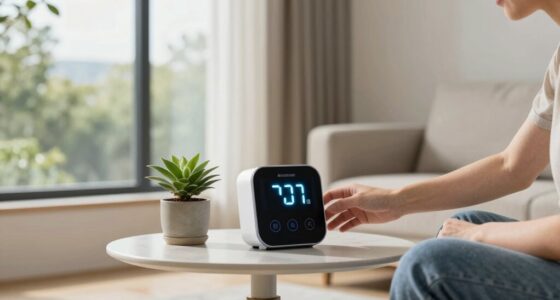
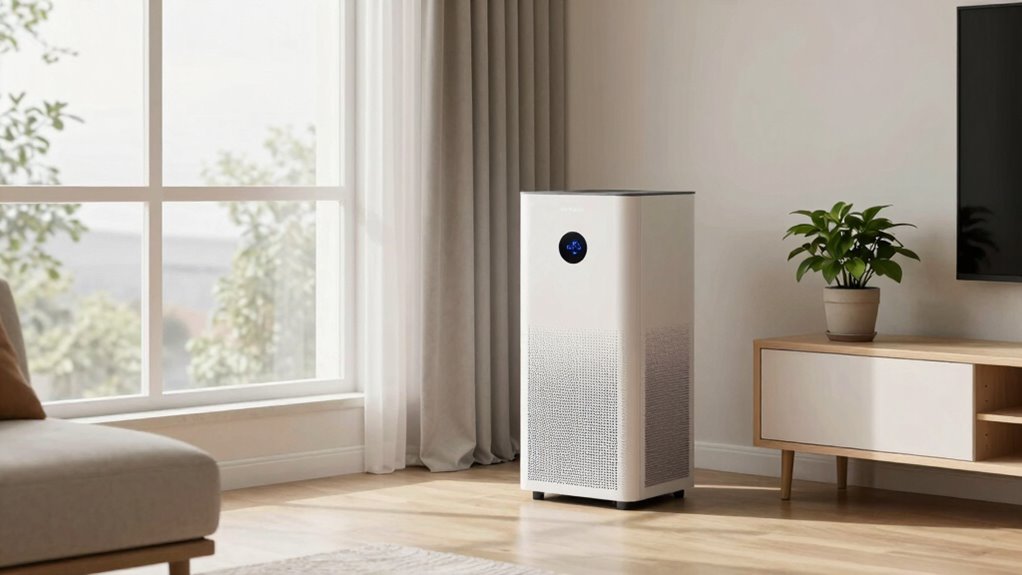
Air purification is indispensable for maintaining clean indoor air. Modern air purifiers can trap dust, pollen, pet dander, mold spores, and airborne bacteria, considerably reducing allergens that trigger asthma or allergies. When you choose an air purifier, look for one with a HEPA filter, which is capable of capturing tiny particles that often go unnoticed. Some advanced models also incorporate activated carbon filters to absorb odors, volatile organic compounds (VOCs), and harmful gases, further improving air quality. Regularly maintaining and replacing these filters keeps your system working efficiently, especially during allergy seasons or in homes with pets or smokers. Additionally, understanding the significance of indoor air quality can help you make informed decisions about your home’s ventilation needs. Enhancing air exchange efficiency can further improve the overall air quality in your home. Incorporating air quality monitoring devices can also help you keep track of pollutant levels and respond promptly.
Ventilation systems are equally important for making certain your home stays fresh and safe. Proper ventilation replaces stale indoor air with fresh outdoor air, diluting indoor pollutants and controlling humidity levels. Mechanical ventilation systems, like exhaust fans, range hoods, and energy recovery ventilators (ERVs), help remove moisture, odors, and airborne contaminants. These systems are especially pivotal in tightly sealed homes, where natural airflow is limited. By investing in a reliable ventilation system, you can prevent mold growth, reduce indoor air pollution, and create a healthier environment for your family. Ensuring your ventilation efficiency is optimized can significantly enhance your home’s overall air quality.
In the context of home preparedness, having a good balance of air purification and ventilation is key to resilience. During emergencies like power outages or severe weather events, maintaining good indoor air quality can be challenging. Portable air purifiers can serve as a backup, especially in bedrooms or common areas. Assuring your ventilation systems are well-maintained and functional prepares you to manage air quality issues proactively. This way, you’re not just reacting to poor air quality but actively preventing it, which is crucial for long-term health.
Ultimately, indoor air quality isn’t just about comfort; it’s about safeguarding your health and creating a resilient home environment. By prioritizing air purification and ventilation, you’re taking important steps toward a healthier, safer living space. This investment in your home’s air quality aligns perfectly with your overall home preparedness plans, helping you breathe easier in any situation.
As an affiliate, we earn on qualifying purchases.
Frequently Asked Questions
How Often Should I Replace Indoor Air Filters?
You should replace your indoor air filters every 1 to 3 months, depending on usage and filter type. Regular filter maintenance guarantees ideal air quality and system efficiency. Using air quality sensors helps you monitor indoor air, indicating when filters need changing sooner. Keep an eye on sensor readings and replace filters promptly to maintain healthy indoor air, especially during allergy seasons or if you notice musty odors or increased dust.
What Are the Best Plants for Improving Indoor Air Quality?
You should consider plant varieties like snake plants, peace lilies, and spider plants for improving indoor air quality. These air-purifying benefits help filter toxins and boost oxygen levels in your home. Keep in mind, for the best results, place multiple plants around your space and maintain proper watering and light conditions. Incorporating these plants not only enhances air quality but also adds a touch of natural beauty to your home.
Can Air Purifiers Eliminate All Indoor Pollutants?
Air purifiers can’t eliminate all indoor pollutants due to their limitations in pollutant removal effectiveness. While they do a good job reducing common airborne contaminants like dust, pet dander, and some allergens, they may not fully remove gases, VOCs, or virus particles. You need to combine air purifiers with proper ventilation, regular cleaning, and reducing pollutant sources to improve air quality thoroughly.
How Does Humidity Affect Indoor Air Quality?
Humidity affects indoor air quality by influencing mold growth, dust mites, and bacteria. When humidity levels are too high, mold prevention becomes difficult, increasing health risks. Conversely, low humidity can cause dry skin and respiratory irritation. Humidity control helps maintain ideal levels, preventing mold and improving air quality. You should monitor and adjust humidity regularly, ensuring your home stays comfortable, healthy, and safe for everyone.
Are There Specific Air Quality Standards for Homes?
Yes, there are specific air quality standards for homes set by organizations like the EPA and ASHRAE. These standards guide acceptable levels of pollutants such as VOCs, mold, and particulate matter. To meet them, you should guarantee proper home ventilation, regularly filter your air, and control humidity levels. Maintaining these standards helps reduce health risks and improves overall indoor air quality, creating a safer living environment.
energy recovery ventilator system
As an affiliate, we earn on qualifying purchases.
As an affiliate, we earn on qualifying purchases.
Conclusion
By tending to your indoor air quality, you’re planting seeds of safety and comfort within your home’s fortress. Just as a lighthouse guides ships through fog, good air quality steers you clear of unseen hazards, ensuring your haven remains a sanctuary in any storm. Keep the air you breathe clean, and you’ll turn your house into a resilient sanctuary, ready to face whatever challenges come your way. After all, a healthy home starts with the air you cherish each day.
portable air purifier for emergencies
As an affiliate, we earn on qualifying purchases.
As an affiliate, we earn on qualifying purchases.
air quality monitor for indoor air
As an affiliate, we earn on qualifying purchases.
As an affiliate, we earn on qualifying purchases.
Halloween Picks
halloween
As an affiliate, we earn on qualifying purchases.