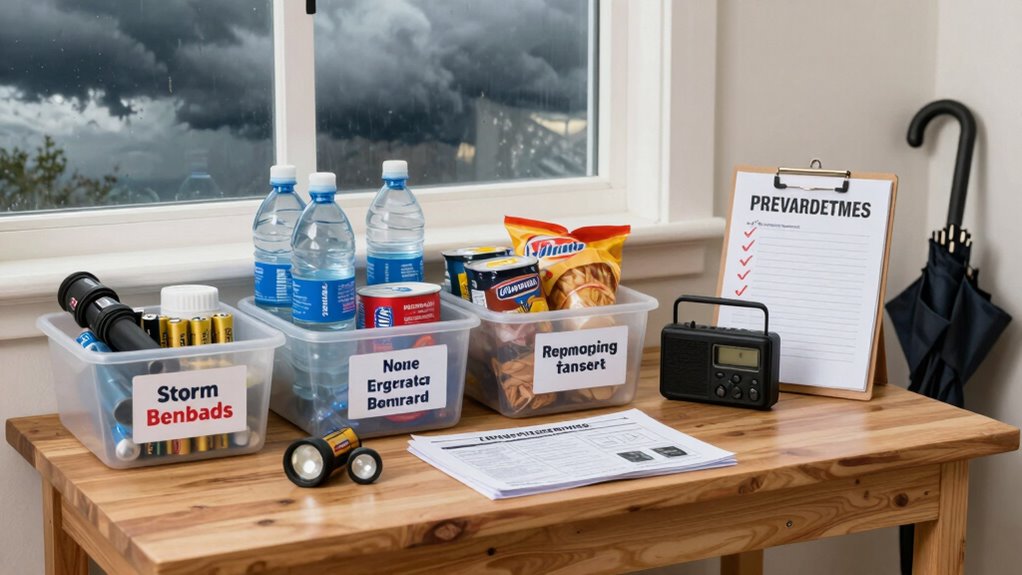

To make storm season less stressful, adopt a readiness habit of proactive planning and routine mental exercises. Focus on building mental resilience, reviewing your emergency plans regularly, and staying informed about weather alerts. Keep your supplies updated and easily accessible, and practice drills so responses become automatic. By integrating these habits into your daily life, you’ll develop confidence and calmness during storms. Keep going to discover more ways to strengthen your preparedness routine.

Get the latest gadgets delivered free with Prime
- Fast, free delivery on millions of items
- Prime Video, Amazon Music and more included
- Member-only deals all year
Key Takeaways
- Incorporate regular mental exercises and drills to build confidence and reduce panic during storms.
- Maintain an organized, accessible emergency kit to ensure swift response when needed.
- Develop and review a clear emergency plan to create a sense of control and readiness.
- Stay consistently informed about weather updates and community procedures to anticipate and prepare effectively.
- Make preparedness a daily habit, integrating routines that foster automatic, calm responses during storms.
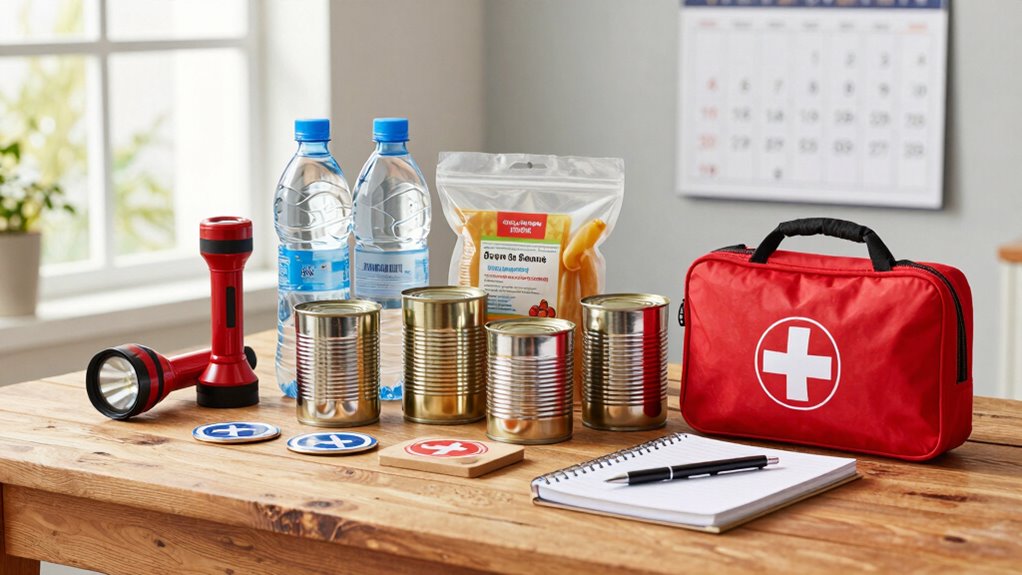
Have you ever wondered how some people seem prepared for anything that comes their way? It’s not just luck — it’s a habit they’ve cultivated, especially when it comes to storm season. This readiness habit isn’t about having a surplus of supplies; it’s about building a mindset of emergency preparedness and mental resilience. When you develop this habit, you’ll notice that managing the chaos of storms becomes less stressful and more manageable. You begin to see storms not as unpredictable disasters but as situations you’re equipped to handle. That confidence comes from consistently practicing your preparedness routines, which helps strengthen your mental resilience.
Preparedness is a habit that transforms storms from chaos into manageable challenges through confidence and mental resilience.
You start by ensuring your emergency kit is always ready. This means checking your supplies regularly, knowing where your essential items are, and updating anything that’s expired. But more importantly, it’s about cultivating a mindset that anticipates potential challenges. When you’re mentally prepared, you’re less likely to panic or get overwhelmed. Instead, you approach storms with a calm, clear-headed attitude. This mental resilience helps you make quick decisions, prioritize safety, and stay focused on what’s important. It becomes second nature to have a plan in place, and that plan becomes your anchor during stressful moments.
Building this habit also involves routine mental exercises. You might visualize storm scenarios and rehearse your responses, sharpening your ability to stay composed under pressure. Regularly reviewing your emergency plan and practicing drills can reinforce your confidence. These actions create a mental framework that reduces uncertainty and fear, making you more adaptable when storms hit unexpectedly. To deepen this preparedness, understanding emergency response procedures and how your community responds can further boost your confidence. Additionally, staying aware of weather alerts and knowing how to interpret them can give you a crucial advantage. Developing awareness of climate patterns can also help you anticipate and prepare for specific storm seasons more effectively. Incorporating community emergency plans into your routine can further enhance your readiness and ensure you’re aligned with local efforts. Over time, this routine becomes a part of your lifestyle, so you don’t have to think twice about it during the storm season. You’ll find yourself more proactive rather than reactive, which is the core of true readiness.
Another key aspect is staying informed. Keeping track of weather updates and understanding your local community’s emergency procedures keeps you one step ahead. Knowledge is power, and it feeds your mental resilience by removing doubts and increasing your sense of control. Regularly practicing emergency preparedness, such as reviewing your plan and staying informed, helps ingrain this mindset into your daily routine. When you combine that with a steady routine of emergency preparedness, you’re not waiting for a storm to strike before acting — you’re already prepared. This habit creates a sense of security and reduces anxiety, making storm season less stressful. Ultimately, it’s about creating a mindset where readiness is automatic, empowering you to face whatever Mother Nature throws your way with confidence and calm.
As an affiliate, we earn on qualifying purchases.
Frequently Asked Questions
How Early Should I Start My Storm Readiness Preparations?
You should start your storm readiness preparations at least a month before the typical storm season, considering storm timing and the preparation timeline. This allows you to gather essential supplies, secure your home, and create an emergency plan without rushing. Early preparation minimizes stress and guarantees you’re ready when storms approach. Keep monitoring weather updates and adjust your plan as needed, so you’re always prepared for whatever storm season brings.
What Are Common Mistakes People Make When Preparing for Storms?
You often make the mistake of neglecting family communication, which can cause confusion during storms. Make sure everyone knows the plan and has emergency contacts. Also, don’t forget to review your insurance claims process beforehand; many people delay or mishandle claims after storm damage. Regularly update your information and document your possessions. By avoiding these mistakes, you’ll reduce stress and be better prepared for any storm.
How Do I Involve Children in Storm Preparedness?
You can involve children in storm preparedness by making safety a family activity. For example, turn packing emergency kits into a fun game, letting kids pick their favorite supplies. This approach promotes child safety and helps them understand the importance of preparedness. Involving children in planning and practicing safety measures encourages confidence, responsibility, and teamwork, making storm season less stressful for everyone while ensuring your family stays safe and informed.
What Supplies Are Essential for a Storm Emergency Kit?
You should pack an emergency communication device like a battery-powered radio and extra batteries for updates. Include essential supplies such as bottled water, non-perishable food, first aid kit, and flashlights. Make certain to have enough for everyone, especially kids. Also, prepare for shelter safety by bringing blankets and sturdy shoes. These essentials guarantee you stay informed, safe, and comfortable during a storm, reducing stress and confusion.
How Can I Stay Informed About Storm Developments Effectively?
You stay informed about storm developments effectively by regularly checking weather forecasting updates from trusted sources like the National Weather Service or weather apps. Enable emergency communication alerts on your phone to receive instant warnings. You can also follow local news and social media for real-time updates. Staying proactive guarantees you’re prepared, reducing stress during storm season. Make it a habit to verify information from multiple sources to stay accurately informed.
storm preparedness emergency kit
As an affiliate, we earn on qualifying purchases.
As an affiliate, we earn on qualifying purchases.
Conclusion
So, next storm season, why not skip the hassle and embrace the readiness habit? After all, nothing says “fun” quite like frantically searching for flashlights in the dark or arguing over who forgot the bottled water. Trust me, a little prep now saves you from the chaos later—unless you’re into chaos, in which case, carry on. But if peace of mind sounds better, start that readiness habit today. Storms may come, but stress doesn’t have to.
As an affiliate, we earn on qualifying purchases.
As an affiliate, we earn on qualifying purchases.
Halloween Picks
halloween
As an affiliate, we earn on qualifying purchases.