
TL;DR

Get the latest gadgets delivered free with Prime
- Fast, free delivery on millions of items
- Prime Video, Amazon Music and more included
- Member-only deals all year
The best portable toilet for preparedness varies by scenario. A sturdy bucket with proper waste bags suits most households, while compact folding toilets excel in vehicles. Planning waste disposal is as vital as choosing the right model.
When disaster strikes—power outages, floods, or evacuations—sanitation quickly becomes a major headache. Yet, many overlook the importance of having a reliable portable toilet ready to go. Choosing the right model isn’t about bells and whistles; it’s about practicality, dependability, and planning for waste disposal.
If you don’t prep your sanitation now, you risk contamination, odor, and frustration when it matters most. In this guide, you’ll learn how to pick the best portable toilet for your specific needs—whether it’s for home, vehicle, or extended off-grid living—and avoid common pitfalls that can turn simple cleanup into a nightmare.
A simple, sealed 5-gallon bucket with a fitted seat and durable waste bags offers the most reliable, low-cost prep solution.
Prioritize stability, comfort, and odor control features when selecting a portable toilet for emergencies.
Always plan your waste disposal route before an emergency—know where and how to safely get rid of waste.
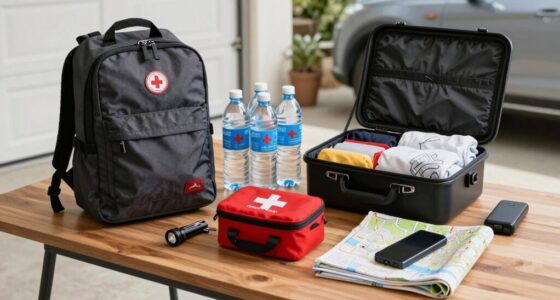
Stock enough consumables—bags, absorbents, gloves—for your entire household and emergency duration.
Practice setting up and using your toilet kit ahead of time to avoid chaos during a crisis.
Why a sturdy bucket with waste bags beats fancy gadgets
A basic 5-gallon bucket fitted with a toilet seat and a secure lid is surprisingly effective. It’s inexpensive, simple, and reliable. Think of it like a sturdy toolbox—no complex parts, no batteries, no mechanical failures.
During an emergency, you want a solution that works without electricity, water, or special chemicals. A sealed bucket with a sturdy, tight-fitting lid prevents leaks and odors. Add heavy-duty waste bags and some absorbent material, and you have a dependable system that can last days or even weeks.
For example, during a prolonged power outage, a family used a bucket toilet with a fitted seat and sealed bag. It kept odors contained, was easy to lift and dispose of, and didn’t require any maintenance beyond changing the bag when full. This simplicity means fewer points of failure—no batteries, no electronic parts—that could malfunction when you need it most. Its low cost also makes it accessible for most households, removing financial barriers to preparedness. The tradeoff is that it may lack some comforts or convenience features of specialized units, but for reliability and ease of use in a pinch, it’s hard to beat.
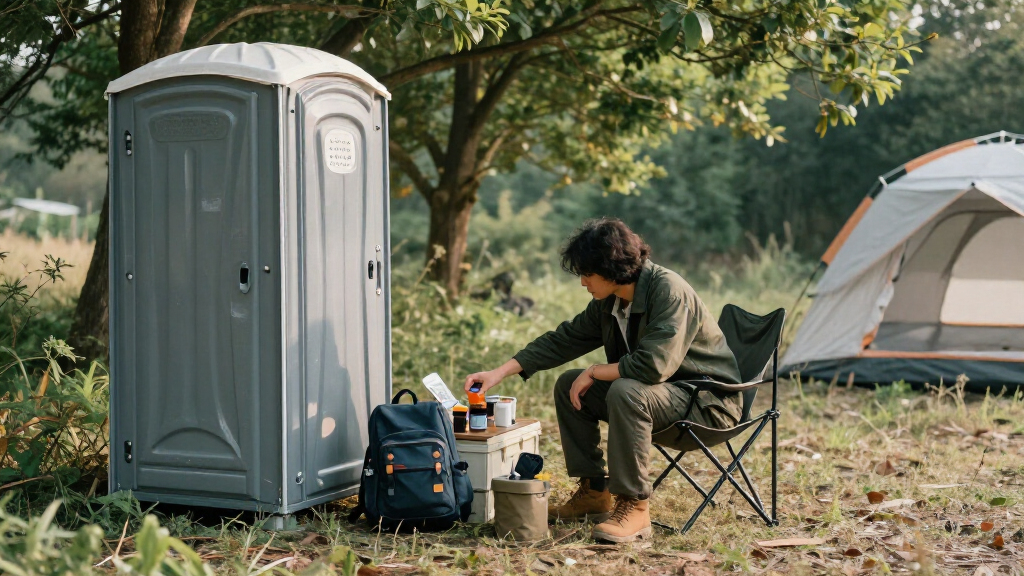
portable folding toilet for camping
As an affiliate, we earn on qualifying purchases.
As an affiliate, we earn on qualifying purchases.
Top features to look for in a portable toilet for emergencies
When choosing a portable toilet, focus on a handful of key features. These can make or break your experience during a crisis. Understanding why each feature matters helps you prioritize what’s essential versus optional, especially when supplies might be limited.
- Material: Durable plastic that can withstand rough handling, temperature fluctuations, and exposure to the elements ensures your toilet won’t crack or degrade when you need it most. Weak materials can lead to leaks or breakage, compromising hygiene and safety.
- Includes: A fitted seat, secure lid, and compatible waste bags or liners are fundamental. The seat provides comfort, especially during extended use, while the lid helps contain odors. Proper waste bags prevent leaks and simplify disposal, reducing contamination risks.
- Seat height: Chair-height seats (around 17-19 inches) are ergonomically easier for adults and elderly users, reducing strain and making the experience less uncomfortable. Comfort can encourage consistent use and prevent accidents or spills.
- Waste capacity: A capacity of 5-6 gallons strikes a balance—large enough to avoid frequent emptying, yet manageable in size and weight for transport and storage. Overly large units may become cumbersome, while smaller ones risk needing more frequent disposal, which can be impractical during emergencies.
- Odor control: Features like seals, absorbents, and separation of liquids from solids help keep smells contained. Odor can quickly become a health hazard and make the environment unpleasant, so effective odor management is crucial for maintaining hygiene and morale.
- Portability: Lightweight, foldable, or compact designs that fit easily in vehicles or storage spaces are essential. During emergencies, ease of transport and storage directly impacts your ability to deploy the toilet quickly and efficiently.
Choosing a model with these features ensures your sanitation solution is stable, comfortable, and odor-controlled—factors that significantly influence usability and safety during stressful situations. Remember, the right features are about balancing convenience, hygiene, and practicality, which can reduce overall stress and health risks when it matters most.
As an affiliate, we earn on qualifying purchases.
Comparison of popular models: Which one suits your needs?
| Model | Material | Includes | Seat Height | Waste Capacity |
|---|---|---|---|---|
| Cleanwaste GO (discontinued) | Plastic | WAG Bag Kit | 14 inches | 5 gallons |
| Sckee Portable Camping Toilet | ABS plastic | Waste bags, gel, storage, phone tray | 12 inches | 4 gallons |
| YITAHOME Portable Toilet | HDPE and PP | Carry bag, sprayer, level indicator | Not specified | 5.8 gallons |
| Camco Bucket Toilet | Polymer | Bucket, seat, 2 trash bags | Not specified | 5 gallons |
| Ann Katy Upgrade XL | Density board, leather | Toilet, bags, instructions | Not specified | Extra large capacity |
This comparison highlights how each model caters to different needs—compactness, capacity, comfort—helping you pick based on your scenario. Understanding these differences allows you to weigh the tradeoffs: a more comfortable seat might mean increased weight or cost; higher capacity could mean bulkier storage. Recognizing these implications helps you select a model aligned with your specific priorities, whether portability, comfort, or capacity.
As an affiliate, we earn on qualifying purchases.
How to set up your emergency toilet kit in 3 simple steps
- Choose your primary system: A sturdy bucket with a fitted seat and heavy-duty waste bags is a reliable core.
- Gather consumables: Extra bags, absorbent powder, gloves, hand sanitizer, and toilet paper.
- Practice and plan disposal: Test the setup, identify disposal routes, and simulate use to ensure smooth operation during a crisis.
Practicing in advance—fitting the bag, sealing it, lifting the full container—builds familiarity and confidence. This reduces hesitation and errors during actual emergencies, where stress and urgency can impair decision-making. Planning disposal routes ensures that when the time comes, you know exactly where and how to discard waste safely and legally, preventing contamination and legal issues. The tradeoff is dedicating time beforehand to practice and organize, but this investment pays off by making emergency responses smoother and less chaotic, ultimately protecting your health and environment.
compact portable toilet for vehicle
As an affiliate, we earn on qualifying purchases.
As an affiliate, we earn on qualifying purchases.
Avoid these common mistakes that can turn your prep into a nightmare
Many overlook the importance of waste disposal planning or assume their toilet will last forever. Here are key mistakes to sidestep:
- Buying without a disposal plan: Know exactly where and how waste will be safely disposed of to prevent environmental contamination and legal violations. Failing to plan can lead to illegal dumping or unsafe storage, which can cause health hazards and legal consequences.
- Underestimating supplies: Stock enough bags, absorbents, and disinfectants for your entire household and emergency duration. Running out of supplies means you’ll be forced to improvise—potentially unsafe or unsanitary solutions—compromising hygiene and safety.
- Choosing an unstable or uncomfortable seat: Look for stability, especially if elderly or children will use it. An unstable seat can cause accidents, spills, or discourage use altogether, leading to hygiene issues and frustration.
- Ignoring odor control: Seals, separation, and absorbents matter more than fragrances. Poor odor management can make your environment unbearable, discourage use, and pose health risks due to airborne bacteria and gases.
- Assuming all waste bags are the same: Use purpose-made, puncture-resistant bags with secure closures. Inferior bags may leak or burst, contaminating your environment and increasing cleanup difficulty. Proper bags are a small investment that significantly enhances safety and hygiene.
For example, a family stored supplies but didn’t plan waste removal. When their container filled during a flood, they struggled to find a disposal site, leading to contamination risks. This illustrates that even the best toilet setup is ineffective without a clear disposal plan. Proper planning reduces chaos, contamination, and health risks, emphasizing that preparedness involves both equipment and strategy. Recognizing and avoiding these pitfalls ensures your sanitation system remains effective and safe when it’s needed most.
Planning waste disposal: Your last step to true preparedness
Deciding where and how to dispose of waste is just as critical as choosing your toilet. Knowing your options beforehand ensures you can act swiftly and responsibly during an emergency, minimizing health hazards and environmental impact.
- Use your household toilet if available and permitted, but verify if your local authorities have restrictions during emergencies. This can be the safest and most familiar disposal method if accessible.
- Locate nearby RV dump stations or approved waste facilities—know their locations and operating hours. This pre-planning reduces stress and time spent searching when urgency is high.
- Plan for sealed bag disposal in municipal trash, following local rules. Proper sealing prevents leaks and odors, while understanding disposal protocols ensures compliance and environmental safety.
- Avoid illegal dumping or burying waste unless explicitly permitted—these actions can result in fines, environmental damage, and health risks. Proper disposal is integral to maintaining sanitation standards and legal compliance.
Imagine filling a waste bag during a prolonged power outage, then having a nearby, approved dump station ready. This foresight prevents environmental contamination, reduces odors, and keeps your surroundings safe. It also saves time and reduces stress, making your emergency response more effective and less chaotic. Planning waste disposal is not just an afterthought; it’s a core component of preparedness that ensures your sanitation system remains safe and functional under stress, protecting your health and the environment.
Latest innovations in portable sanitation: What’s new and useful
Emerging trends focus on waste separation and compact design. Urine-diverting toilets now suit vans, boats, and off-grid homes, reducing odor and capacity issues. Foldable, flat-pack models are easier to store, and prepackaged waste kits simplify handling. Electronics like rechargeable flush systems are improving comfort but add complexity.
One standout is the shift toward better waste separation—less odor, longer use—versus relying solely on chemicals. Effective waste separation minimizes the risk of overflowing and odor buildup, extending the usability of your sanitation setup. Privacy shelters, integrated handwashing stations, and modular seats are also gaining popularity, making emergency sanitation more manageable and less unpleasant. These innovations aim to enhance hygiene, comfort, and ease of use, ensuring that even in stressful conditions, sanitation remains manageable and less of a burden.
Conclusion
Choosing the right portable toilet isn’t glamorous, but it’s a vital part of true preparedness. A basic bucket with quality waste bags can serve as your dependable sanitation anchor during the worst moments. Pair it with a solid disposal plan, supplies, and some practice, and you’ll face emergencies with confidence.
Remember: Sanitation is about more than comfort—it’s about health, safety, and peace of mind. When disaster hits, your best move is to keep things simple, reliable, and well-planned. After all, a clean, odor-free environment can make all the difference between crisis management and chaos.
Fall Picks
fall essentials
As an affiliate, we earn on qualifying purchases.