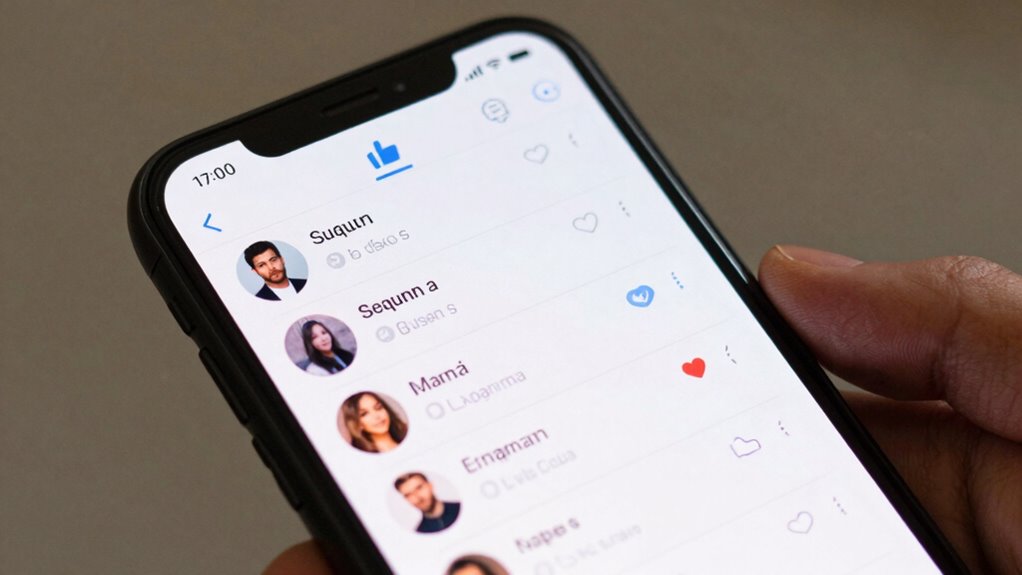

Your privacy settings and engagement patterns reveal more about you than your posts alone. How you configure your profile signals your interests and social circles, often unintentionally exposing personal details. Likes, comments, and time spent on content build a detailed digital profile that goes beyond visible content. Platforms track these habits and choices, shaping what they show and how they target you. Continuing further uncovers even deeper layers of data collection you might not be aware of.

Get the latest gadgets delivered free with Prime
- Fast, free delivery on millions of items
- Prime Video, Amazon Music and more included
- Member-only deals all year
Key Takeaways
- Privacy settings reveal personal habits and preferences beyond intended visibility.
- Engagement metrics like likes and comments create detailed digital profiles.
- Interaction patterns and time spent on content are analyzed for deeper data insights.
- Algorithms infer emotional states and routines from subtle online behaviors.
- Default or overlooked privacy choices can unintentionally expose sensitive information.
Have you ever wondered what truly lies behind the glossy surface of social media? It’s easy to get caught up in the shiny images, the likes, and the comments, but there’s more happening beneath the surface that you might not realize. One of the most overlooked details is how your privacy settings and engagement metrics reveal more about you than you’d expect. When you post, comment, or even just scroll, you’re unknowingly sharing data that goes far beyond the content itself.
Your privacy settings are designed to give you control over what others can see, but they also serve as a window into your habits and preferences. For example, the way you configure your profile—who can see your friends list, your posts, or your location—sends signals about your social circles and interests. Even if you think you’re hiding things, certain default settings or accidental oversights can expose enough to piece together a fairly detailed profile. Platforms track these settings and use them to shape what content you see, but they also collect data that can be analyzed later for marketing or other purposes.
Engagement metrics are another powerful, often underestimated, detail. Every like, share, or comment acts as a digital footprint that platforms use to gauge your preferences. These metrics aren’t just for showing popularity—they’re used to predict your behavior, target ads, and even influence what appears in your feed. For instance, if you frequently like posts about travel, the platform will prioritize similar content, revealing your interests to advertisers and analytics companies. Over time, these metrics build a detailed digital portrait of who you are, what excites you, and what your habits look like. Recognizing the extent of data collection**** can help you better understand how your online activity is monitored.
What’s more concerning is how these details can be aggregated to paint a surprisingly accurate picture of your life, sometimes without your explicit awareness. Algorithms analyze your interaction patterns, the time you spend on certain types of posts, and the privacy choices you make. This data can be used for targeted advertising, political campaigning, or even more invasive purposes. So, while you might think your privacy settings are enough to keep your information safe, they’re just one piece of a larger puzzle. Engagement metrics, in particular, act like breadcrumbs that reveal your preferences, routines, and even your emotional states.
In essence, every click, like, and setting adjustment adds a layer to your digital profile. The glossy surface of social media hides an intricate web of data collection, where your privacy choices and engagement behaviors serve as subtle clues—clues that give away more about you than you might realize. Recognizing how data collection practices influence your online footprint can help you make more informed decisions about your digital privacy. Being aware of the extent to which your online activity is monitored can empower you to take steps to safeguard your personal information more effectively.
social media privacy settings guide
As an affiliate, we earn on qualifying purchases.
As an affiliate, we earn on qualifying purchases.
Frequently Asked Questions
How Can I Check if My Social Media Profile Reveals My Location?
To check if your social media profile reveals your location, review your posts and settings for geotagging risks. Disable location services or geotagging features to prevent sharing your whereabouts. Also, examine your profile visibility settings—public profiles are more vulnerable. Be cautious about sharing location details in your bio or posts, as they can unintentionally expose your location, increasing privacy risks. Regularly reviewing these settings helps control what others see.
What Hidden Metadata Is Stored in My Uploaded Images?
You might think deleting photos is enough, but image metadata often hides more than you realize. This includes camera info, timestamps, and sometimes GPS location, which can compromise your photo privacy. Don’t assume your images are fully private; verify and remove hidden metadata before uploading. Using tools like photo editors or metadata removers ensures your images don’t unintentionally reveal personal details, keeping your online footprint more secure.
Can Social Media Activity Affect My Real-World Safety?
Yes, your social media activity can affect your real-world safety. Online tracking tools collect your personal data exposure, revealing your location, routines, and preferences. This information can be exploited by malicious actors, putting you at risk of targeted crimes or scams. Be cautious about sharing too much online, use privacy settings, and avoid posting live location updates to protect your safety from potential threats.
Are There Tools to Analyze What Personal Details My Posts Reveal?
Yes, you can find tools to analyze what personal details your posts reveal. Many third-party apps and platforms offer data encryption to keep your information secure while scanning your social media activity. These tools help you understand how much personal info is visible and assist in managing privacy. By regularly analyzing your posts, you can better control the details you share and protect your online identity effectively.
How Do Privacy Settings Impact the Information Visible to Others?
Privacy settings directly impact what others see, helping prevent privacy breaches. When you adjust these settings, you control who can view your posts, personal info, and activity. Proper privacy settings, combined with data encryption, make it harder for malicious actors to access sensitive details. Without these protections, your data becomes vulnerable, increasing the risk of privacy breaches. Always review and update your privacy settings regularly to stay secure online.
privacy screen protector for smartphones
As an affiliate, we earn on qualifying purchases.
As an affiliate, we earn on qualifying purchases.
Conclusion
Remember, every post you share is a tiny brushstroke on the canvas of your digital life. Like footprints in wet cement, these details leave lasting impressions that can ripple far beyond what you see. Stay cautious, stay aware—your online footprint is a map that others can read like an open book. Guard your secrets like treasure, because in the world of social media, the smallest detail can unveil a world of surprises.
secure social media account lock
As an affiliate, we earn on qualifying purchases.
As an affiliate, we earn on qualifying purchases.
privacy-focused social media app
As an affiliate, we earn on qualifying purchases.
As an affiliate, we earn on qualifying purchases.
Halloween Picks
halloween
As an affiliate, we earn on qualifying purchases.