
TL;DR

Get the latest gadgets delivered free with Prime
- Fast, free delivery on millions of items
- Prime Video, Amazon Music and more included
- Member-only deals all year
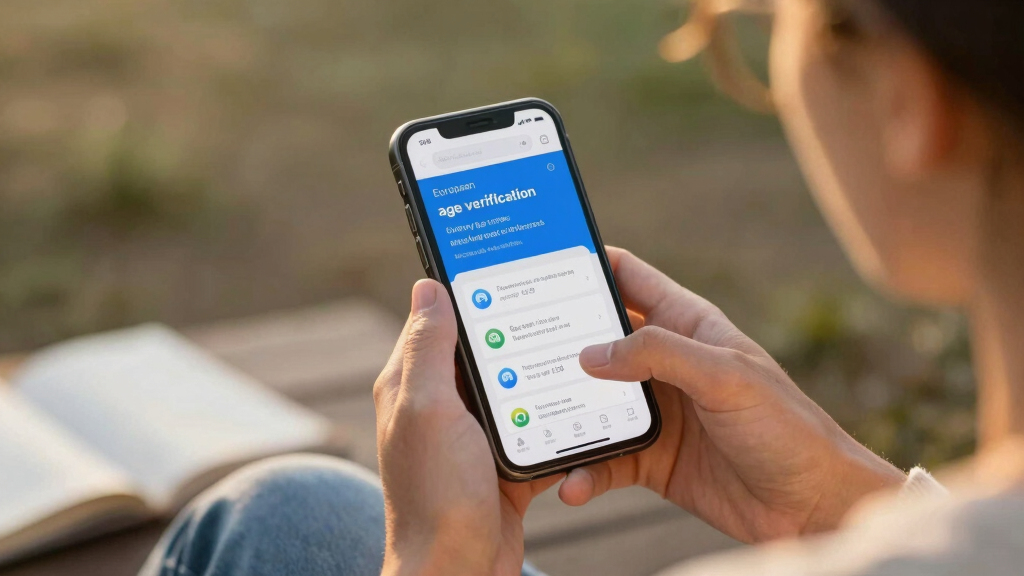
The European Union has introduced an age verification app that requires users to operate on Android or iOS devices. This move aims to restrict underage access to certain online content but raises questions about inclusivity and data privacy.
The European Union has mandated a new age verification app that requires users to access exclusively via Android or iOS devices. This development aims to enforce stricter online age restrictions but has sparked concerns over accessibility and privacy, especially for users with alternative devices or limited smartphone access.
The EU’s new age verification system, launched in March 2024, is designed to control access to certain online content deemed inappropriate for minors. According to official statements, the app is intended to ensure compliance with recent regulations aimed at protecting children from harmful digital material.
However, the app is only available on Android and iOS platforms, meaning users with feature phones, older devices, or alternative operating systems cannot participate. The European Commission has stated that the app uses robust identity verification methods, including biometric checks and government ID validation, to confirm user age.
Several privacy advocates and digital rights groups have expressed concerns about data collection practices, given the sensitive nature of age verification and the potential for misuse or data breaches. The European Data Protection Board has announced it is reviewing the app’s privacy safeguards.
Implications for Digital Accessibility and Privacy in Europe
This development is significant because it may limit access to certain online services for users without compatible devices, potentially creating a digital divide. Additionally, the mandatory use of biometric and ID data raises privacy concerns, especially regarding data security and user consent. The move reflects Europe’s broader push for stricter online regulation but also highlights challenges related to inclusivity and data protection in digital governance.
Android biometric identity verification app
As an affiliate, we earn on qualifying purchases.
As an affiliate, we earn on qualifying purchases.
Background of EU’s Age Verification Regulations
The European Union has been working on strengthening online protections for minors, culminating in new regulations enacted in late 2023. These laws require online platforms to verify users’ ages to prevent access to age-restricted content, such as adult material and violent content. The age verification app is part of this regulatory framework, aiming to standardize and enforce compliance across member states.
Previous efforts included voluntary age checks and age-gated content controls, but critics argued they were insufficient. The current app represents a move toward more centralized and enforced verification processes, with the goal of reducing underage exposure online.
“The new age verification app is a secure, efficient way to protect minors online, accessible via the most widely used mobile platforms.”
— European Commission spokesperson
As an affiliate, we earn on qualifying purchases.
Unclear Aspects of Implementation and User Impact
It is not yet clear how the app will be implemented across different EU countries or how it will handle users with incompatible devices or limited internet access. Details about the privacy safeguards and data handling practices are still under review, and the full scope of user impact remains uncertain.
digital identity verification device
As an affiliate, we earn on qualifying purchases.
As an affiliate, we earn on qualifying purchases.
Next Steps in Rollout and Regulatory Oversight
The European Commission is expected to complete its review of the app’s privacy measures in the coming months. Wider adoption of the app will depend on national governments’ implementation strategies, and user feedback will likely influence future updates. Monitoring of privacy compliance and accessibility issues will continue as the system becomes more widely used.
privacy-focused biometric ID scanner
As an affiliate, we earn on qualifying purchases.
As an affiliate, we earn on qualifying purchases.
Key Questions
Why does the app only support Android and iOS?
The app is designed to operate on the most widely used mobile platforms in Europe, aiming for broad compatibility. However, this excludes users with feature phones or devices running alternative operating systems, raising concerns about digital inclusion.
What data is collected during age verification?
The app reportedly uses biometric data and government-issued IDs for verification, but specific data collection practices are still under review by privacy authorities. The European Data Protection Board is assessing compliance with GDPR.
Will this restrict access for some users?
Yes, users without compatible devices or with limited internet access may be unable to use the app, potentially creating a digital divide. Exact impacts are still being evaluated.
When will the app be fully implemented across the EU?
The full rollout depends on national governments’ adoption strategies and regulatory approvals. The European Commission expects broader deployment over the next few months, with ongoing oversight.
Are there alternatives for users who cannot use the app?
Currently, no official alternatives have been announced. Privacy advocates suggest that additional verification methods or accessibility options may be needed to ensure inclusivity.
Source: hn
Halloween Picks
halloween
As an affiliate, we earn on qualifying purchases.