📊 Full opportunity report: Intel One Mono As A Signal In The 2023 Arts And Culture Scene on IdeaNavigator AI — validation score, market gap, and execution plan.

Get the latest gadgets delivered free with Prime
- Fast, free delivery on millions of items
- Prime Video, Amazon Music and more included
- Member-only deals all year
TL;DR
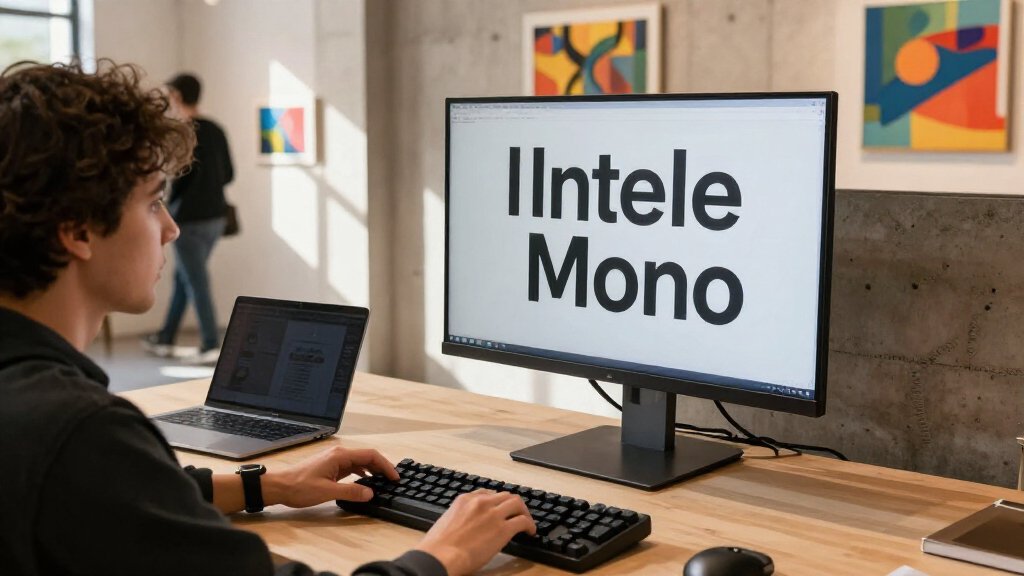
IdeaNavigator AI has proposed testing a narrowly focused monitoring service that would flag cultural developments, using Intel One Mono as an example for venue, gallery and festival programming leads. The proposal is not evidence that such a service has launched or that the font has changed arts programming; demand and user impact remain untested.
IdeaNavigator AI has proposed a small test of a trend-monitoring service for venue, gallery and festival programming leads, using the 2023 release of the Intel One Mono typeface as an example of a cultural signal to track. The proposal describes a product idea, not a launched service or evidence that Intel One Mono has affected programming decisions.
According to the IdeaNavigator AI proposal, the service would watch Hacker News and similar feeds, then filter items for relevance to arts and culture programmers. Each item would be presented as a short brief explaining what changed, why it matters and what the reader might do. The proposal identifies a problem: developments and audience signals are spread across news, forums and filings, leaving programming staff to work out which items deserve attention.
IdeaNavigator AI assigns the Intel One Mono item an 88/100 signal on Hacker News. The proposal does not explain the scoring method, what the score measures, or the time period covered. It offers no independent evidence that the font is a meaningful indicator of audience demand or that a programming team acted on it.
The proposal suggests delivering this brief and two other cultural-trend items to five people matching the intended buyer profile over one week. Its proposed measures are whether a recipient changes a decision or forwards a brief to a colleague. The document also sketches a subscription model, but gives no price, revenue figures, or results from customer interviews.
Intel One Mono as a cultural signal
IdeaNavigator AI proposes testing a focused trend-monitoring service for arts programmers. The idea remains untested, and no programming impact is reported.
The product idea
A role-specific digest could help programming leads find relevant developments across scattered feeds.
Watch Hacker News and similar sources for cultural developments.
Select items relevant to venue, gallery and festival programming leads.
Briefly describe what changed, why it matters and what readers might do.
Intel One Mono: a test case
The proposal uses the typeface’s 2023 release as an example, without evidence of a programming response.
- An 88/100 score on Hacker News
- A possible signal for arts programmers
- How the score was calculated
- Whether audiences or programs were affected
How the test would work
The proposed trial checks whether the briefs earn attention and inform action.
- Send three cultural-trend briefs to five people matching the target role over one week.
- Record whether recipients change a decision or forward a brief to a colleague.
- Use responses as an initial check, not proof of broad demand or a paying market.
Testing Signals for Arts Programmers
The idea addresses a practical information problem: programming teams may encounter trends across many channels but lack a quick way to judge which ones are relevant to their work. A role-specific digest could reduce the time spent scanning general feeds, if its selection and explanation prove useful. That potential is a product hypothesis, not a demonstrated benefit.
The proposed trial is deliberately small. Asking five potential users whether they change a decision or share a brief could reveal whether the format earns attention, but it would not establish broad demand across arts organizations. A useful assessment would also need to distinguish a brief that is merely interesting from one that informs a concrete programming choice.
For readers in cultural organizations, the more consequential question is not whether a technology story attracts online attention. It is whether a monitored item can be connected to audience behavior, programming needs or an actionable decision. The proposal has not yet shown that connection for Intel One Mono.
Products Worth Considering

Logitech MX Mechanical Wireless Illuminated Keyboard, Tactile Quiet, Graphite

Apple Watch Series 8 GPS 41mm Smartwatch with Midnight Aluminum Case and Midnight Sport Band (S/M)

Anker SOLIX S2000 Portable Power Station, 2,010Wh, 1,500W
As an affiliate, we earn on qualifying purchases.
From Typeface to Test Case
Intel One Mono is the named example around which the IdeaNavigator AI proposal is framed, with the item described there as a 2023 development. The document treats it as a possible signal for an arts-and-culture monitor; it does not provide a detailed account of the typeface, its adoption, or any response from venues, galleries or festivals.
The wider concept, as set out in the proposal, is an early-warning feed tailored to a particular job rather than a general weekly roundup. Its proposed audience is a programming lead at a venue, gallery or festival, and its suggested business model is a paid subscription. Those details define the intended product, but they do not confirm that a monitor has been built, that feeds are being tracked, or that organizations have agreed to pay.
The proposal says cultural trends and audience demand move quickly enough to make a same-day, filtered update preferable to a generic weekly summary. It does not provide comparative research or measured response times to support that claim. The planned user test is intended to check whether the specific format is useful.
Signal Score and User Demand
The 88/100 score is reported in the IdeaNavigator AI proposal without a methodology, baseline, or comparison with other items. It should be read as a score reported by the proposal, not as an independently verified measure of cultural importance, audience interest or likely programming impact. The available details do not establish why Intel One Mono was selected or how its relevance to arts programmers was assessed.
It is also unclear whether the proposed monitor exists beyond the product outline. The proposal reports no results from the five-person test and does not confirm that potential users have received the briefs. It names no participating organizations, specifies no subscription price, and does not show whether the suggested feed sources can consistently produce role-relevant items.
More broadly, the connection between online discussion and local audience demand remains untested here. A high level of attention on a platform would not by itself show that a venue, gallery or festival should change its program. The proposed validation would need to establish how users judge that relevance.
Five-Reader Validation Plan
The next step described in the IdeaNavigator AI proposal is a hand-delivered test: send the Intel One Mono brief and two additional cultural-trend items to five people who match the target programming-lead profile during a single week. The proposal says the test would record whether any recipient changes a decision or forwards an item to a colleague.
No results or firm schedule for that test are included in the proposal. If it goes ahead, its findings could indicate whether the brief format is worth developing further, but a five-person exercise would remain an initial check rather than proof of a paying market. The document gives no subsequent product-development milestones or launch date.
The immediate evidence to watch for is whether the test is completed, what participants say they did with the information, and whether the Intel One Mono example led to any identifiable programming action. Until then, the monitor remains a proposed service rather than an established tool for arts organizations.
Source: IdeaNavigator AI proposal
Key Questions
Has an Intel One Mono trend-monitoring service launched?
The IdeaNavigator AI proposal describes an idea and a possible test. It does not confirm that the service has launched or that a working monitor is available.
What does the reported 88/100 score mean?
The proposal gives the score for the Intel One Mono item on Hacker News but does not explain the scoring method, comparison baseline or time window. It is not an independently verified measure of cultural impact.
Who is the proposed service for?
According to the proposal, its intended users are programming leads at venues, galleries and festivals who want a filtered read on developments that might affect their work.
How would the proposal be tested?
IdeaNavigator AI suggests sending three briefs, including the Intel One Mono example, to five people matching the target role in one week. The proposed indicators are whether recipients change a decision or forward a brief.
Is there evidence that Intel One Mono changed an arts programming decision?
No such evidence is provided in the proposal. The typeface is presented as a sample signal, and the document reports no programming response or audience impact.
Source: IdeaNavigator AI