
TL;DR

Get the latest gadgets delivered free — and shop member deals
- Fast, free delivery on millions of items
- Access to Prime Big Deal Days deals on October 6–7
- Prime Video, Amazon Music and more included
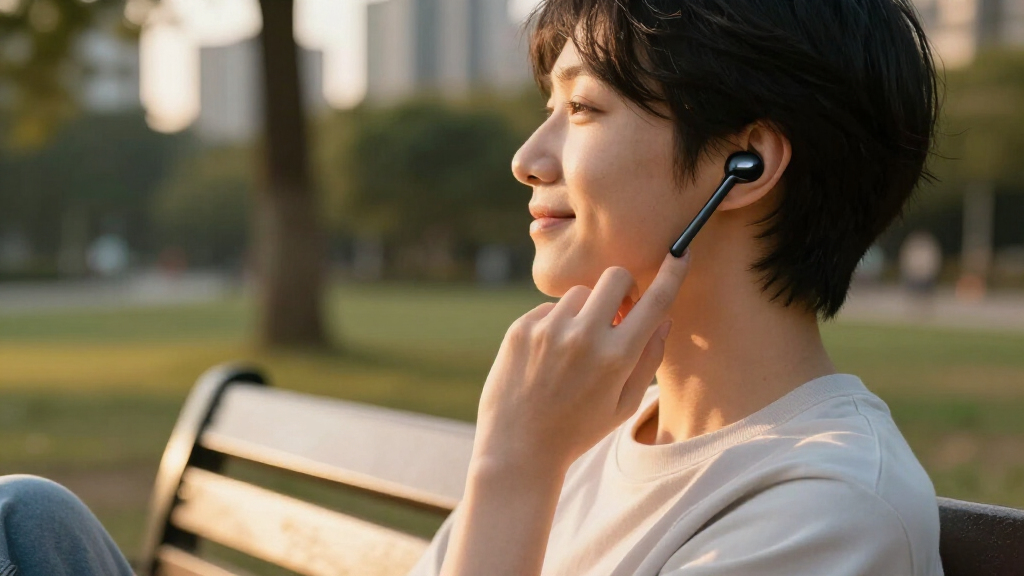
Wireless earbuds with noise cancellation use microphones and electronics to reduce steady, low-frequency sounds. They improve listening in noisy settings but don’t block all noise and vary in performance based on fit and environment.
Imagine sitting on a crowded train, the roar of engines and chatter fading into the background. That’s the magic of wireless earbuds with noise cancellation. They don’t just deliver music — they carve out your personal bubble of calm amid chaos.
This article will show you how ANC works, what to look for in a pair, and how to get the most from your investment. Whether you’re commuting, working out, or just craving peace, understanding these tech marvels helps you pick the best fit for your life.
Good fit is just as vital as advanced ANC tech—try different ear tips for the best seal.
ANC excels at reducing steady, low-frequency sounds but struggles with sudden or high-pitched noises.
Battery life drops when ANC or call features are active; plan usage accordingly.
Transparency modes are useful but imperfect—don’t rely on them for critical safety awareness.
Always compare independent reviews and test results, not just marketing claims, before buying.
How Noise Cancellation in Earbuds Actually Works
Wireless earbuds with noise cancellation combine tiny microphones, smart electronics, and speakers to fight unwanted sound. Active Noise Cancellation (ANC) detects external noise and generates an opposing sound wave, reducing what you hear.
Think of it as a noise-canceling shield that’s especially strong against steady, low-pitched sounds. For example, if you’re on a plane or near a busy street, ANC can lower that drone by up to 30%. But it’s less effective against sudden, high-pitched noises like sirens or shouting.
Passive isolation, on the other hand, depends on how tightly your earbuds seal your ear canal. Well-fitting tips block more sound naturally, boosting the effect of ANC. So, the best experience often combines good fit with smart electronics.
Understanding this synergy is crucial because it highlights why a good fit can make or break your noise cancellation experience. If your earbuds don’t create a proper seal, even the most advanced ANC technology won’t reach its full potential. Conversely, a perfect fit enhances passive isolation, allowing the ANC to focus on reducing persistent, low-frequency sounds rather than fighting gaps or leaks. This tradeoff emphasizes the importance of trying different tips or adjusting fit for optimal performance.
As an affiliate, we earn on qualifying purchases.
The Battle of Fit vs. Tech: Which Matters More?
Ever put on a pair of earbuds and instantly felt the difference? That’s because fit plays a crucial role. Even the most advanced ANC can’t do much if your earbuds aren’t snug and sealed.
Good fit isn’t just about comfort. It’s about creating a physical barrier that enhances noise reduction. For example, in a noisy café, a pair of earbuds with the right-sized tips can block out more background chatter than a high-tech pair that doesn’t fit well.
Many models include multiple ear tip sizes or fit-test apps. A quick tip: try to get a seal that’s tight but not uncomfortable. A loose fit lets noise in and reduces sound quality. A tight seal can even boost bass and clarity.
Here’s a quick comparison:
| Passive Isolation | Active Noise Cancellation |
|---|---|
| Relies on fit and seal | Uses microphones and electronics |
| Dependent on ear tip design | Supplementary to fit, not a replacement |
| Effective for physical block | Reduces steady, low-frequency sounds |
Getting the fit right is vital because it directly impacts the effectiveness of both passive and active noise reduction. A poor fit not only allows more external noise to intrude but can also cause discomfort, leading to shorter usage times. Conversely, a well-fitted earbud creates a more effective physical barrier and allows the ANC to target external sounds more efficiently. This means that investing time in finding the right tips or using app-based fit tests can significantly enhance your listening experience and the performance of your earbuds.
best ANC earbuds with adjustable fit
As an affiliate, we earn on qualifying purchases.
As an affiliate, we earn on qualifying purchases.
How to Pick Earbuds with the Best Noise Cancellation for You
Choosing the right pair is like picking the perfect shoes—fit, comfort, and features all matter. Here’s a step-by-step guide to help you decide:
- Determine your environment: Will you use them mainly on noisy commutes, gym sessions, or quiet home offices? Different settings demand different features.
- Check ANC performance: Look for independent reviews and test results. Some earbuds reduce noise by 20%, others up to 30% or more.
- Assess fit and comfort: Try different tips if possible. Comfort affects how long you wear them and how well ANC works.
- Battery life matters: ANC drains more power. Expect 4-8 hours of use with ANC on and longer with the case.
- Consider additional features: Transparency mode, touch controls, water resistance, and app support enhance usability.
Matching your needs with the right features involves understanding the implications of each choice. For example, a model with excellent ANC but poor comfort may lead to shorter listening sessions, reducing overall satisfaction. Conversely, earbuds with slightly lower noise reduction but superior fit and comfort might provide a better daily experience. Recognizing these tradeoffs helps you select earbuds that truly fit your lifestyle, ensuring consistent enjoyment and utility.
ear tips for noise cancelling earbuds
As an affiliate, we earn on qualifying purchases.
As an affiliate, we earn on qualifying purchases.
The Limits of Noise Cancellation: What It Doesn’t Do
Even the best ANC can’t turn your world completely silent. Think of noise cancellation as a volume knob—turn it down, but not off. It’s most effective against consistent, low-frequency sounds like engine hum or air conditioning.
Sudden noises, like a door slamming or a dog barking, often slip through because ANC is designed primarily to counteract predictable, steady sounds. High-pitched noises, such as sirens or shouting, are also less affected because they are more difficult for ANC algorithms to process effectively. This limitation underscores why ANC is best viewed as a tool to improve your environment, not eliminate all sound.
For instance, if you’re jogging near traffic, transparency mode allows you to hear ambient sounds while keeping your earbuds in. But relying solely on ANC for safety can be dangerous since it doesn’t guarantee complete silence. Always stay aware of your surroundings, especially in potentially hazardous situations.
Battery life also suffers when ANC is active. Expect a reduction of about 10-20% in listening time, which varies depending on the device and usage patterns. This tradeoff is important because it affects how long you can enjoy noise reduction without recharging.
Ultimately, ANC is a valuable but imperfect tool. Recognizing its limitations enables you to use it more effectively and avoid overestimating its capabilities in critical situations.
active noise cancelling wireless earbuds
As an affiliate, we earn on qualifying purchases.
As an affiliate, we earn on qualifying purchases.
The Latest Trends and Future of Noise-Canceling Earbuds
In recent years, earbuds have become smarter and more adaptable. Adaptive ANC automatically adjusts based on your environment, providing consistent noise reduction without manual tweaks. Some models even analyze your ear shape and fit to optimize performance.
Features like spatial audio and head tracking create immersive soundscapes, turning your earbuds into a mini home theater. Others offer automatic device switching, personalized sound profiles, or health monitoring.
Price ranges from budget-friendly options with basic ANC to premium models with all the bells and whistles. The focus is shifting toward seamless integration and user customization, making earbuds more than just a listening device—they’re becoming personal audio assistants.
However, software updates and compatibility vary widely. Always check if the features are supported by your phone or OS before buying.
Frequently Asked Questions
What is the main difference between ANC and noise isolation?
ANC electronically reduces environmental sounds through microphones and processing, while noise isolation physically blocks sound through a tight seal in your ear. Combining both offers the best noise reduction.Can noise-cancelling earbuds block all sounds?
No. They are most effective against steady, low-frequency noises like engines. Sudden or high-pitched sounds, like alarms or shouting, often slip through.Are ANC earbuds worth it for travel or commuting?
Yes, especially in noisy environments like planes or busy streets. They reduce background noise significantly, making it easier to enjoy music or focus. Just ensure they fit well and don’t block important announcements.Does ANC affect sound quality or cause discomfort?
It can. Some users notice a slight change in sound or a feeling of pressure. Trying different tips or adjusting ANC settings often helps improve comfort and audio experience.Are noise-cancelling earbuds safe to use?
When used at moderate volumes and with awareness, ANC earbuds are safe. Avoid listening at high volumes for extended periods and stay attentive in busy or dangerous environments.Conclusion
Your perfect noise-canceling earbuds are out there, but finding them depends on fit, environment, and features. Think of ANC as a helpful tool, not a magic shield, and use it wisely to carve out your quiet moments.
Next time you slip on those earbuds, remember: a good fit and realistic expectations make all the difference. Now, go enjoy your peace—and maybe even discover a new favorite tune along the way.
Fall Picks
fall essentials
As an affiliate, we earn on qualifying purchases.