
📊 Full opportunity report: Apple Wants Blacklisted Chinese RAM — And That Tells You How Bad The Squeeze Got on ThorstenMeyerAI.com — validation score, market gap, and execution plan.
TL;DR
Apple is requesting US government clearance to purchase memory chips from Chinese manufacturer CXMT, a company on the Pentagon’s blacklist. This move highlights the severity of the ongoing memory shortage and the complex balance between supply needs and national security.
Apple is actively lobbying the US Commerce Department to secure approval for purchasing memory chips from CXMT, a Chinese manufacturer on the Pentagon’s blacklist. This effort comes amid a severe global memory shortage, which has led Apple to raise prices on its Mac and iPad lines for the first time in years. The move underscores how supply constraints are forcing even the most insulated companies to consider controversial sourcing options, raising questions about the balance between economic needs and national security.
According to six sources familiar with the matter, Apple approached the Commerce Department about a month ago and has intensified its lobbying efforts within Washington. The company’s goal is to obtain assurance that a supply deal with CXMT will not be later blocked by US trade restrictions, particularly the potential addition of CXMT to the Entity List, which would impose licensing restrictions and cut off access to US technology.
Currently, CXMT is not officially barred from sales to US companies but is listed on the Pentagon’s 1260H list of Chinese Military Companies, which makes any deal politically sensitive and potentially ‘radioactive.’ Apple aims to diversify its memory suppliers, which currently include Micron, Samsung, and SK Hynix, by adding CXMT, a move driven by skyrocketing memory prices and supply shortages. The timing coincides with Apple’s recent hardware price hikes, citing soaring costs from AI data-center demand.
Sources indicate that Apple’s lobbying campaign is focused on securing a legal and political pathway, not on immediate procurement, reflecting the broader tension between supply chain diversification and national security concerns.
Apple wants blacklisted Chinese RAM
Two days after its first big price hikes, Apple is reportedly lobbying Washington to buy memory from a PLA-linked Chinese chipmaker. When the best-insulated company in tech runs out of road, the story isn’t Apple — it’s how total the squeeze got.
- +17–25% Mac & iPad price hikes, blamed on memory
- Memory prices ~4× in 3 quarters (Counterpoint)
- Cook: had no choice; “everything on the table”
- CXMT prices commodity RAM saner — no AI/HBM chase
- CXMT on Pentagon’s 1260H list (alleged PLA ties)
- Rep. Moolenaar: a “grave mistake” — deepens dependence
- Precedent: YMTC, 2022 — Congress warned, Apple backed off
- Reputational + political radioactivity for a US icon
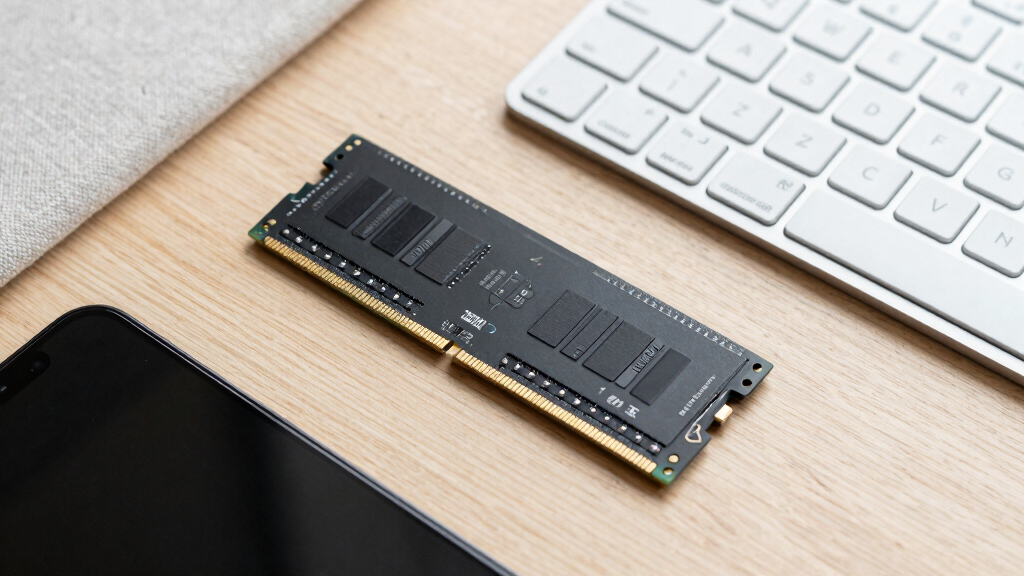
DDR5 (PC/server), LPDDR5X/4X, RDIMM/MRDIMM. Demonstrated DDR5-8000; found under retail Corsair Vengeance kits; Dell & HP use it in region RAM. Open question: volume.
CXMT doesn’t make the stacked high-margin memory feeding AI accelerators — so Micron’s HBM franchise is untouched. This is a fight over cheap commodity RAM, not the AI-memory frontier.
Strip away the brand and this is what supply dependence under stress looks like: the richest hardware company on earth, unable to buy its way out, courting a supplier its own government flags as a military risk — and spending political capital to do it. It rhymes with the European bind — when you don’t control the supply, the shortage writes your policy. Approved or not, the CXMT gambit is a symptom, not a strategy. And the lesson for everyone else is blunt: if Apple can’t buy its way out, neither can you. What’s left is discipline.
Implications of Apple’s China RAM Sourcing Request
This development highlights how the ongoing global memory shortage is forcing major US tech firms to consider sourcing from Chinese companies linked to the Chinese military, despite existing restrictions. It underscores the escalating challenge of balancing supply chain resilience against US national security policies. If approved, this move could set a precedent for other companies facing similar shortages and complicate US-China tech relations, especially as Washington seeks to decouple certain supply chains from China.
As an affiliate, we earn on qualifying purchases.
Memory Shortages and US-China Tech Tensions
The global memory market has experienced a quadrupling of prices over the past three quarters, driven by AI demand and supply chain disruptions. Apple, which traditionally relies on long-term contracts and diversified suppliers, has now exhausted its inventory buffers, leading to price hikes on popular products like Macs and iPads. Meanwhile, China’s memory industry has made significant advances, with CXMT demonstrating production-ready DDR5 modules and supplying major OEMs, despite being on the Pentagon’s blacklist.
Previously, Apple considered sourcing from other Chinese firms like YMTC but backed off due to political and legislative pressures. CXMT, which manufactures commodity DRAM, does not produce high-margin HBM memory used in AI accelerators, which somewhat alleviates investor fears about AI-specific supply risks. Nonetheless, the move to source from CXMT raises political and security questions, especially given the firm’s ties to the Chinese military and the US government’s efforts to restrict Chinese tech companies.
“Apple is seeking clarity and assurance from the US government to avoid future restrictions that could jeopardize its supply chain.”
— An anonymous source familiar with Apple’s lobbying efforts
As an affiliate, we earn on qualifying purchases.
Legal and Political Outcomes Still Unclear
It is not yet clear whether the US government will approve Apple’s request to source from CXMT. The White House has not issued an official stance, and the decision will likely involve weighing supply chain needs against national security concerns. The potential inclusion of CXMT on the Entity List remains a key risk, which could block any deals if approved.
As an affiliate, we earn on qualifying purchases.
Next Steps in US Approval Process
Apple’s lobbying efforts are ongoing, with a decision from the US Commerce Department expected in the coming weeks. The company will continue to navigate the complex legal and political landscape, balancing supply chain demands with regulatory restrictions. Meanwhile, the broader industry watches to see if other US firms will pursue similar sourcing strategies amid persistent shortages.
As an affiliate, we earn on qualifying purchases.
Key Questions
Why is Apple interested in Chinese RAM from CXMT?
Apple is seeking to diversify its supply sources and reduce costs amid a severe memory shortage, which has driven up prices and constrained supply. CXMT offers capable, modern commodity DRAM at more affordable prices compared to other suppliers.
What are the risks of sourcing from CXMT for Apple?
The main risks include potential US government restrictions, political backlash, and the possibility that CXMT could be added to the Entity List, which would block future US sales and technology transfer.
How does this move relate to US-China tech tensions?
It underscores the ongoing clash between supply chain needs and national security policies. Sourcing from a Chinese military-linked company could complicate US efforts to decouple from Chinese technology and increase geopolitical tensions.
Will this affect Apple’s product prices or availability?
If approved, sourcing from CXMT could help stabilize supply and potentially reduce costs, but the political and regulatory uncertainties could also lead to supply disruptions or increased scrutiny.
Is CXMT involved in high-margin memory like AI-specific HBM?
No, CXMT primarily manufactures commodity DRAM such as DDR5 and LPDDR5, not high-margin HBM memory used in AI accelerators. This limits the impact on AI hardware supply chains.
Source: ThorstenMeyerAI.com