TL;DR

Get the latest gadgets delivered free with Prime
- Fast, free delivery on millions of items
- Prime Video, Amazon Music and more included
- Member-only deals all year
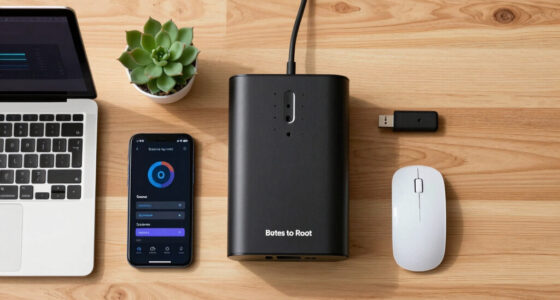
Valve considered developing a minimal, low-cost Steam Machine but never brought it to market. The reasons involve strategic focus and market challenges. This development raises questions about Valve’s hardware plans.
Valve considered creating a barebones, low-cost Steam Machine to expand its gaming hardware lineup, but the device was never developed or released. This decision appears to reflect strategic priorities and market considerations, making it a notable gap in Valve’s hardware history.
Sources familiar with Valve’s internal discussions indicate that the company evaluated the possibility of a simplified, budget-friendly Steam Machine aimed at broadening access to PC gaming. However, Valve ultimately decided against proceeding with the project, citing concerns over market viability and brand positioning. Valve has not officially confirmed the project, and no prototype or product has been publicly disclosed. The idea of a minimal Steam Machine aligns with Valve’s broader hardware ambitions, but it appears to have been shelved early in development or planning stages.
Industry analysts suggest that Valve’s focus shifted toward software and platform development, such as Steam Deck and SteamOS, which may have rendered the barebones concept less relevant or redundant. Valve’s representatives have not commented directly on this specific idea, leaving the details of the consideration and cancellation unclear.
Implications for Valve’s Hardware Strategy
This development highlights the challenges of hardware diversification in the gaming industry. Valve’s decision not to pursue a barebones Steam Machine suggests a strategic emphasis on more integrated or premium hardware, like the Steam Deck. For consumers, it underscores Valve’s focus on quality and ecosystem control rather than low-cost, simplified devices. For the industry, it raises questions about the market demand for entry-level gaming hardware and Valve’s future hardware plans.
As an affiliate, we earn on qualifying purchases.
Background of Valve’s Hardware Initiatives
Valve launched the original Steam Machine line in 2015, partnering with various manufacturers to produce a range of gaming PCs. The effort faced mixed reviews and limited commercial success, leading Valve to shift focus toward software and more integrated hardware solutions. The Steam Deck, announced in 2021 and released in 2022, marked a significant move into handheld gaming hardware, emphasizing portability and performance. Throughout these developments, there have been ongoing rumors and speculation about potential low-cost or simplified hardware options, but none have materialized into official products.
While Valve has continually expressed interest in expanding its hardware ecosystem, the idea of a barebones Steam Machine has not been publicly revisited after initial internal discussions. The concept appears to have been shelved before reaching the market, with no official statement explaining why.
“We do not comment on unannounced hardware concepts.”
— Valve spokesperson
As an affiliate, we earn on qualifying purchases.
Unconfirmed Reasons Behind the Project’s Cancellation
It remains unclear why Valve decided not to move forward with the barebones Steam Machine. The company has not provided specific reasons, and details about internal discussions or market analysis are not publicly available. It is also uncertain whether the project was canceled early in development or simply shelved after initial planning.
As an affiliate, we earn on qualifying purchases.
Future Hardware Directions for Valve
Valve continues to focus on its Steam Deck and software ecosystem. It is possible that the company may revisit low-cost hardware ideas in the future, but currently, there are no confirmed plans for a new simplified device. Industry observers will watch for any official statements or product announcements that could hint at future hardware strategies.
As an affiliate, we earn on qualifying purchases.
Key Questions
Did Valve ever produce a barebones Steam Machine?
No, Valve considered the idea but never produced or released a barebones Steam Machine. The concept remains unconfirmed and likely shelved early in development.
Why did Valve decide against making a barebones Steam Machine?
Valve has not officially explained the decision. Industry analysts suggest market viability concerns and strategic focus on other hardware like the Steam Deck influenced the choice.
Could Valve revisit the barebones Steam Machine idea in the future?
It is uncertain. Valve has not indicated any plans to develop such a device, but future hardware strategies could change based on market trends and company priorities.
What does this mean for the future of Valve hardware?
Valve appears to prioritize integrated, portable, and high-performance hardware solutions. The absence of a barebones Steam Machine suggests a focus on quality and ecosystem control rather than low-cost, simplified devices.
Source: google-trends
Fall Picks
fall essentials
As an affiliate, we earn on qualifying purchases.