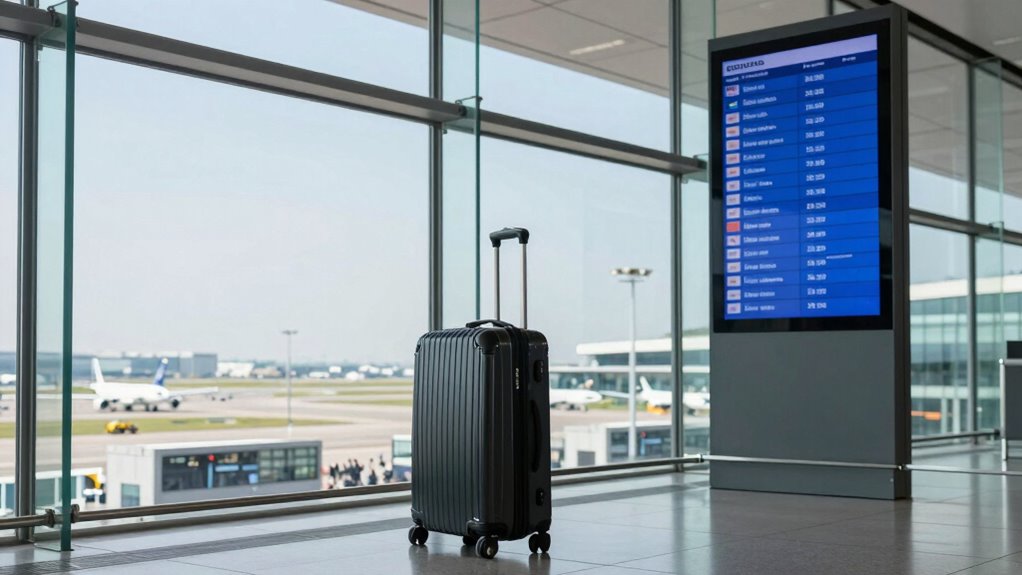

Sharing your travel plans and location updates online can expose your routines and make your property a target for burglars or cybercriminals. Posting in real-time signals when you’re away and unprotected, especially on insecure Wi-Fi networks or social media, increases your vulnerability. Malicious actors can piece together your schedule and exploit your digital footprints. Stay aware of these risks, and discover more ways to protect yourself with smarter online habits.

Get the latest gadgets delivered free with Prime
- Fast, free delivery on millions of items
- Prime Video, Amazon Music and more included
- Member-only deals all year
Key Takeaways
- Sharing real-time travel updates on social media reveals your location and unoccupied home, increasing security risks.
- Using insecure public Wi-Fi networks during travel can expose personal data to hackers.
- Granting travel apps access to location and personal information can lead to data misuse and privacy breaches.
- Frequent digital footprints from checking emails or hotel Wi-Fi can help malicious actors track routines.
- Over-sharing plans or arrival details online can provide outsiders with opportunities for targeted theft or scams.
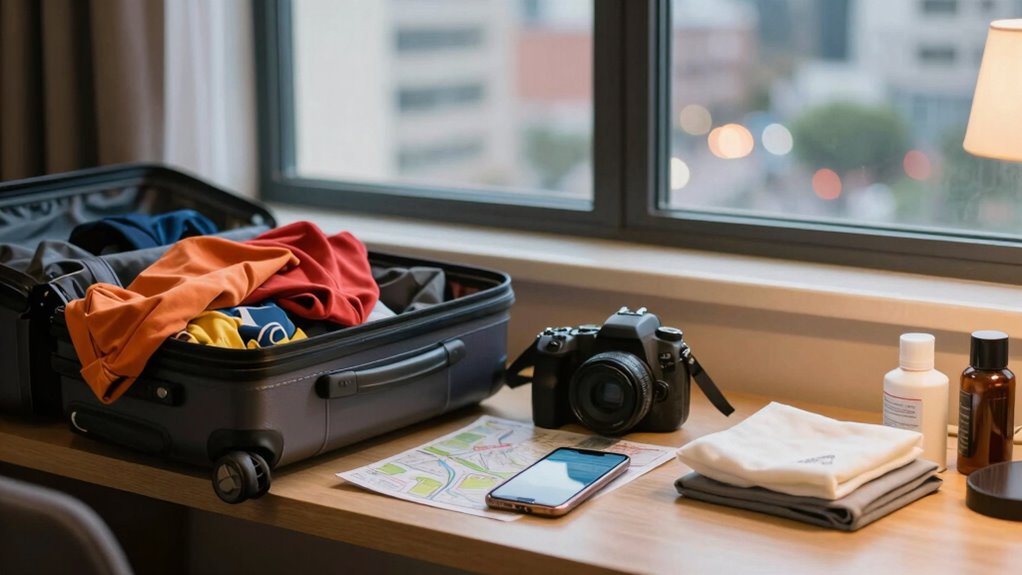
When you travel regularly, it’s easy to underestimate how much your routines and habits can be exposed through your online activity. Every time you check in on social media, use a hotel Wi-Fi, or even log into your email, you leave digital footprints that can reveal your patterns and whereabouts. These details might seem harmless, but they also open the door to security vulnerabilities. Cybercriminals and malicious actors constantly scan for personal information that’s too easy to access, and your travel-related activities can unintentionally provide them with data they can exploit. For instance, posting about your trip in real-time can signal that your home is unoccupied, making it an attractive target for burglars. Similarly, connecting to insecure networks at airports or hotels increases the risk of data breaches, exposing your passwords, banking info, or other sensitive details.
Your online activity during travel raises significant privacy concerns. When you share too much about your plans or location, you give away insights that can be used against you. Even seemingly innocent updates about your arrival times or the places you’re visiting can be pieced together by someone with ill intent. This constant sharing can compromise your safety and privacy, especially if you’re not mindful of what you post. Moreover, many travel-related apps and services request access to your location and personal data, often without clear explanations of how that information will be used or stored. Such practices can lead to misuse of your data, further eroding your privacy.
Sharing too much about your travel plans can compromise your safety and privacy.
It’s not just about what you share but also about how your online activity makes you vulnerable. Hackers can exploit security vulnerabilities within your devices or the networks you connect to, gaining access to your personal information or even installing malware. Public Wi-Fi hotspots, common during travel, are particularly risky because they often lack proper security measures. If you’re not using a virtual private network (VPN), your data can be intercepted with ease. This exposure can lead to identity theft, financial fraud, or unauthorized access to your accounts. Being aware of security risks associated with your online activity while traveling is crucial to safeguarding your personal information. Additionally, understanding how digital footprints can be tracked and used against you can help you take proactive steps to protect your privacy. Furthermore, being mindful of device security practices, such as updating your software and using strong, unique passwords, adds an extra layer of protection during your travels. Recognizing the importance of online privacy can help prevent unintentional leaks of sensitive data and keep your travels secure.
As an affiliate, we earn on qualifying purchases.
Frequently Asked Questions
How Can Travelers Protect Their Privacy While Sharing Travel Updates?
To protect your privacy while sharing travel updates, focus on maintaining travel anonymity by limiting personal details in your posts. Avoid revealing your exact location or routine, and consider using privacy settings on social media platforms. Be mindful of your digital footprint—think twice before sharing too much information that could be traced back to you. This way, you enjoy sharing your adventures without exposing your routines or compromising your privacy.
What Are Common Mistakes That Reveal Too Much Personal Information Online?
You often reveal too much personal data online by oversharing details about your location, daily routines, or travel plans. Posting real-time updates can expand your digital footprint and make you vulnerable. Be cautious about sharing specific dates, accommodations, or activities. Always think twice before posting personal information, and consider your privacy settings. Protecting your personal data helps minimize the risk of unwanted attention or potential security threats.
How Does Travel Oversight Impact Personal Safety and Security?
Travel oversight can turn your personal safety into a nightmare, with personal data leaks and location tracking exposing your every move. Imagine strangers knowing exactly when you’re away or how long you’ll be gone, making you an easy target for theft or worse. Constant oversight increases vulnerability, risking your security and privacy. Stay vigilant—limit what you share online and turn off location services when not needed to stay safe.
Can Social Media Activity During Travel Lead to Theft or Scams?
Yes, your social media activity during travel can lead to theft or scams. When you share location sharing details or provide real-time updates, you reveal your whereabouts, making it easier for criminals to target you. Scammers may exploit this information to plan thefts or fraudulent schemes. To stay safe, limit sharing your location and avoid posting real-time updates until you’re back home.
What Steps Can Travelers Take to Minimize Routine Exposure?
To minimize routine exposure, you should adjust your travel habits by limiting what you share online and keeping detailed plans private. Set clear privacy boundaries on social media, avoiding real-time updates about your location or routines. Use secure Wi-Fi networks, enable two-factor authentication, and avoid posting when you’re away. These steps help protect your privacy and prevent potential theft or scams stemming from overexposed travel routines.
As an affiliate, we earn on qualifying purchases.
Conclusion
As you share your journey online, your routine becomes an open book, revealing details you’d rather keep hidden. Like footprints in wet sand, your digital trail can be erased or uncovered, exposing more than intended. While travel promises adventure, it also leaves behind a delicate map of your habits. Stay aware, guard your privacy, and don’t let your routine’s footprints lead strangers straight to your door. Sometimes, silence is the safest travel companion.
As an affiliate, we earn on qualifying purchases.
As an affiliate, we earn on qualifying purchases.
Fall Picks
fall essentials
As an affiliate, we earn on qualifying purchases.